Series Overview
Get Price & Quote / Official Website
Need factory pricing, barrel selection, or delivery time?
Purchase Decision Snapshot
- Recommended for: Small and medium mills that need better batch rhythm than the 300 series.
- Recommended process: Hot pressing for peanut, sesame, rapeseed, soybean, and tea seed.
- Material focus: Peanut, sesame, rapeseed, soybean, and tea seed projects.
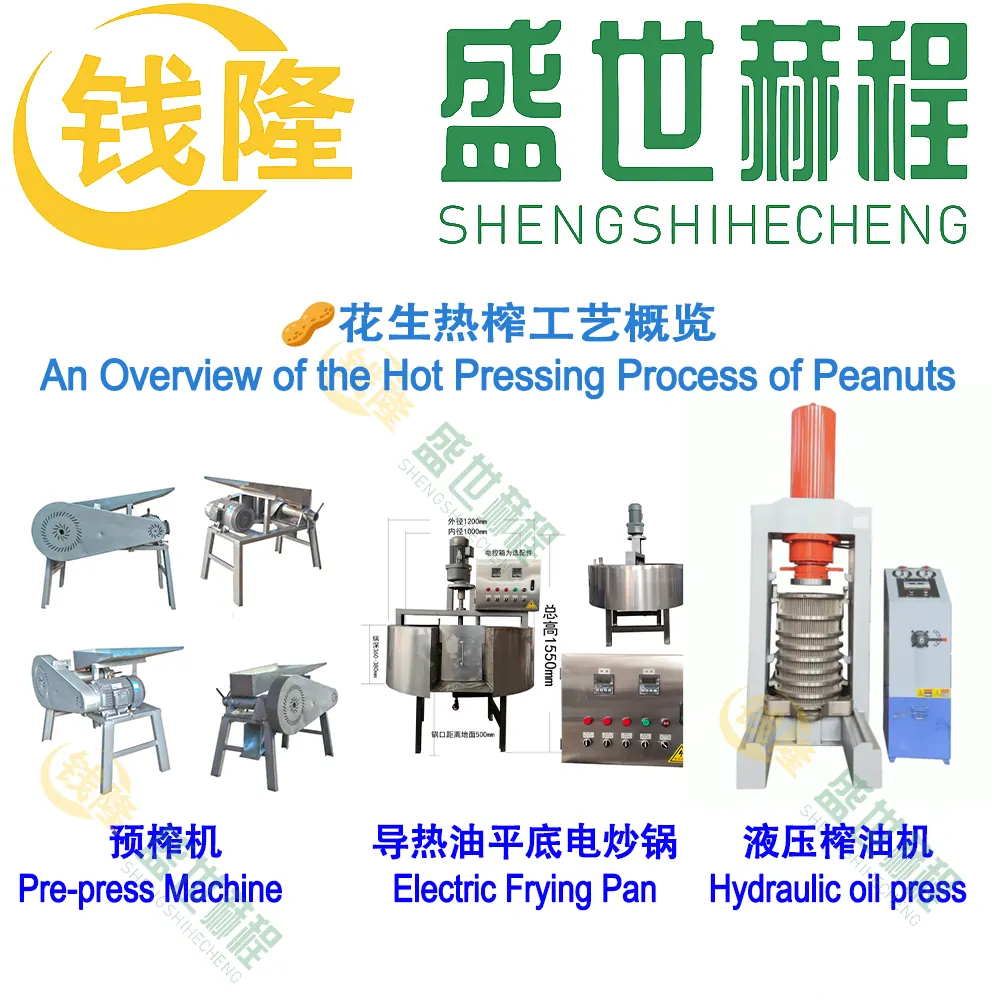
- Process route: Cleaning -> crushing/flaking -> roasting or conditioning -> hydraulic pressing -> filtration.
- Quote usually includes: Machine model, barrel configuration, electrical cabinet, packing, lead time, and after-sales guidance.
Recommended Line Configuration
- Pre-treatment: Oilseed pre-treatment equipment
- Conditioning/Roasting: Feeding crushing frying integrated machine
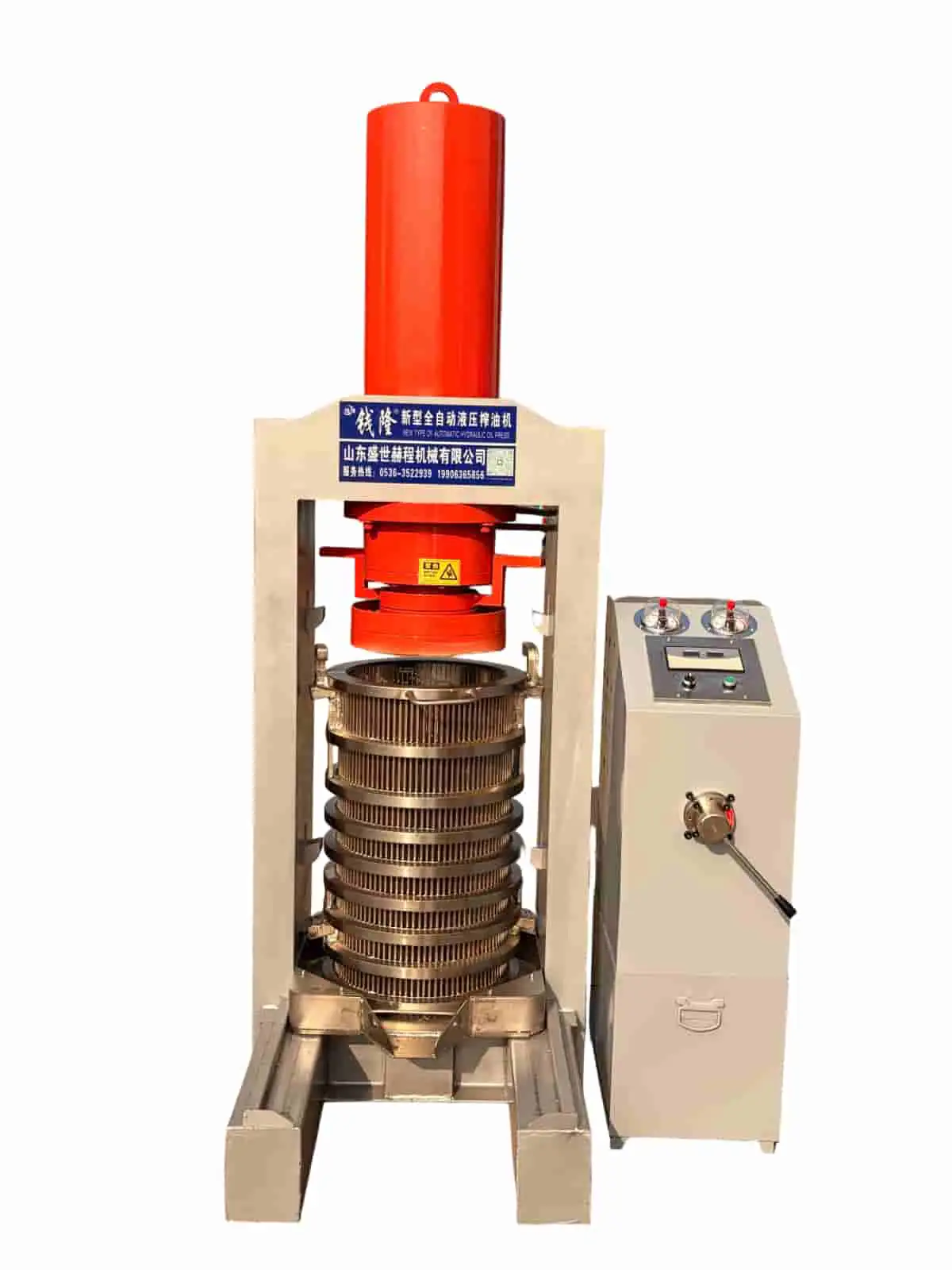
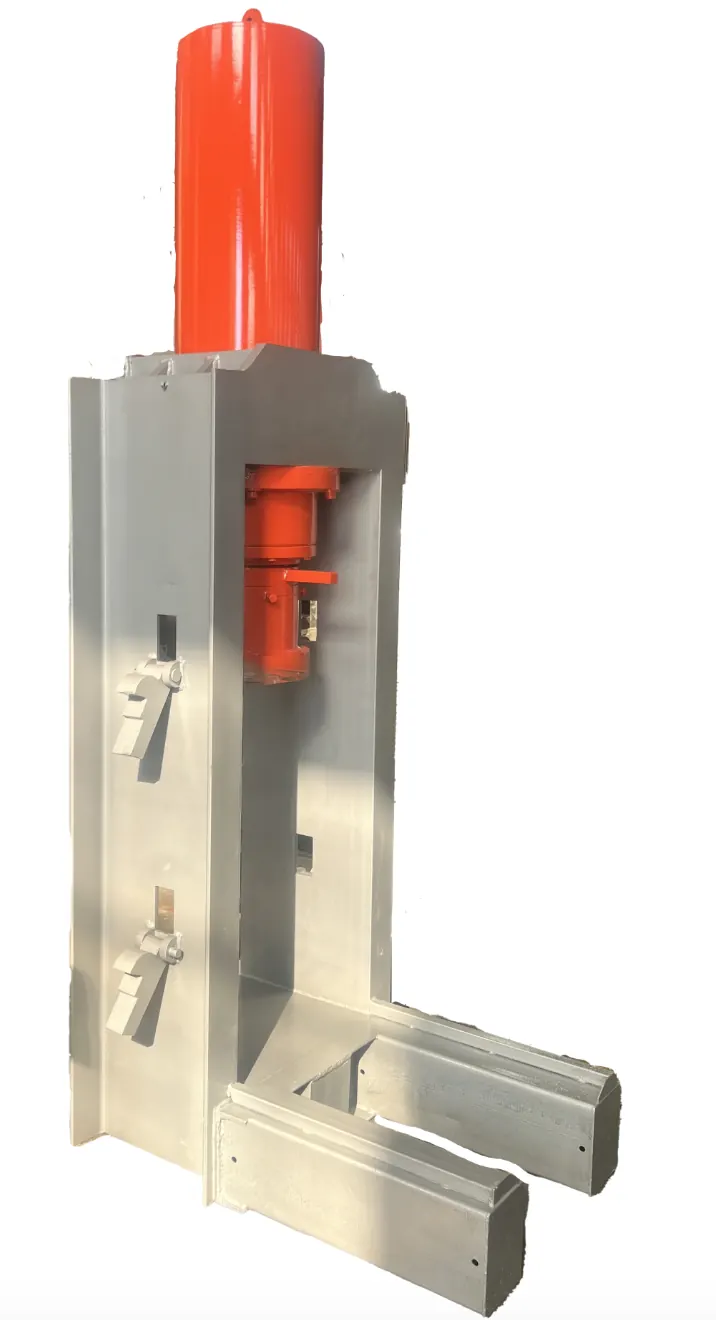
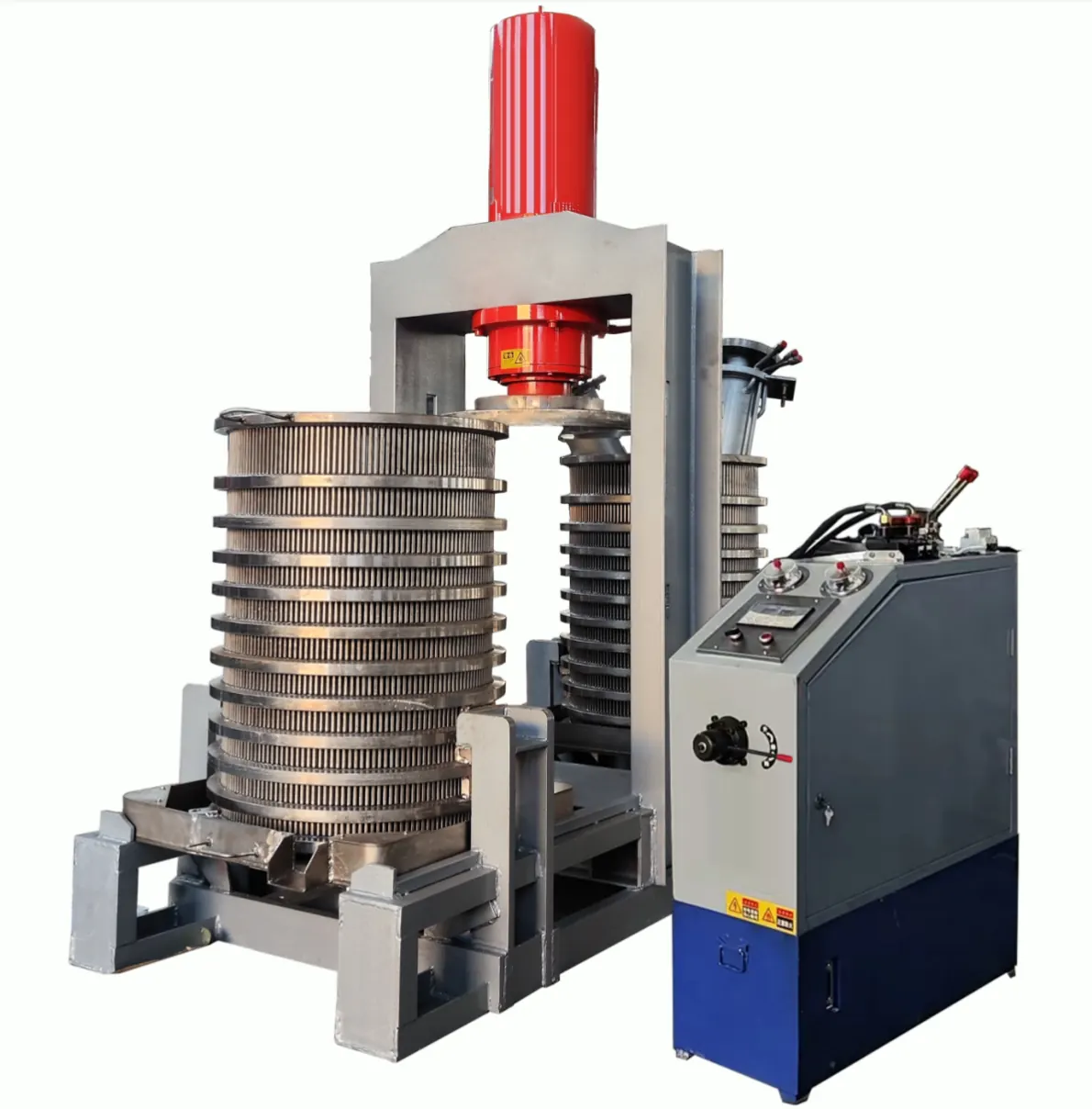
- Pressing host: 325 hydraulic oil press
- Filtration: Pneumatic filter press
- Refining/Filling: Edible oil refining equipment / Filling solutions
Factory Quote & After-Sales
- Reference solutions: Peanut oil solution, Sesame oil solution, Tea seed oil solution
- Factory-direct supply supports standalone machine purchase or full-line procurement.
- Video inspection, export packing, commissioning guidance, and remote after-sales support are available.
- Choose 325 when you need more throughput without a large footprint increase.
- Get Price & Quote
Product Parameters
325 Model Hydraulic Oil Press Parameter Table
325 Model Hydraulic Oil Press —— Consolidated Parameter Table
Instructions
- Total Pressing Force: 325 tons
- Stroke 850 mm → Minimum single pressing amount: 5 kg
- Stroke 700 mm → Minimum single pressing amount: 40 kg
- System pressure uniformly marked as 60 MPa
- Equipment weight uses original range, in tons (t):1.4ton
325AC —— Single Barrel Type
| Barrel Diameter (mm) | Height (mm) | Volume (L) | Stroke (mm) | Minimum Single Pressing Amount (kg) | Main Dimensions W×L×H (mm) | System Pressure (MPa) | Cake Surface Pressure (MPa/cm²) | Equipment Weight (t) |
|---|---|---|---|---|---|---|---|---|
| 300 | 800 | 57 | 850 | 5 | 720×1050×2450 | 60 | 46 | 1.3–1.4 |
| 390 | 800 | 96 | 850 | 5 | 800×1100×2450 | 60 | 27 | 1.3–1.4 |
| 480 | 800 | 145 | 850 | 5 | 900×1300×2450 | 60 | 18 | 1.3–1.4 |
| 560 | 800 | 197 | 850 | 5 | 1000×1400×2450 | 60 | 13 | 1.4–1.5 |
| 630 | 800 | 249 | 850 | 5 | 1100×1600×2450 | 60 | 10 | 1.4–1.5 |
| 300 | 800 | 57 | 700 | 40 | 720×1050×2450 | 60 | 46 | 1.3–1.4 |
| 390 | 800 | 96 | 700 | 40 | 800×1100×2450 | 60 | 27 | 1.3–1.4 |
| 480 | 800 | 145 | 700 | 40 | 900×1300×2450 | 60 | 18 | 1.3–1.4 |
| 560 | 800 | 197 | 700 | 40 | 1000×1400×2450 | 60 | 13 | 1.4–1.5 |
| 630 | 800 | 249 | 700 | 40 | 1100×1600×2450 | 60 | 10 | 1.4–1.5 |
325BC —— Dual Barrel Type (Two identical barrels, total volume = single barrel × 2)
| Barrel Diameter (mm) | Height (mm) | Total Volume (L) | Stroke (mm) | Minimum Single Pressing Amount (kg) | Main Dimensions W×L×H (mm) | System Pressure (MPa) | Cake Surface Pressure (MPa/cm²) | Equipment Weight (t) |
|---|---|---|---|---|---|---|---|---|
| 300 | 800 | 114 | 850 | 5 | 720×1090×2450 | 60 | 46 | 1.7–1.8 |
| 390 | 800 | 192 | 850 | 5 | 800×1140×2450 | 60 | 27 | 1.7–1.8 |
| 480 | 800 | 290 | 850 | 5 | 900×1340×2450 | 60 | 18 | 1.7–1.8 |
| 560 | 800 | 394 | 850 | 5 | 1000×1440×2450 | 60 | 13 | 1.8–1.9 |
| 630 | 800 | 498 | 850 | 5 | 1100×1640×2450 | 60 | 10 | 1.8–1.9 |
| 300 | 800 | 114 | 700 | 40 | 720×1090×2450 | 60 | 46 | 1.7–1.8 |
| 390 | 800 | 192 | 700 | 40 | 800×1140×2450 | 60 | 27 | 1.7–1.8 |
| 480 | 800 | 290 | 700 | 40 | 900×1340×2450 | 60 | 18 | 1.7–1.8 |
| 560 | 800 | 394 | 700 | 40 | 1000×1440×2450 | 60 | 13 | 1.8–1.9 |
| 630 | 800 | 498 | 700 | 40 | 1100×1640×2450 | 60 | 10 | 1.8–1.9 |
325AS —— Large-Small Mother-Son Barrel Type (Large barrel + small barrel, total volume = sum of both)
| Large Barrel Diameter (mm) | Small Barrel Diameter (mm) | Height (mm) | Total Volume (L) | Stroke (mm) | Minimum Single Pressing Amount (kg) | Main Dimensions W×L×H (mm) | System Pressure (MPa) | Large/Small Barrel Cake Surface Pressure (MPa/cm²) | Equipment Weight (t) |
|---|---|---|---|---|---|---|---|---|---|
| 390 | 300 | 785 | 149.0 | 850 | 5 | 800×1140×2450 | 60 | 27 / 46 | 1.7–1.8 |
| 390 | 300 | 785 | 149.0 | 700 | 40 | 800×1140×2450 | 60 | 27 / 46 | 1.7–1.8 |
Reference Table for Oil Yield Rates of Various Raw Materials
(Based on 100 kg of raw material)
| Serial No. | Material | Process | Oil Yield (kg) | Percentage (%) |
|---|---|---|---|---|
| 1 | Peanut | Hot Pressing | 42–52 | 42%–52% |
| 2 | Sesame | Hot Pressing | 42–52 | 42%–52% |
| 3 | Tea Seed | Hot Pressing | 15–35 | 15%–35% |
| 4 | Walnut | Cold Pressing | 56–72 | 56%–72% |
| 5 | Soybean | Hot Pressing | 12–18 | 12%–18% |
| 6 | Soybean | Cold Pressing | 12–18 | 12%–18% |
| 7 | Flax / Flaxseed | Hot Pressing | 35–40 | 35%–40% |
| 8 | Flax / Flaxseed | Cold Pressing | 35–40 | 35%–40% |
| 9 | Rapeseed | Hot Pressing | 30–40 | 30%–40% |
| 10 | Rapeseed | Cold Pressing | 30–40 | 30%–40% |
| 11 | Sunflower Seed | Hot Pressing | 45–60 | 45%–60% |
| 12 | Oil Sludge | Hot Pressing | 20–60 | 20%–60% |
| 13 | Oil Sludge | Cold Pressing | 20–60 | 20%–60% |
| 16 | Meal Residue | Hot Pressing | 30–50 | 30%–50% |
| 18 | Waste Clay | Hot Pressing | 8–60 | 8%–60% |
| 19 | Waste Clay | Cold Pressing | 8–60 | 8%–60% |
| 20 | Animal Oil Residue | Hot Pressing | 40–60 | 40%–60% |
| 21 | Animal Oil Residue | Cold Pressing | 40–60 | 40%–60% |
| 22 | Medicinal Residue | Cold Pressing | Weight Loss 70% | Weight Loss 70% |
| 26 | Perilla Seed | Hot Pressing | 30–40 | 30%–40% |
| 27 | Perilla Seed | Cold Pressing | 30–40 | 30%–40% |
| 28 | Coconut Pulp | Cold Pressing | 30–40 | 30%–40% |
| 29 | Palm Fruit | Hot Pressing | Approx. 40 (Estimated) | Approx. 40% (Estimated) |
| 30 | Almond / Apricot Kernel | Cold Pressing | 50–70 | 50%–70% |
| 31 | Hazelnut | Cold Pressing | 50–70 | 50%–70% |
| 32 | Cashew Shell | Hot Pressing | 20–30 | 20%–30% |
| 33 | Cashew Kernel | Cold Pressing | 40–50 | 40%–50% |
| 34 | Grape Seed | Hot Pressing | 10–15 | 10%–15% |
| 35 | Pumpkin Seed | Cold Pressing | 50–70 | 50%–70% |
| 36 | Peach Kernel | Cold Pressing | 50–70 | 50%–70% |
| 38 | Glutinous Rice | Cold Pressing | 20–30 | 20%–30% |
| 39 | Millet Germ | Cold Pressing | 40–50 | 40%–50% |
| 40 | Wheat Germ | Cold Pressing | 40–50 | 40%–50% |
| 41 | Corn Germ | Hot Pressing | 30–45 | 30%–45% |
| 42 | Castor Seed | Hot Pressing | 40–60 | 40%–60% |
Note: The above data are reference values from laboratory or actual production. Different regions' raw material oil content, moisture content, processing temperature, and equipment model factors may cause actual oil yield to vary. Data is for reference only, actual results should be based on actual production.
Pressing Barrel Selection Guide:
- Standard barrel specifications:
- Diameter: 390mm
- Length: 800mm
- Volume: 95.6 liters (can hold about 100kg of crushed material, continuously compacted)
- Can press all oil materials
- 325mm diameter is recommended as sesame-specific barrel
- Suitable for sesame and other small particle oil materials
- Improve oil yield and efficiency
- Volume: 56 liters
- 480mm /560mm /630mm diameter is recommended for oil materials requiring long pressing time
- Suitable for oil materials requiring long pressing time
- Further improve oil yield and efficiency
- Volume: 145/197/249 liters
- Optional 2100 mm length dual barrel model available, mainstream model is 1200 mm length single barrel model
Pressing Material Guide:
- Partial oil material pressing process guidance as follows:
- Peanut (Recommended 325AC-390)
- Peanut oil (rich aroma type) hot pressing process: Crush peanuts -> roast the peanut granules in a flat-bottom wok -> feed them into the hydraulic oil press barrel for pressing.
- Peanut oil pressed using this process has rich aroma, golden transparency, good taste, pressed oil does not require hydration treatment, no foaming when cooking.
- Basically no filtration treatment needed, settling and bottling directly. COFCO Group high-end peanut oil uses pressing process (crushing, roasting, pressing, filtering equipment provided by our factory).

- Sesame (Recommended 325AC-390)
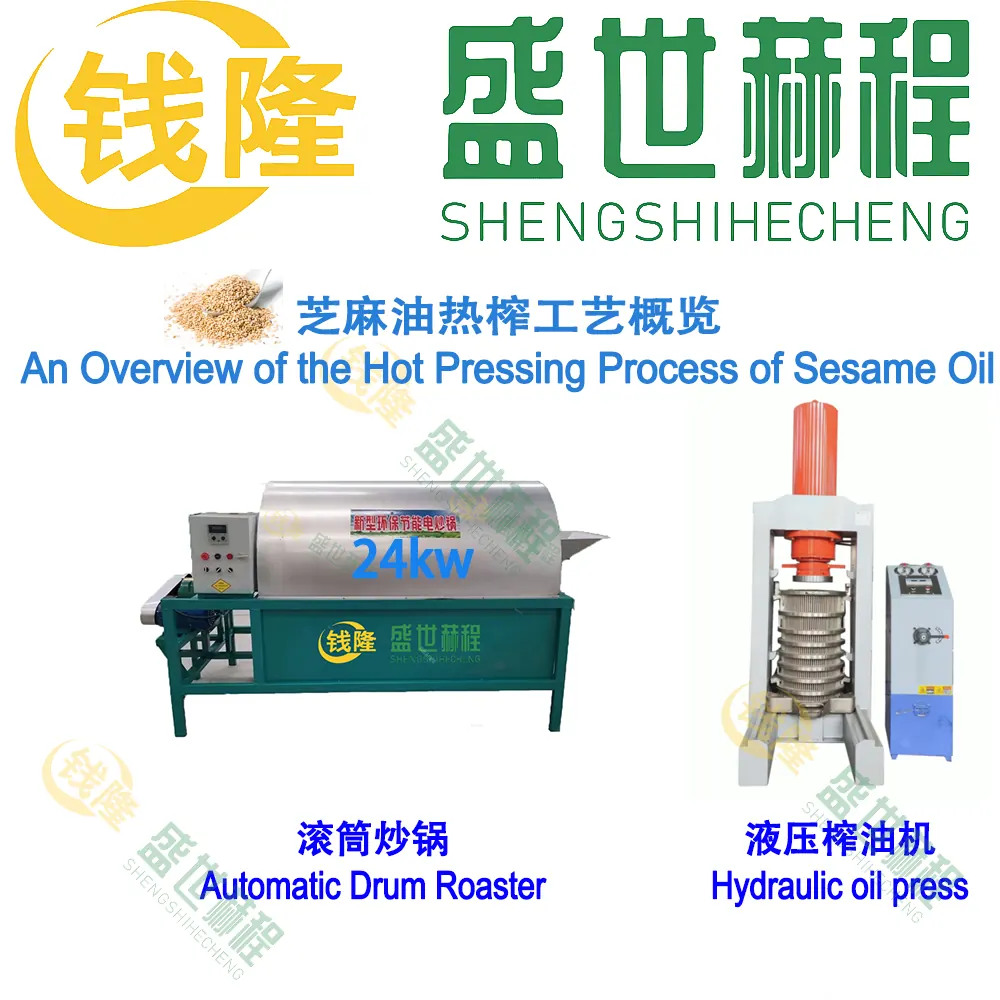
- Sesame oil hot pressing process: Drum roaster roast sesame - Direct barrel pressing. Sesame oil pressed using this process has rich aroma, sweet aftertaste, pressed oil does not require hydration treatment, no foaming when cooking.
- Basically no filtration treatment needed, settling and bottling directly.

- Tea seed (Recommended 325AC-390)
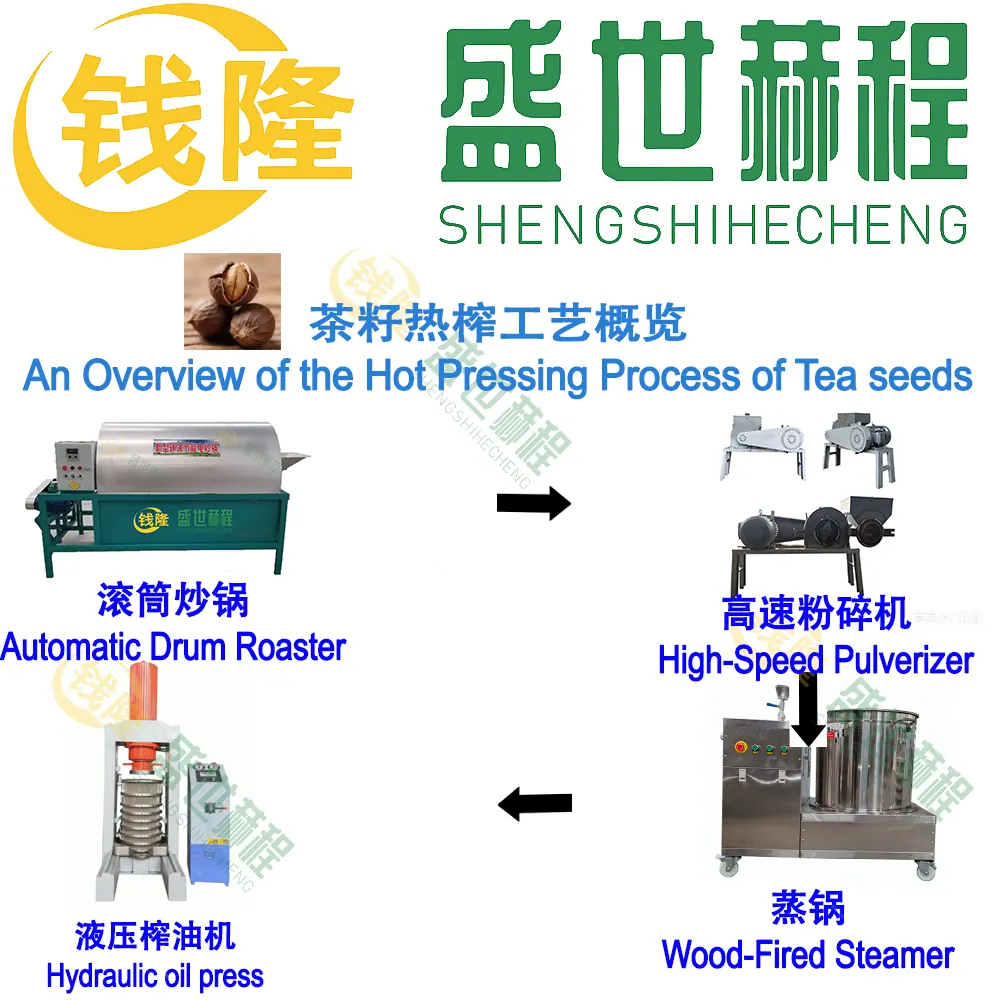
- Tea seed oil hot pressing process: Tea seeds go through screening, cleaning, drying, crushing, steaming and stir-frying, then connected to hydraulic oil press barrel pressing.
- Tea seed oil pressed using this process has clear color, pure aroma, and rich nutrition.

- Walnut (Recommended 325AC-390)
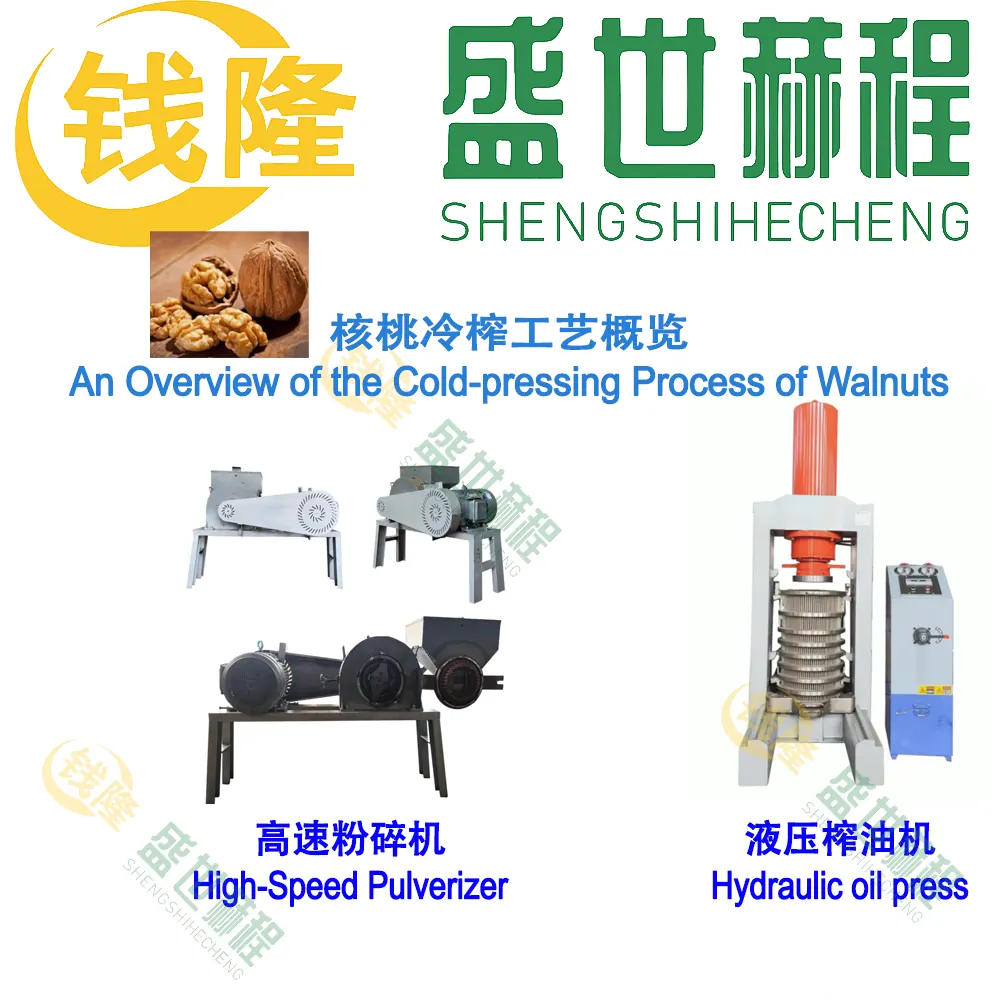
- Cold pressing process: Walnuts go through screening, cleaning, high-speed crushing, then directly into hydraulic oil press barrel pressing.
- Walnut oil pressed using this process has golden color, sweet aftertaste, pressed oil does not require hydration treatment, no foaming when cooking.

- Soybean (Recommended 300AC-390/325AC-390/350AC-390/400AC-390)
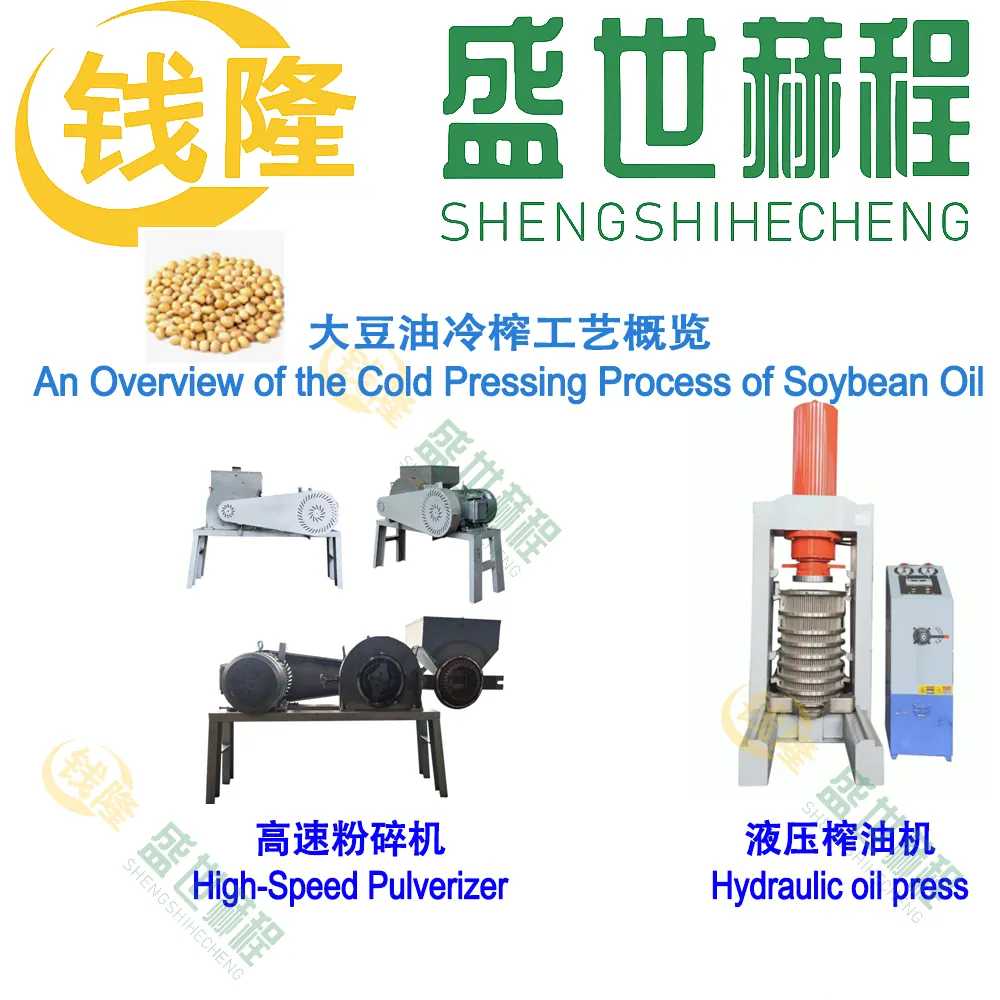
- Cold pressing process: High-speed crushing of soybeans followed by pressing

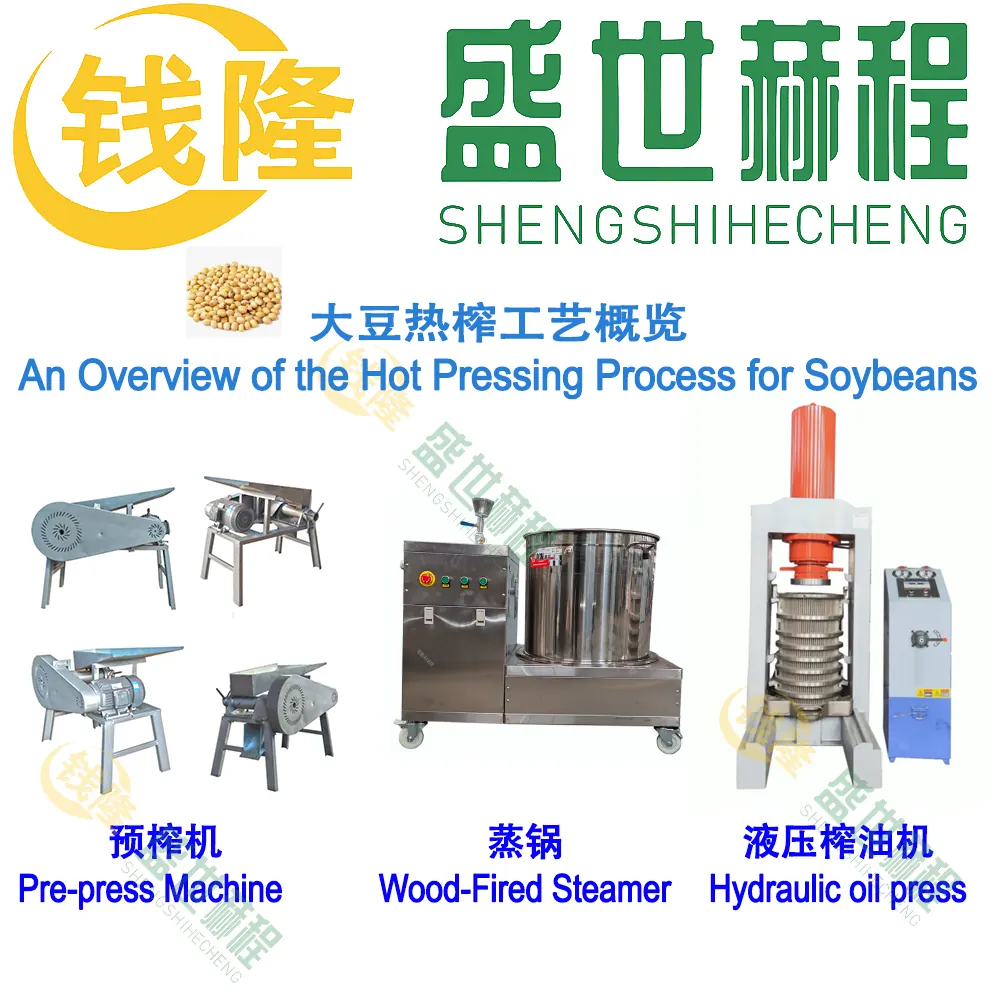
- Hot pressing process: Soybeans ground into embryo state (crushed) - steamed - pressed

- Flax/Flaxseed (Recommended 325AC-390)
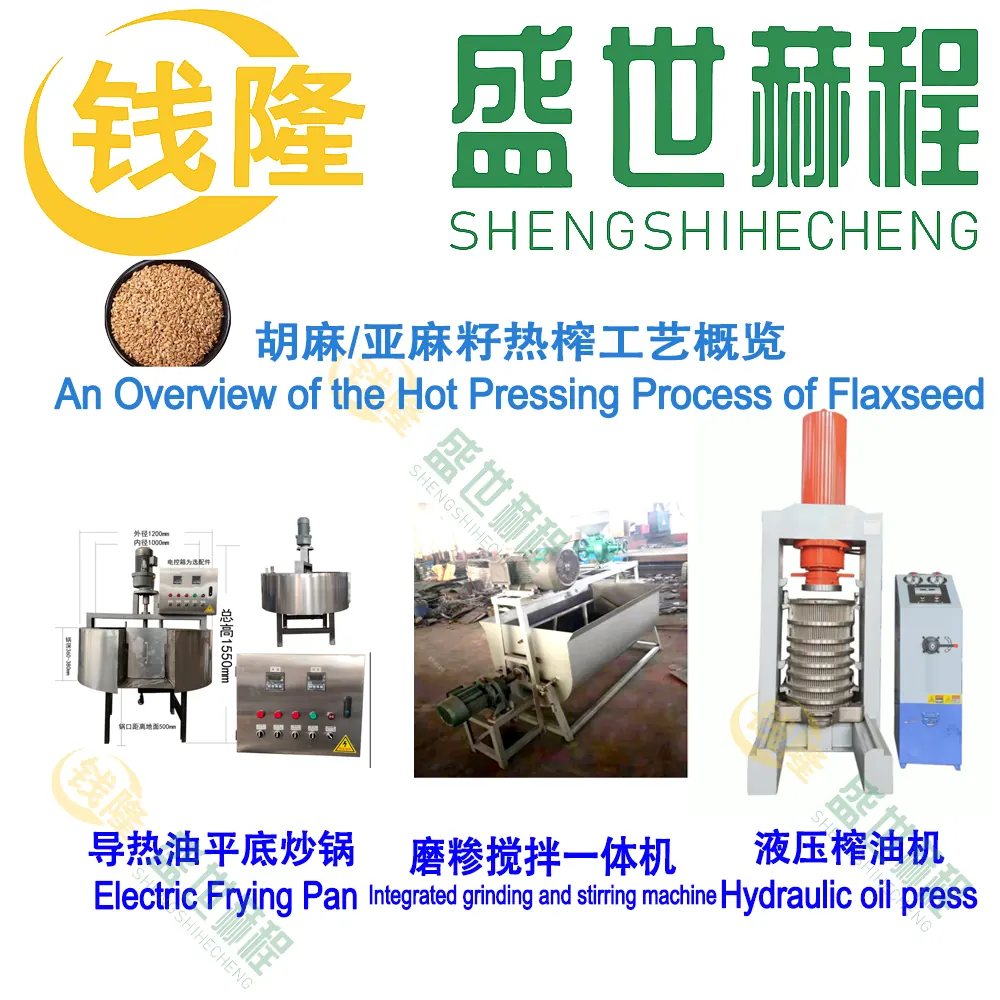
- Flax/Flaxseed hot pressing process: Flax seeds go through heating and stir-frying + grinding and stir-frying, then placed into hydraulic oil press barrel pressing.

- Flaxseed oil hot pressing process: Flax seeds go through high-speed crusher crushing, then placed into hydraulic oil press barrel pressing. Sweet aftertaste, sweet flavor, pressed oil does not require hydration treatment, no foaming when cooking.

- Rapeseed (Recommended 325AC-390)
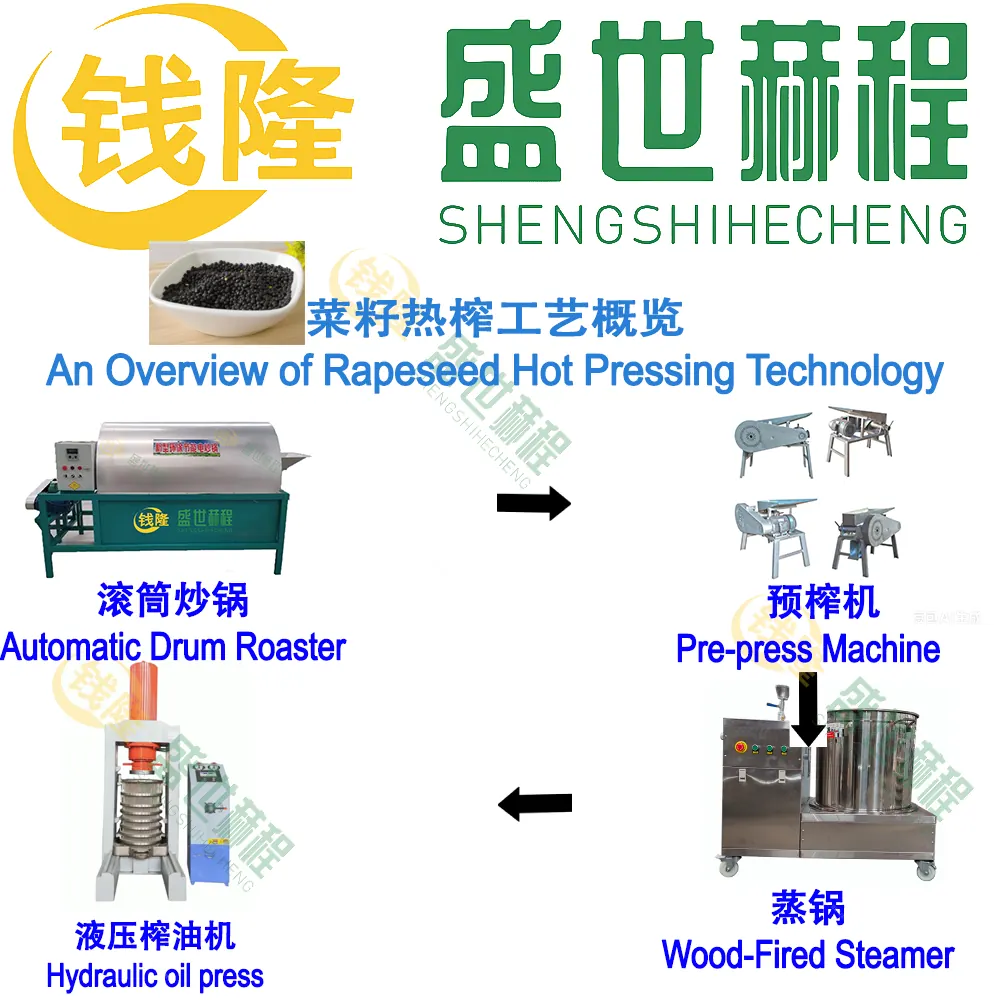
- Rapeseed oil hot pressing process: Rapeseeds go through cleaning, crushing, stir-frying and steaming processes, then placed into hydraulic oil press barrel pressing.
- Rapeseed oil pressed using this process has high oil yield, golden color, and fragrant taste.

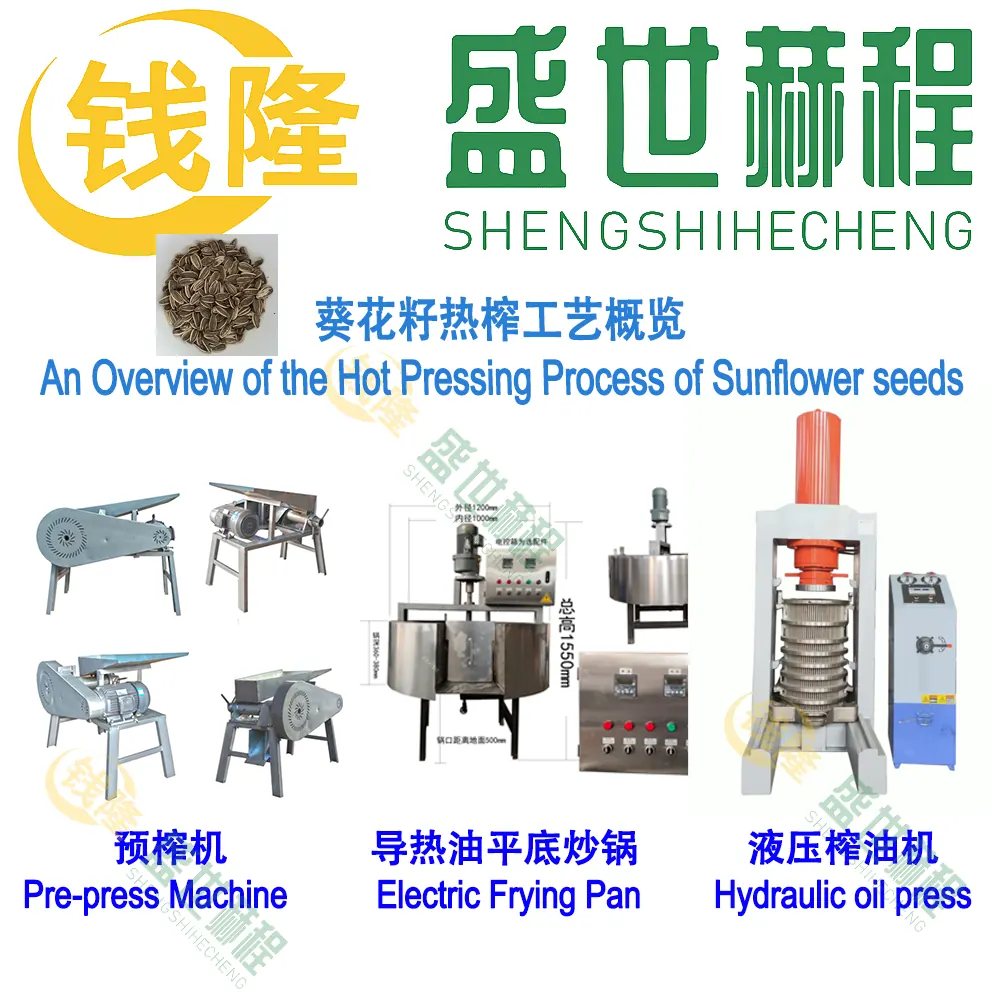
- Sunflower seed (Recommended 325AC-390) + Sunflower seed oil hot pressing process: Sunflower seeds go through cleaning, crushing, and stir-frying processes, then placed into hydraulic oil press barrel pressing.

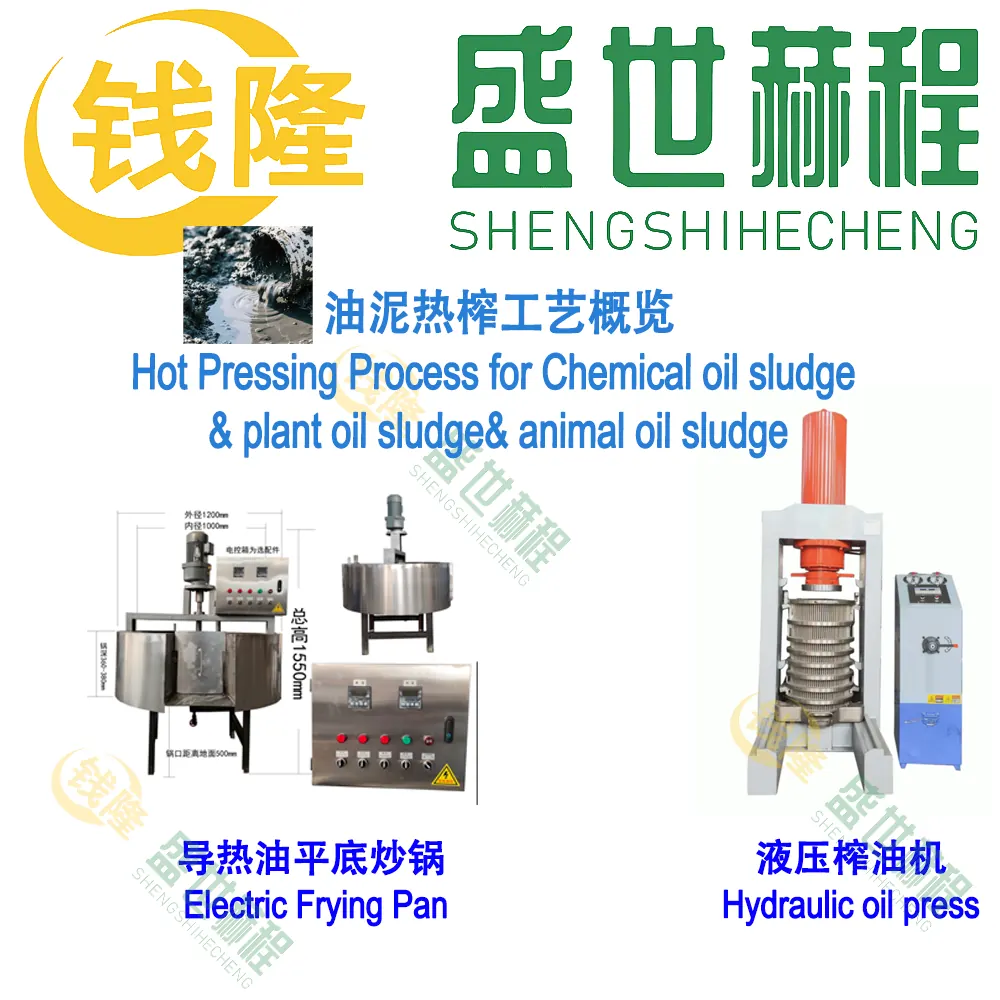
- Oil sludge (Recommended 325AC-390)
- Oil sludge hot pressing process: Oil sludge goes through high-temperature stir-frying process, then placed into hydraulic oil press barrel pressing.

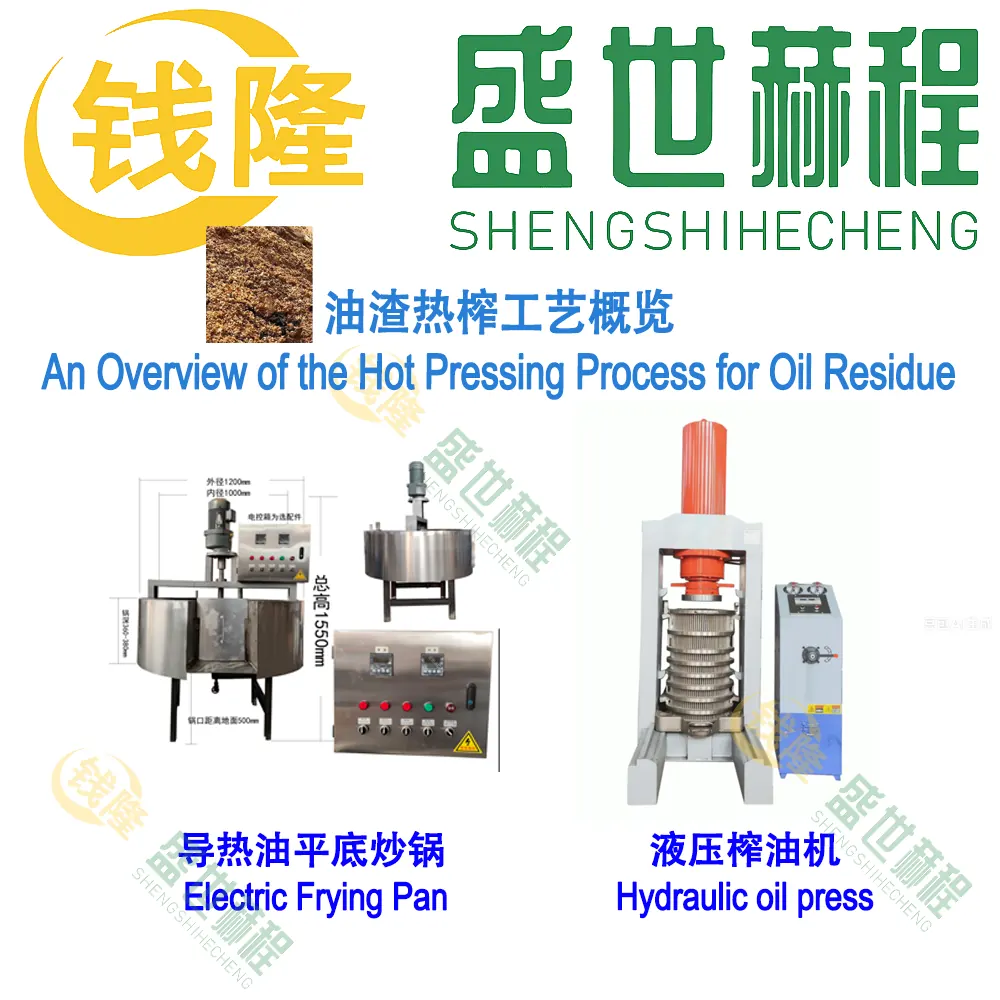
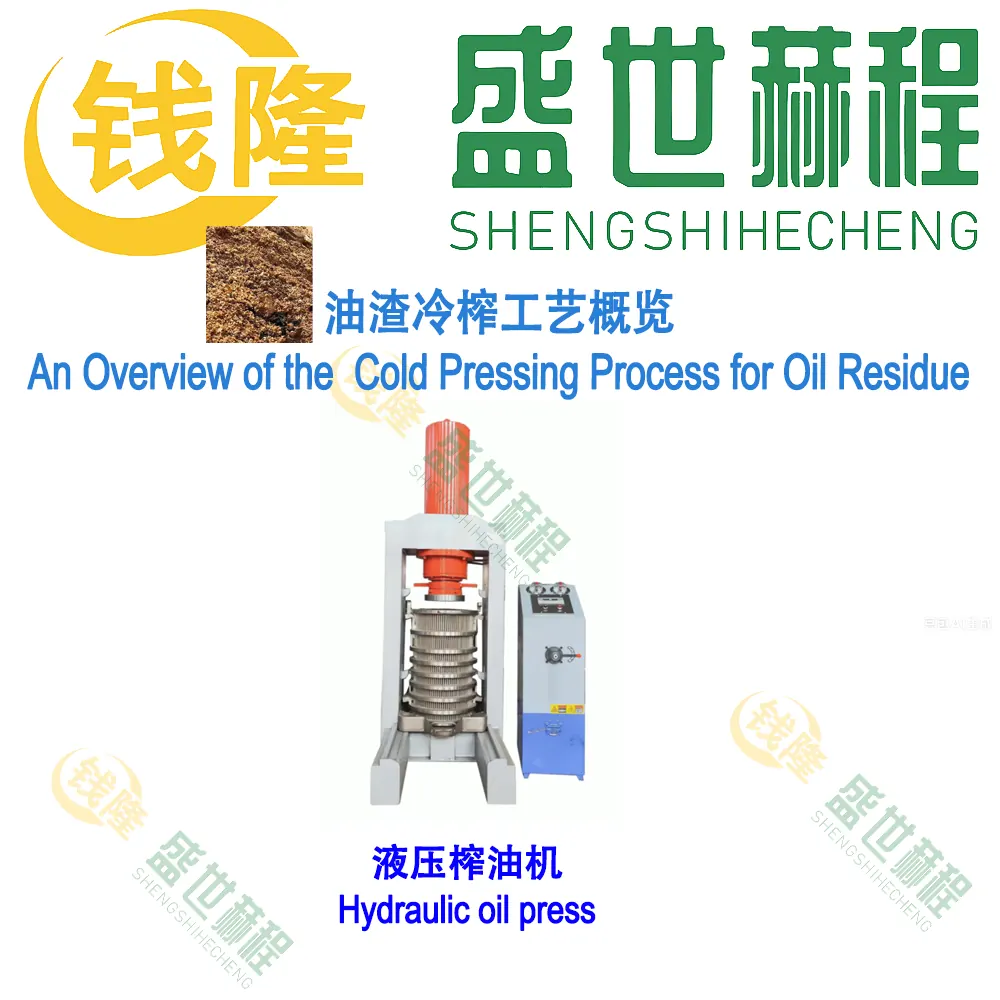
- Oil residue (Recommended 325AC-390)
- Oil residue hot pressing process: Oil residue goes through high-temperature stir-frying process, then placed into hydraulic oil press barrel pressing.

- Oil residue cold/hot pressing process: Directly placed into hydraulic oil press barrel pressing.

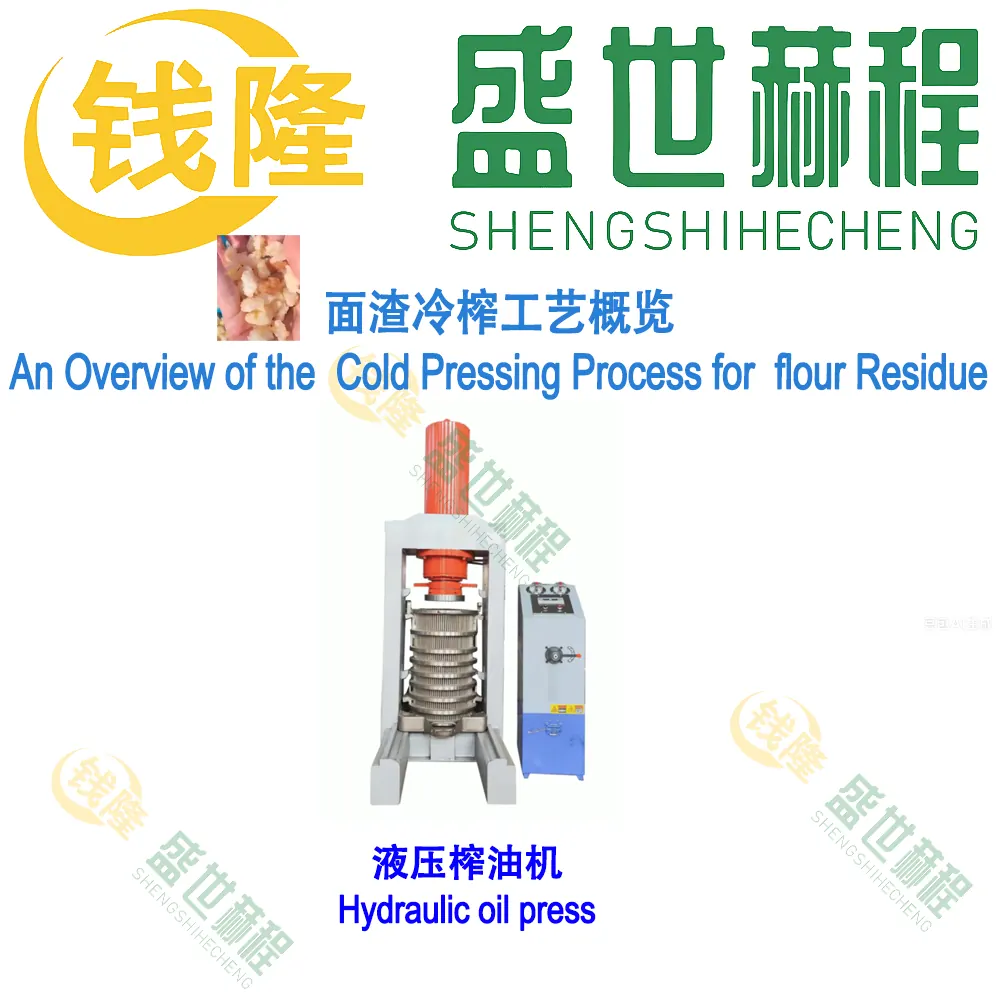
- Meal residue (Recommended 325AC-390)
- Meal residue hot pressing process: Meal residue goes through high-temperature stir-frying process, then placed into hydraulic oil press barrel pressing.

- Oil residue cold/hot pressing process: Directly placed into hydraulic oil press barrel pressing.

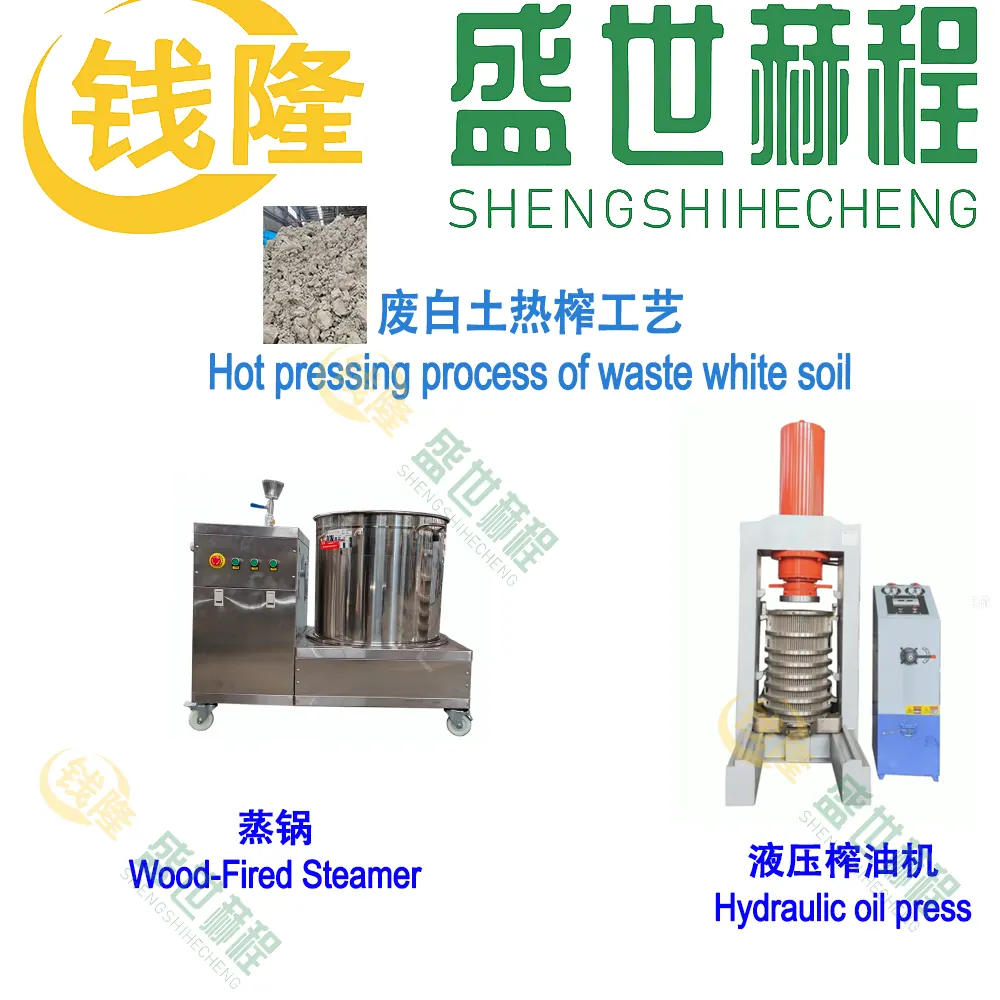
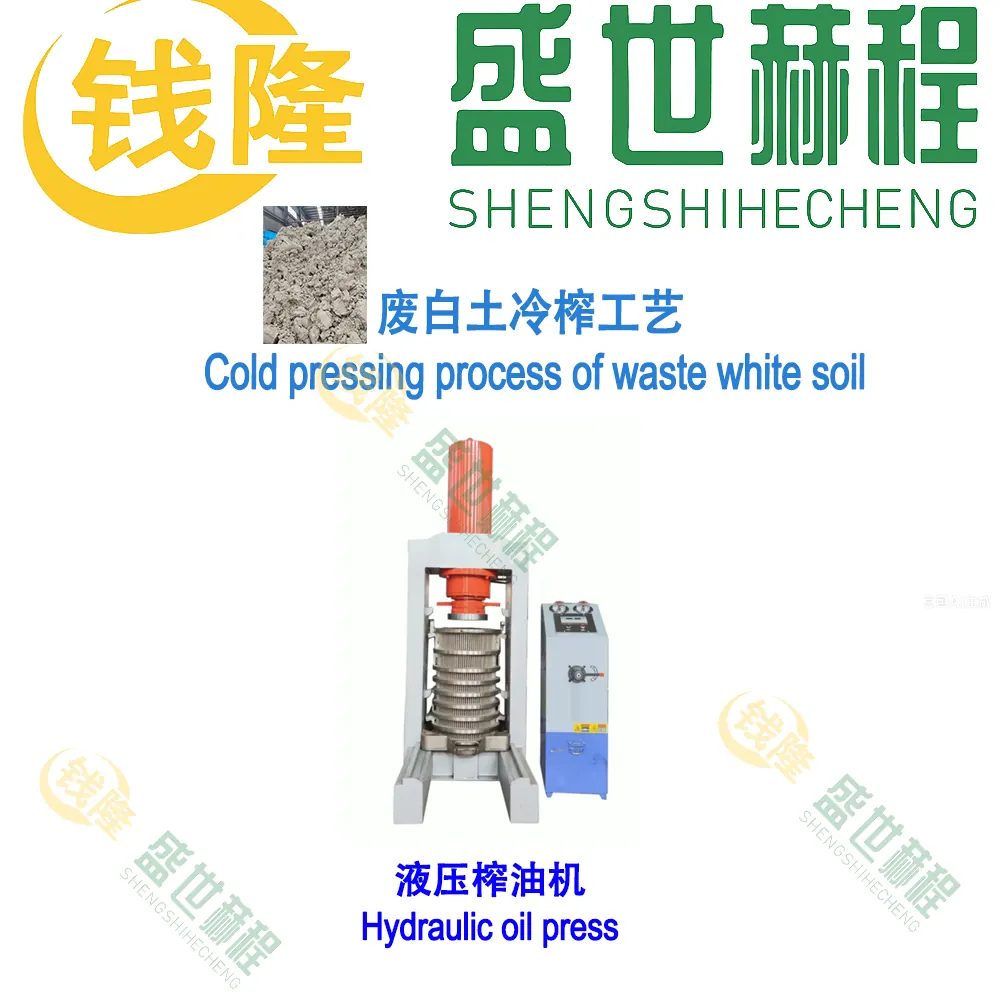
- Waste clay (Recommended 325AC-390)
- Waste clay cold/hot pressing process: High-temperature steaming, then directly placed into hydraulic oil press barrel pressing.

- Waste clay cold pressing process: Directly placed into hydraulic oil press barrel pressing.

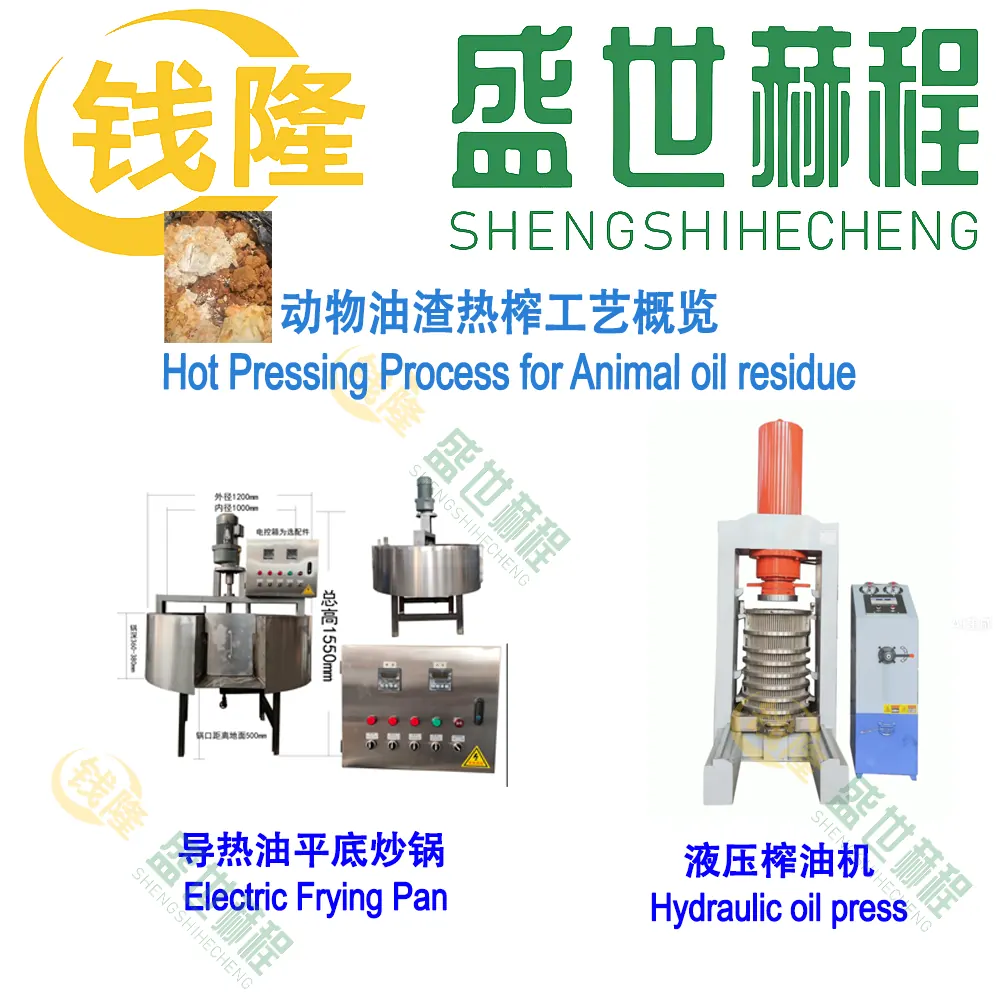
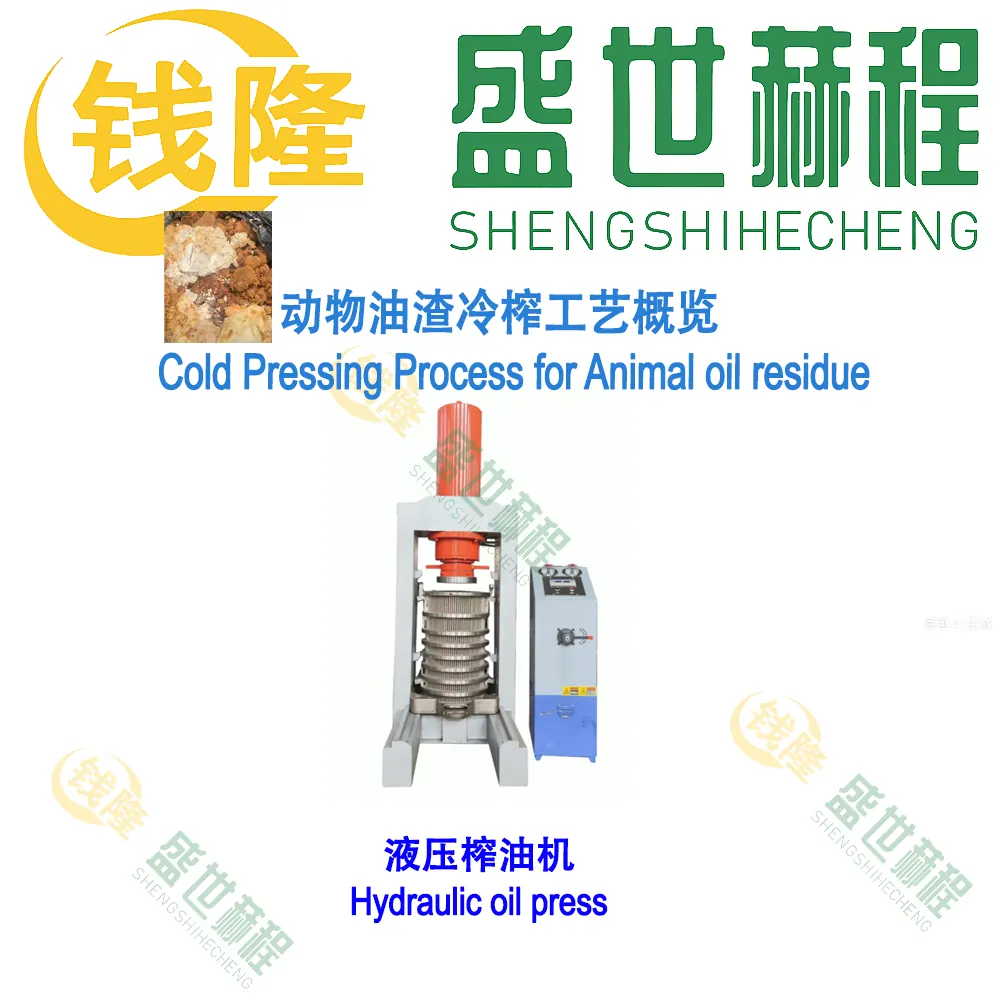
- Animal oil residue (Recommended 325AC-390)
- Animal oil residue hot pressing process: High-temperature stir-frying, then directly placed into hydraulic oil press barrel pressing.

- Animal oil residue cold pressing process: Directly placed into hydraulic oil press barrel pressing.

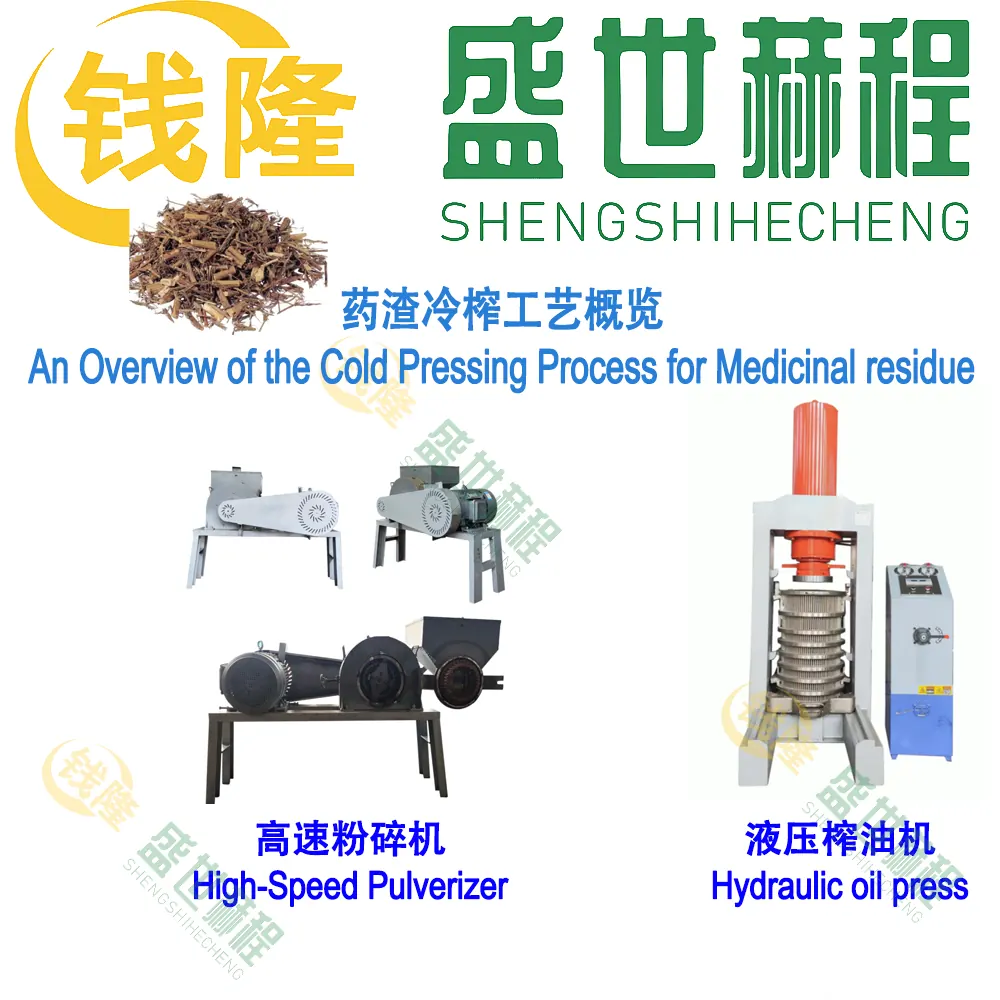
- Medicinal residue (Recommended 325AC-390)
- Peanut (Recommended 325AC-390)
Model Series
325 Model Series
325 Model Coconut Juice Press (Food Grade Stainless Steel)
- Made of 304 food grade stainless steel
- Specially designed for coconut pressing
- Sanitary grade sealing system
- Suitable for beverage processing enterprises
General Technical Parameters
Standard Configuration
- Main machine
- Control system
- Feeding device
- Discharge system
- Basic tool set
Optional Configuration
- Automatic feeding system
- Pre-auxiliary processing equipment
- Post-filtration processing equipment
Core Advantages
Production Efficiency
- High capacity design
- Continuous operation capability
- High automation level
Oil Quality
- Precise pressure control
- Intelligent temperature regulation
- Multi-stage filtration system
Operating Costs
- Energy consumption optimized design
- Low maintenance costs
- Reduced labor requirements
After-sales Service
- Standard one-year warranty
- Lifetime technical support
- Regular maintenance service
- Priority spare parts supply
- Technical training support
Product Features
- High-quality steel materials ensure equipment durability
- Intelligent pressure control system ensures optimal oil yield
- High automation level reduces manual operation
- Simple maintenance, low operating costs
Application Range
- Small oil mills
- Family workshops
- Rural cooperatives
- Demonstration factories
Supporting Services
- Free installation and commissioning
- Operator training
- Lifetime technical support
- Regular maintenance