Plan a complete production line
Match cleaning, crushing, roasting, pressing, filtering and filling equipment.
Open page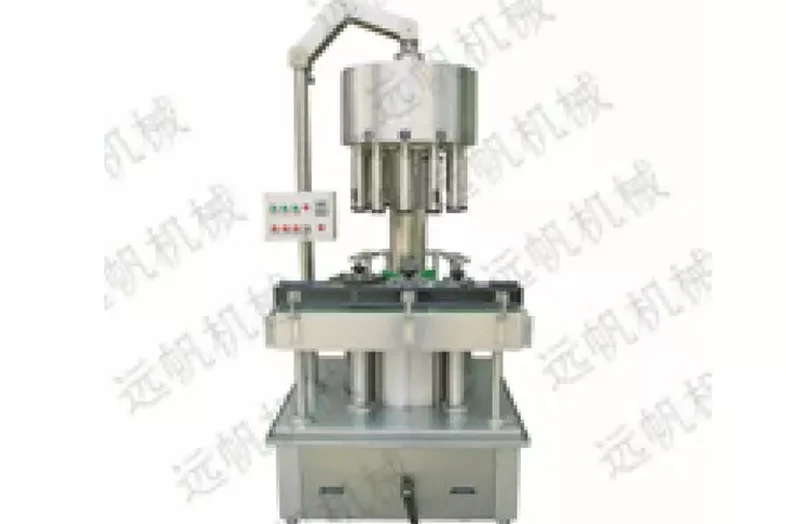
GFP-12B is another 12-head entry in the GFP low-vacuum level-filling range. The current public table lists the same 3,000 bottles/hour reference, 1.12 kW power and 1045 x 1050 x 2200 mm dimensions as GFP-12A. Procurement should therefore compare the offered construction and interfaces, not assume that B means a newer or faster machine.
Low-vacuum constant-level filling meters to a visible level rather than to mass. The published 3,000 bottles/hour figure is a reference condition, not a guaranteed complete-line result.
The table is retained exactly as published. Final compatibility, sustained output and supplied components must be stated in the technical quotation and acceptance protocol.
| Project | Parameters |
|---|---|
| Model | GFP-12B |
| Number of filling heads | 12 |
| Reference output | 3000 bottles/hour |
| Total power | 1.12 kW |
| Dimensions | 1045×1050×2200 mm |
| Filling method | Low vacuum/constant level filling |
| Applicable liquids | Wine, rice wine, soy sauce, vinegar and other easily foaming liquids |
Low-vacuum equipment in this family fills to a level. It needs a hard bottle with a repeatable neck geometry and a liquid that can move under the agreed vacuum condition without carbonation. A product may be foam-prone, but the foam must be evaluated with production samples because temperature, dissolved gas and additives alter the result.
Do not shortlist this model for pulpy or particulate liquids, very thick products, flexible packages, counter-pressure filling or net-weight control without a separate engineering review. Those duties normally call for another filling or measuring arrangement.
The label "12B" does not establish higher output, lower bottle damage or simpler maintenance. Require the offered differences and the test criteria to be written down.
The 12B line concept should show product feed, bottle infeed, discharge height and the closing method on one drawing. If bottles are corked, capped or heat-shrunk after filling, confirm transfer stability before selecting conveyor speed.
Put GFP-12B between named upstream and downstream machines on the general-arrangement drawing. The document should show liquid inlet and return, bottle entry pitch, conveyor elevation, discharge spacing and the chosen corking, capping or shrinking operation. Define ready, blocked, starved and fault exchanges rather than leaving control integration to site improvisation.
Changeover scope should identify each format-specific guide, lift component and setting. Ask how the valves drain, which seals contact product, which parts are removed for sanitation and what cleaning accessories are included in the quoted package.
For a comparable manufacturer quotation, provide all intended liquids and temperatures, foam evidence, bottle drawings and physical samples, target level, closure type, sustained accepted rate, daily hours, batch sequence, upstream filtration, downstream equipment, voltage and utilities, export destination and requested field-service boundary. Ask suppliers to price options separately from the base configuration.
The FAT should include the bottle formats named in the contract and a representative foaming liquid or an agreed substitute. Compare actual results with the written level criterion and do not accept a short dry run as proof of liquid performance.
The FAT must distinguish a wet production trial from a mechanical dry cycle. Name the liquid or approved substitute, bottle quantities, sample frequency, level limits, overflow rule and stop-restart sequence. Record what remains for SAT, who supplies site materials and how open points will be closed.
Compare proposals on equal scope, not on the headline machine price. The contract should itemize controls, safety enclosure, conveyors, format sets, documents, packing, freight terms, installation, commissioning, operator instruction, warranty terms, spare parts and after-sales response. Unlisted services should be treated as excluded.
Need a written 12A versus 12B comparison? Send both bottle and liquid requirements in your GFP-12B quotation request.
Recommended next step
Compare the right capacity, confirm the raw-material process and request a factory configuration before ordering.
Match cleaning, crushing, roasting, pressing, filtering and filling equipment.
Open pageReview preparation and pressing routes for seeds, nuts and specialty materials.
Open pageCompare price, capacity, process, operation and startup requirements.
Open pageSend the material, target output and destination for a matched factory quote.
Request quoteReview additional machine, process and buyer resources on hydraulic-oil-press.com.
Open website