Compare machine models
Check hot-press, cold-press and small-shop models by batch capacity.
Open page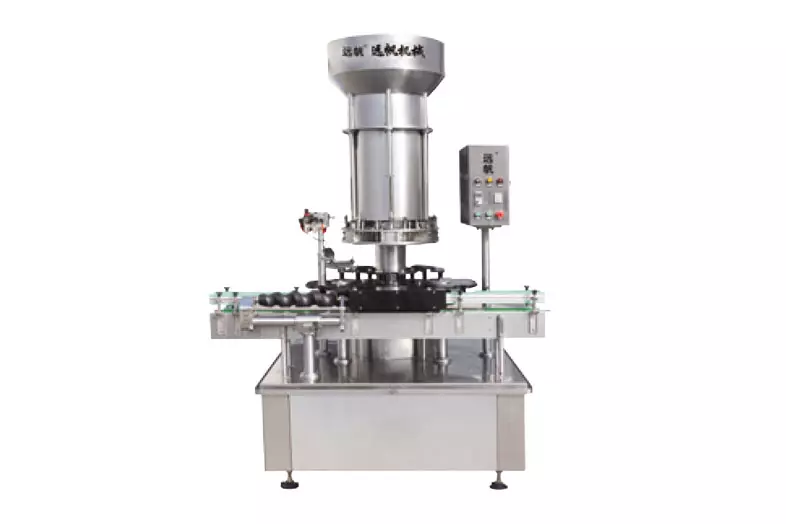
Corking follows filling and creates the primary closure for wine, fruit wine and other products packaged with an approved cork system. Reliable selection depends on the interaction between bottle neck, cork material, cork dimensions and insertion method. The same machine should not be assumed to handle every cork and bottle combination.
Filling -> cork preparation and feeding -> cork insertion -> closure inspection -> capsule shrinking if required -> labeling -> packing
For an integrated project, the corker must be synchronized with the filler and downstream conveyor. For a stand-alone purchase, bottle presentation and operator handling need to be defined separately.
The technical review should cover:
| Model | Procurement focus |
|---|---|
| Automatic corking machine | Automatic bottle flow, cork feeding and line integration |
| Semi-automatic corking machine | Operator cycle, bottle positioning and format flexibility |
| Manual corking machine | Low-complexity operation and operator-controlled loading |
Published model data is available on the linked product pages. The final machine and tooling must be confirmed with approved bottle and cork samples.
Send bottle drawings and samples, cork specification and samples, target output, operating schedule, upstream filler information, downstream capsule or labeling process, utilities, layout and destination. State the required finished insertion condition and the proposed acceptance test.
FAT should verify bottle transfer, cork feeding, insertion consistency, bottle damage, jams, changeover and interlocks using the agreed samples. The quote must state who supplies test consumables, conveyors, installation labor, travel, local lifting, commissioning, operator training and recommended spare parts. Warranty terms and support response follow the signed commercial documents, not an assumed standard package.
Provide the bottle and cork combination to receive the suitable configuration, supply boundary and manufacturer quote.
Recommended next step
Connect pretreatment, pressing, filtration and packaging into one practical production route.
Check hot-press, cold-press and small-shop models by batch capacity.
Open pageMatch cleaning, crushing, roasting, pressing, filtering and filling equipment.
Open pageCompare price, capacity, process, operation and startup requirements.
Open pageSend the material, target output and destination for a matched factory quote.
Request quoteReview additional machine, process and buyer resources on hydraulic-oil-press.com.
Open website