Compare machine models
Check hot-press, cold-press and small-shop models by batch capacity.
Open page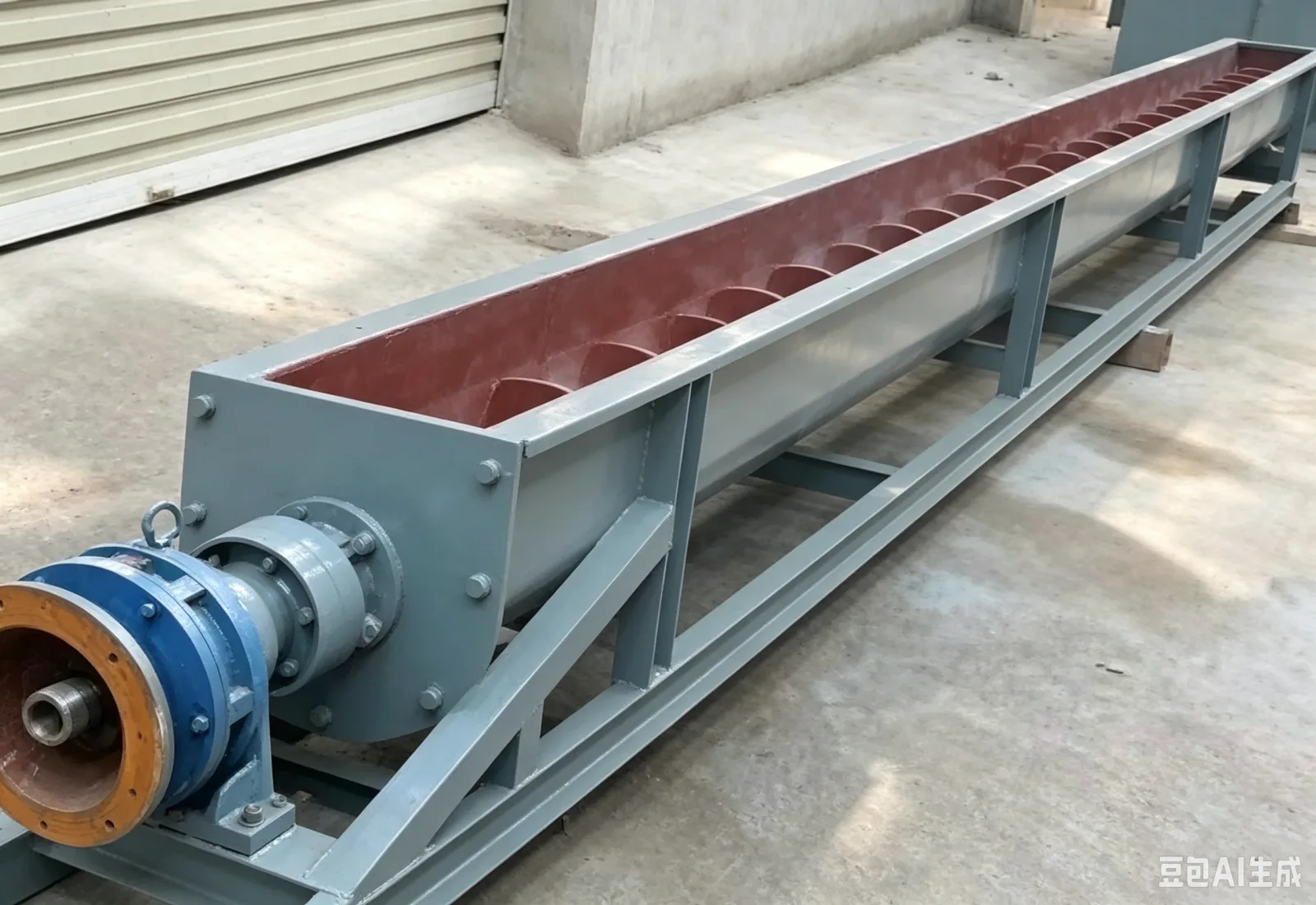 U-trough screw conveyorBin discharge, blending and horizontal transfer
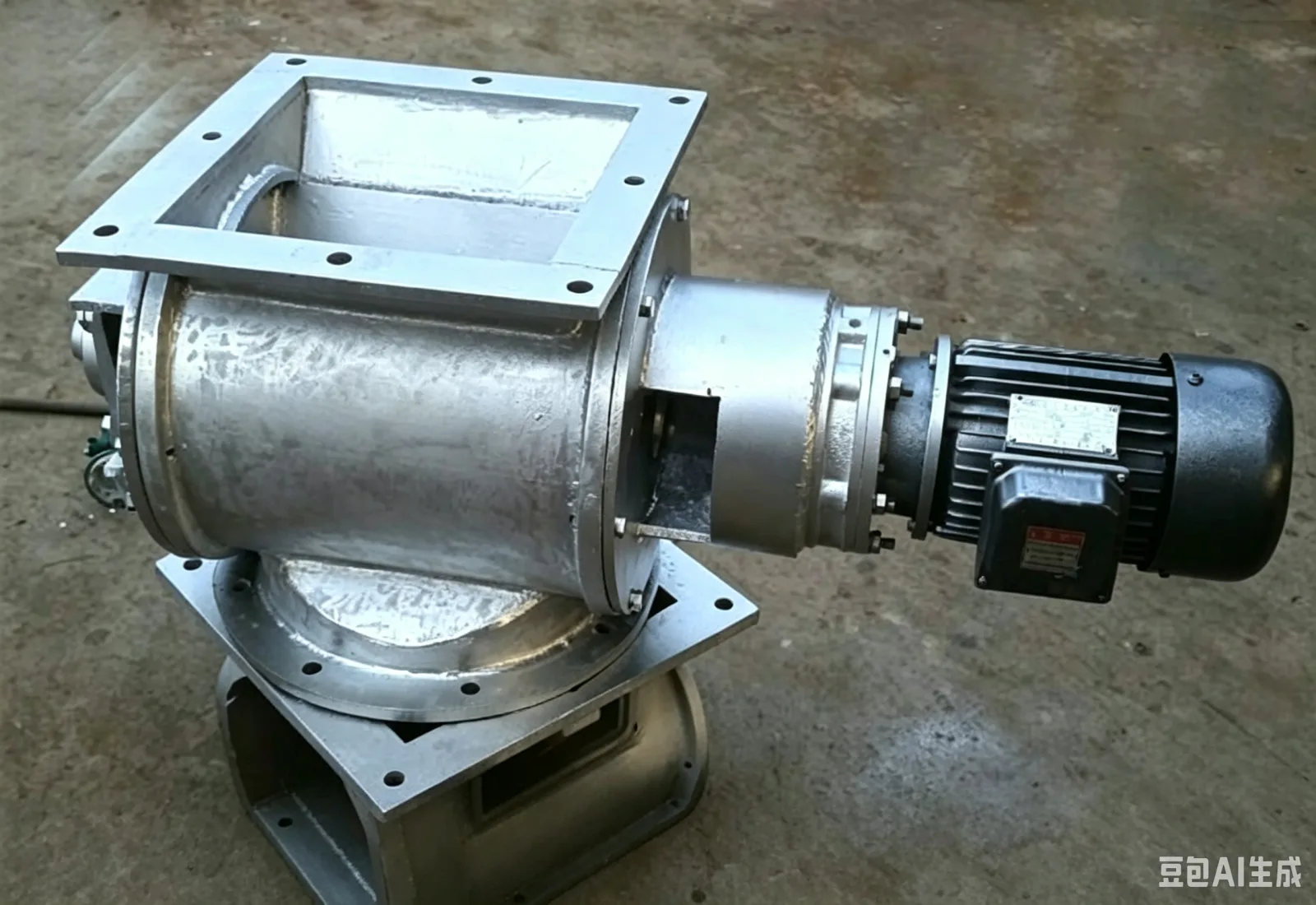 Stainless steel A-type rotary airlockDischarge where specified contact material is required
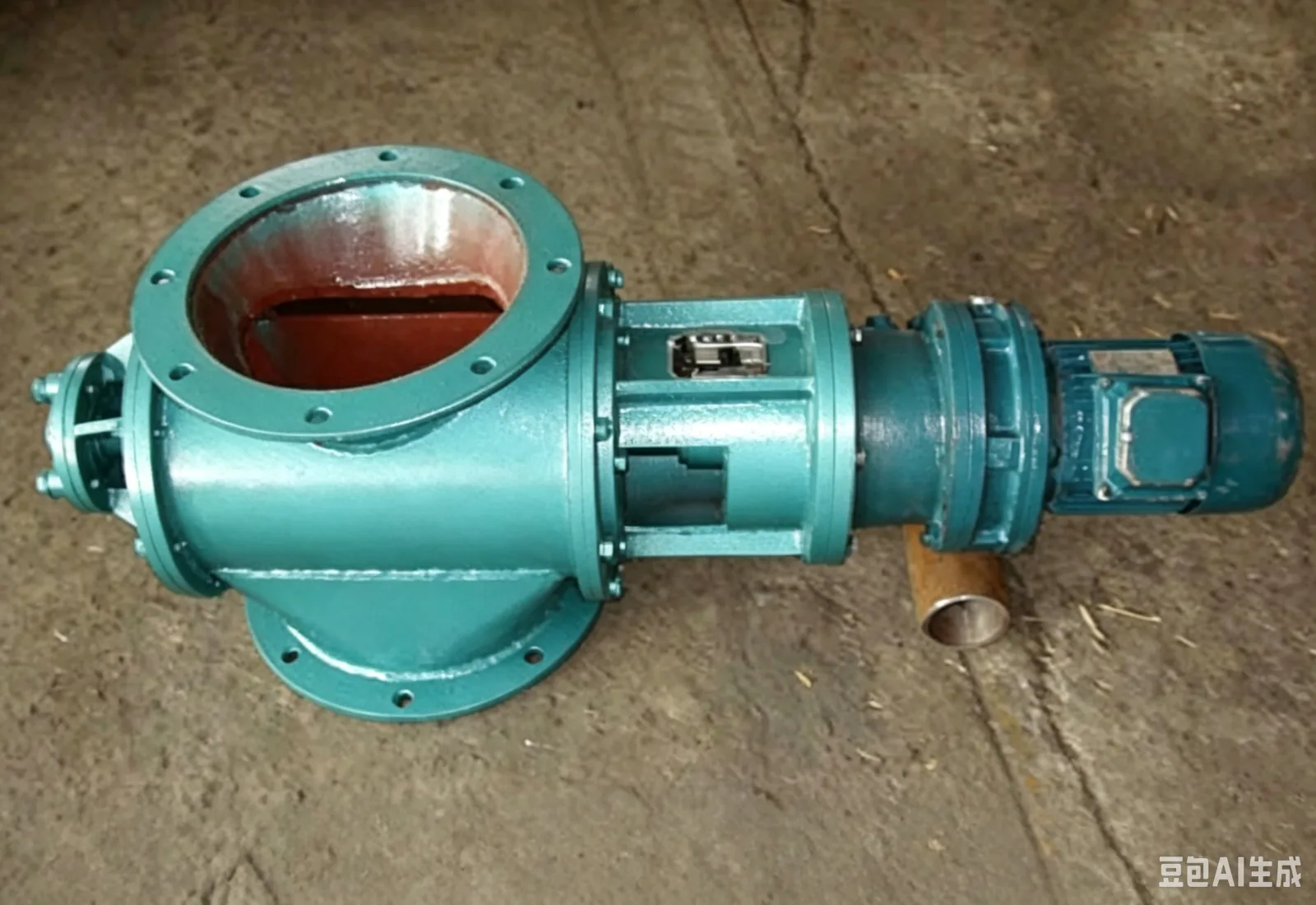 Rigid rotary airlockAirlock duty and continuous metered discharge
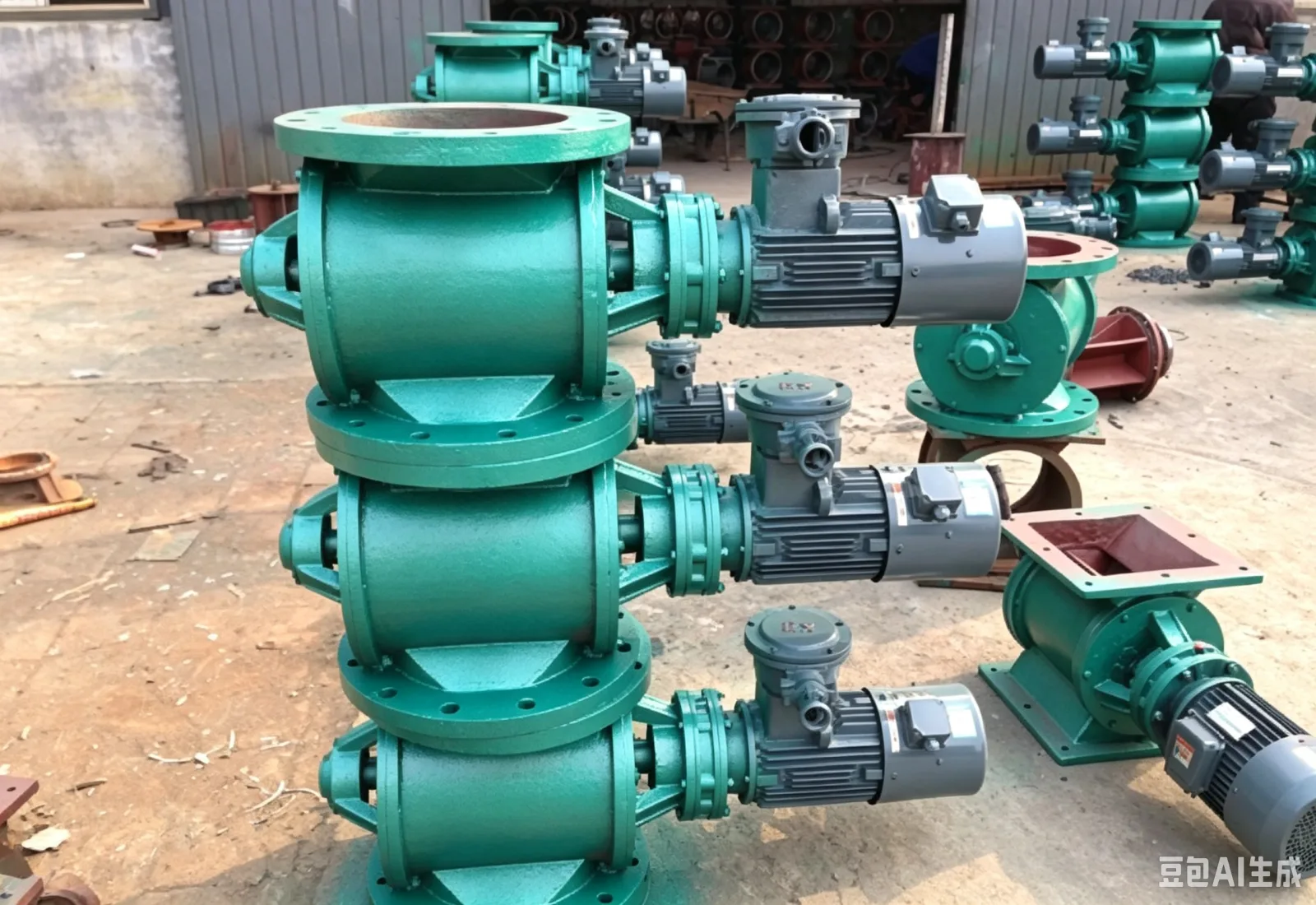 High-temperature explosion-proof rotary airlockHigh-temperature or classified-area discharge points
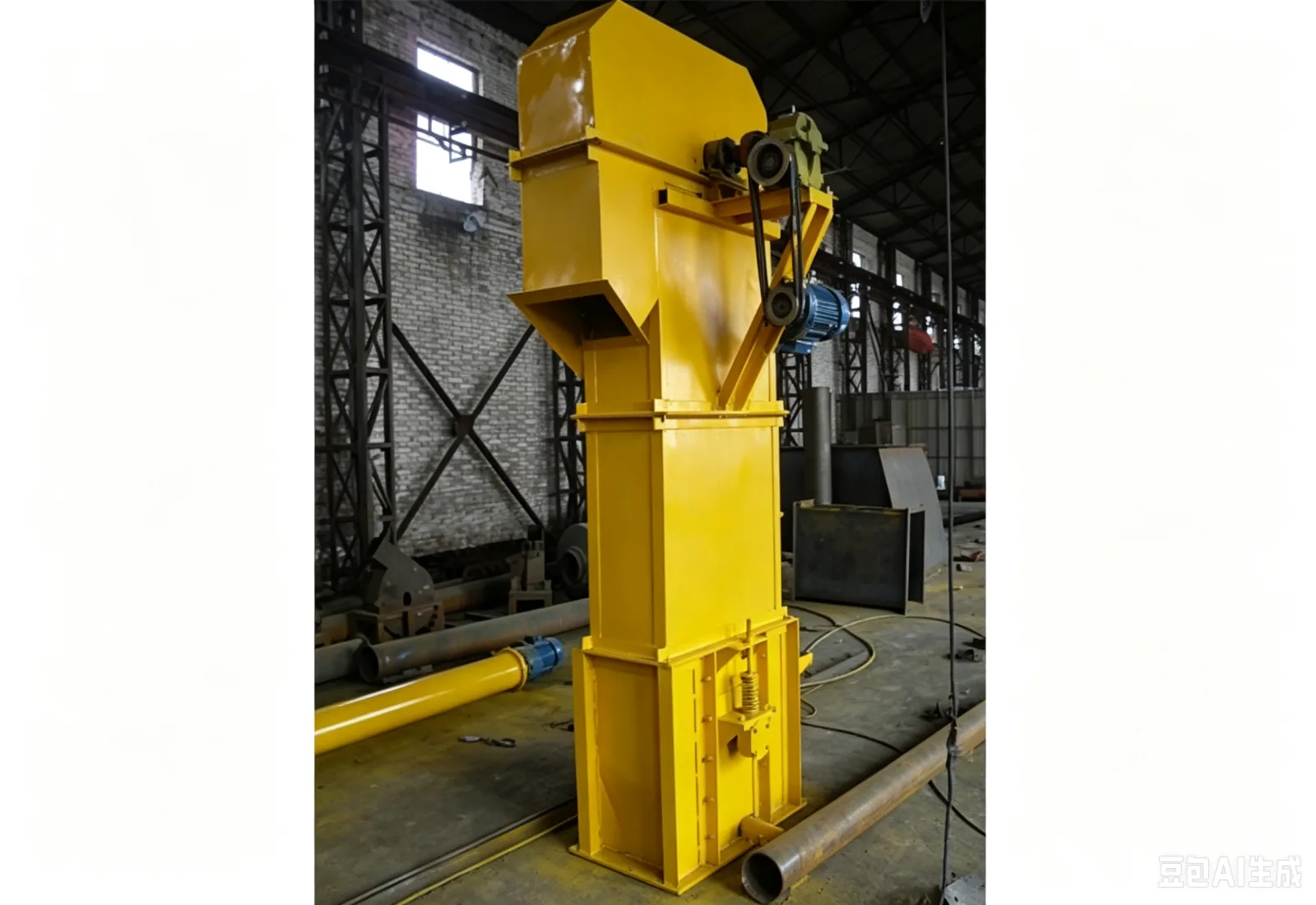 TD belt bucket elevatorGrain, seed and general powder or granule transfer
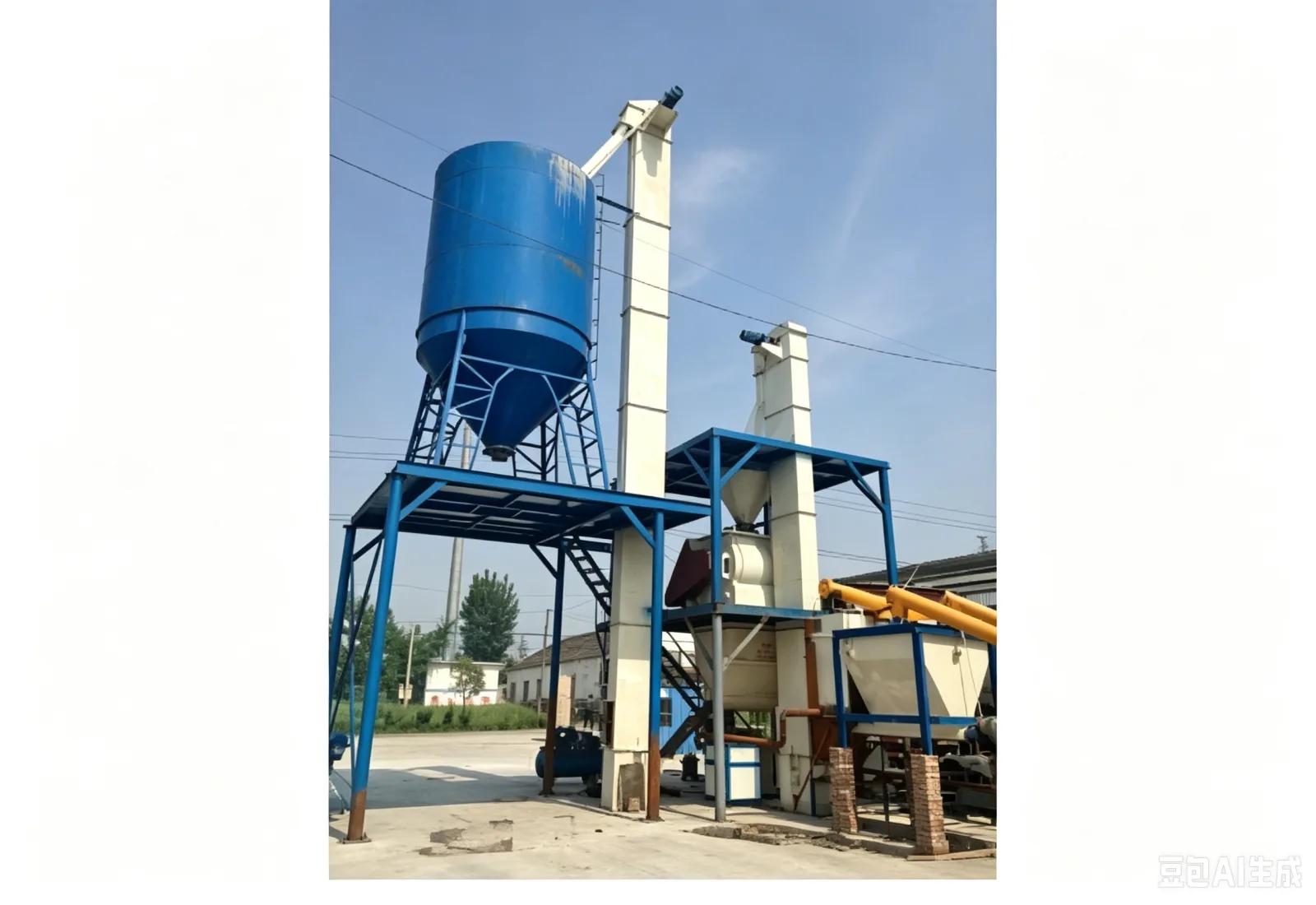 Vertical bucket elevatorConventional vertical transfer and interface layouts
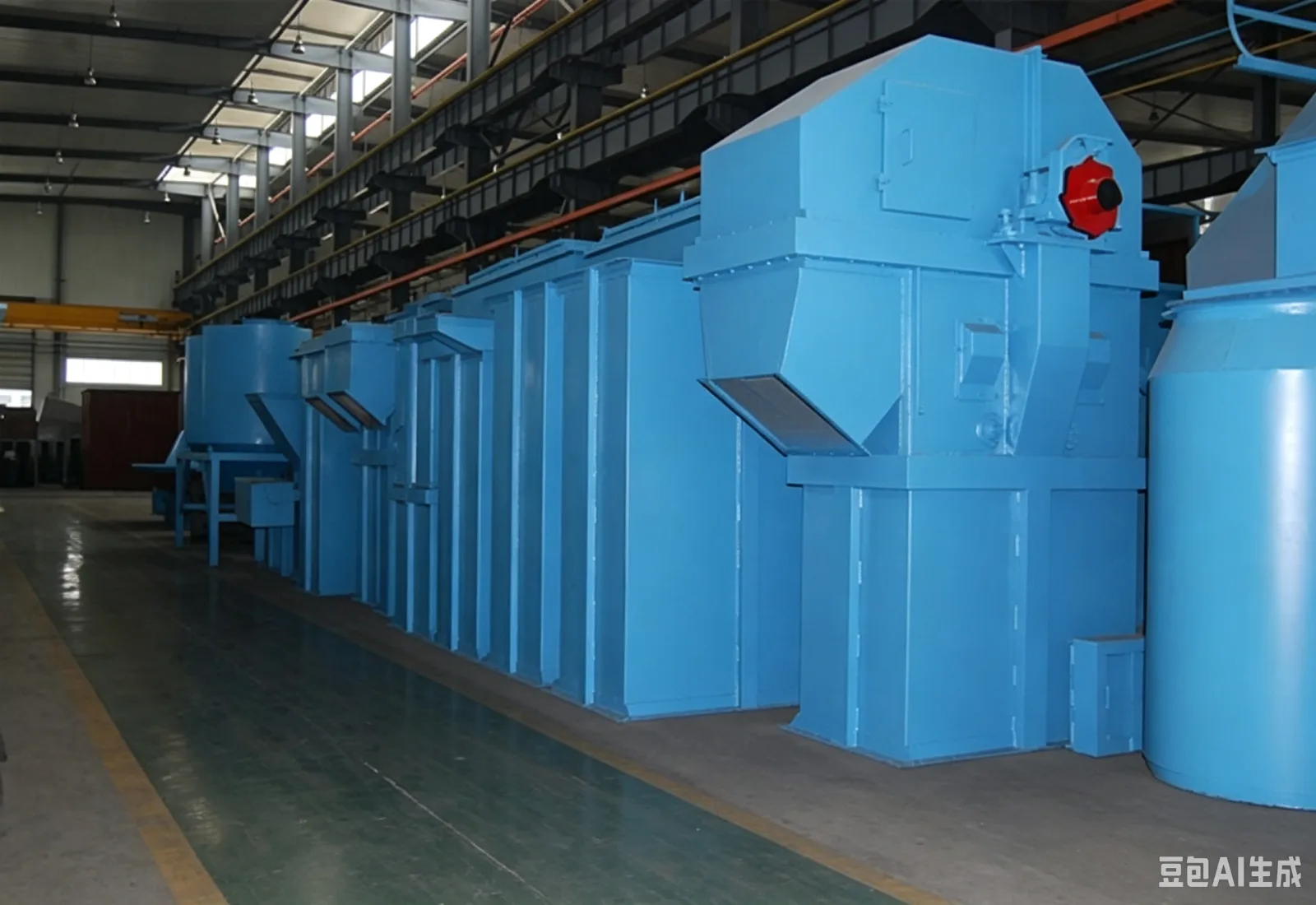 NE plate-chain bucket elevatorContinuous duty and larger transfer volumes
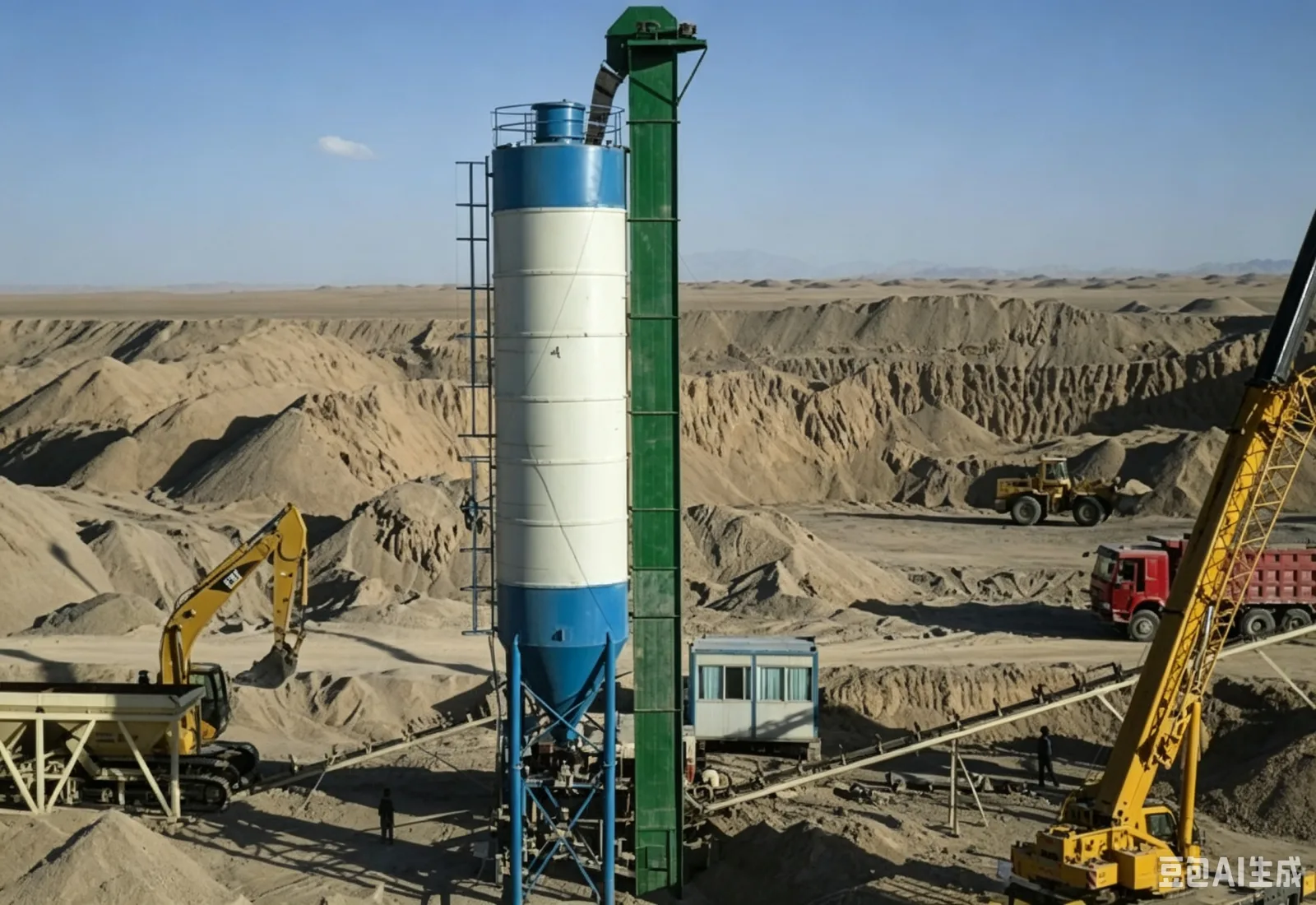 TH ring-chain bucket elevatorVertical lifting for powders, granules and small lumps
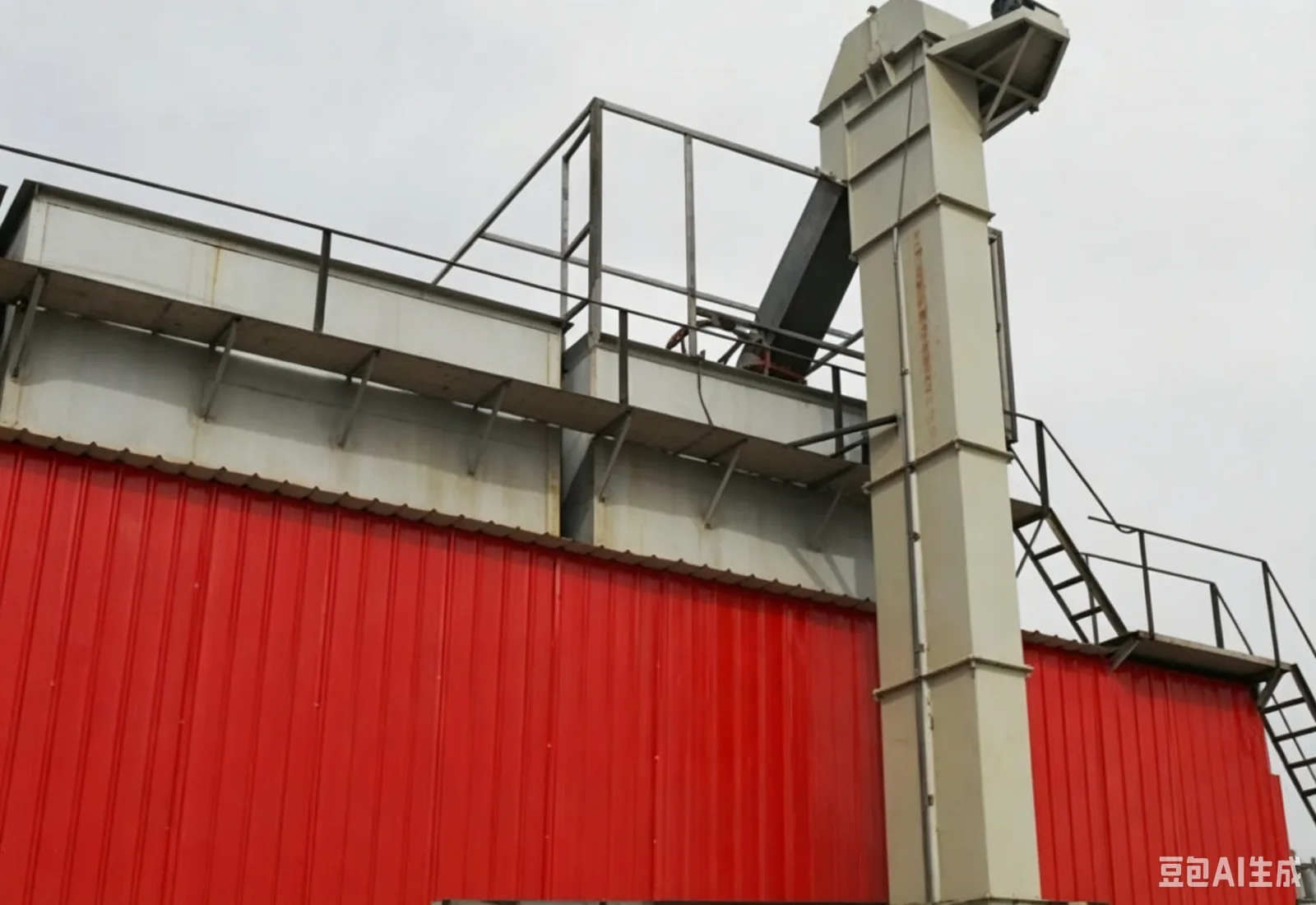 TB series vertical elevatorCompact layouts and custom elevation interfaces
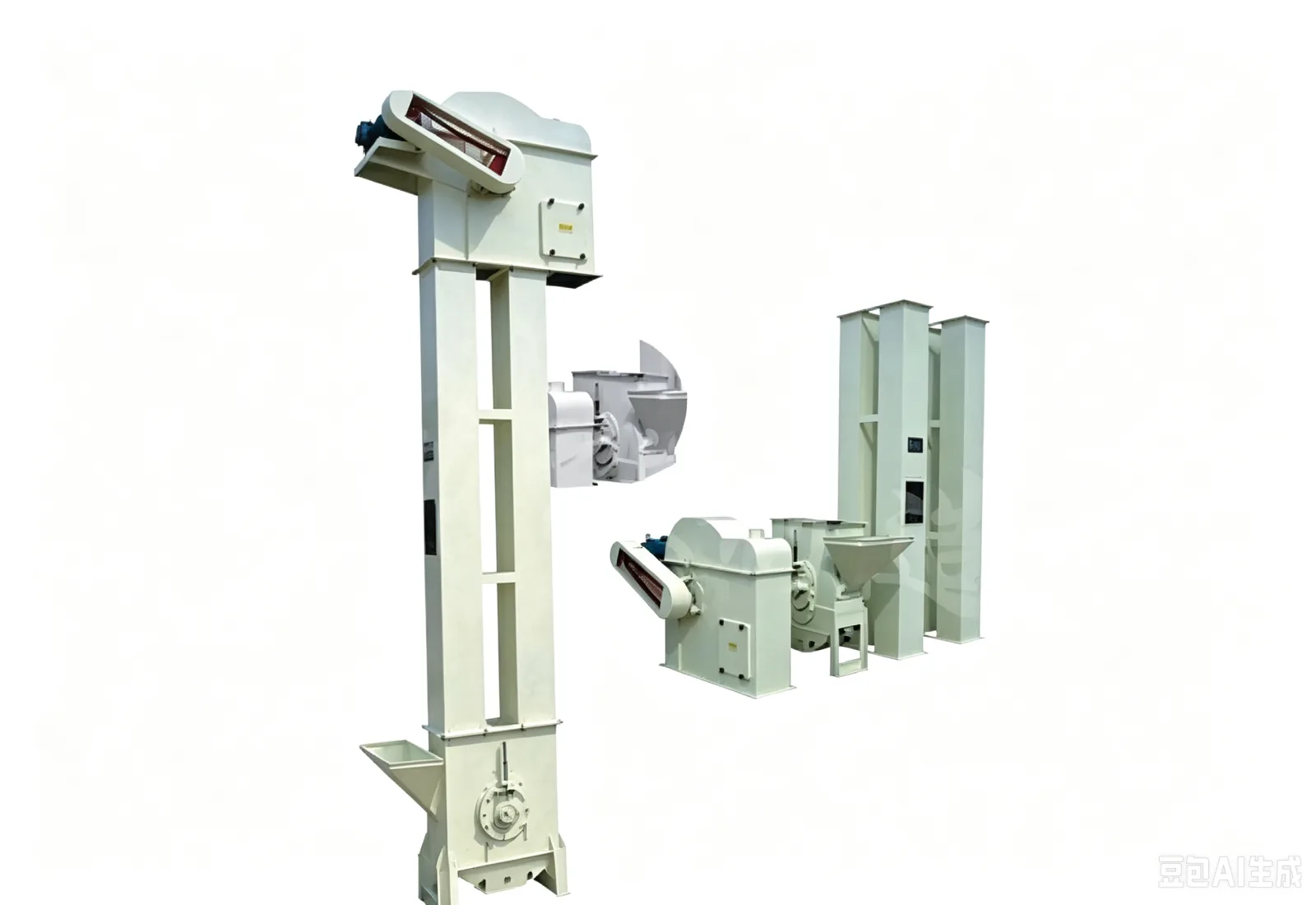 Grain elevatorLow-damage grain, feed and oilseed transfer
Vertical transfer for powders, granules and small lumps. Moisture, particle size, abrasiveness, temperature and fragility affect the bucket, belt or chain, casing seals, drive and discharge arrangement. Use this page to narrow the equipment family; confirm the final configuration from process data and interface drawings.
| Type | Main construction | Typical fit | Confirm before quotation |
|---|---|---|---|
| TD belt bucket elevator | Buckets mounted on a rubber or composite belt | Grain, seed, feed, powders and general granules | Bucket volume, belt speed, take-up, tracking and carryback |
| NE plate-chain bucket elevator | Buckets fixed to a plate chain in an enclosed casing | Continuous lifting and larger throughput | Chain and bucket material, pitch, inspection access and drive torque |
| TH ring-chain bucket elevator | Buckets mounted on ring chains | Granules, powders and material that allows moderate impact | Chain size, bucket spacing, feed method and noise control |
| TB series elevator | Bucket elevator arrangement adapted to the layout | Compact vertical layouts and greater lift heights | Lift height, inlet/outlet direction, foundation load and guarding |
| Grain elevator | Controlled feed and low-damage bucket arrangement | Wheat, corn, oilseeds and other grain | Breakage limit, bucket speed, cleanout and dust boundary |
The model name alone does not define throughput. Capacity depends on bulk density, bucket fill, belt or chain speed, feed continuity and discharge efficiency.
Suitable for ambient-temperature powders and granules with reasonably consistent size. The belt arrangement can provide controlled movement, but take-up, splice, tracking protection, bucket fastening and return cleaning should be listed in the supply scope. Grain and oilseed projects should define breakage and cleanout criteria.
Plate-chain construction fits continuous operation and higher throughput. Selection should cover chain load, bucket forces, feed impact, bottom accumulation and service access. Abrasive or hot materials require confirmation of contact parts and sealing materials.
This configuration fits common granules, powders and small lumps. The ring chain, sprockets, buckets and casing must be matched as a system. Confirm loaded starting, bottom take-up, chain lubrication and wear-part replacement access instead of sizing only by motor power.
Unusual building height, inlet and outlet direction, equipment spacing or foundation conditions may require custom interfaces. The quotation package should show total height, base dimensions, inlet and outlet center elevations, inspection doors, platforms, ladders and guarding.
Grain, sesame, peanut, rapeseed and other oilseeds usually require low breakage, low residue and practical cleaning. Provide moisture, particle distribution, bulk density, target throughput, acceptable breakage and upstream/downstream elevations before confirming bucket speed and feed buffering.
Receiving hopper -> cleaning or screening -> elevator -> buffer or dosing -> crushing, conditioning, pressing or packing
An elevator does not determine line capacity by itself. Feed continuity, downstream buffer volume, offset inlets and outlets, wall adhesion, controls and interlocks all affect the actual operating rate.
Elevators are usually specified alongside horizontal transfer, bin discharge and controlled feeding equipment. The following are common companion categories, not a fixed package scope:
| Companion equipment | Function in the transfer route | Conditions to confirm |
|---|---|---|
| U-trough screw conveyor | Moves powders or granules from receiving, blending or a bin outlet to the elevator or next machine | Length, incline, screw diameter, sealing, hanger bearings and cleanout |
| Stainless rotary valve | Provides controlled discharge where a specified contact material is required | Contact material, seal, clearance, speed and cleaning method |
| Rigid rotary valve | Discharges powders or granules from a hopper at a controlled rate | Pocket size, material flow behavior, pressure difference, leakage and drive |
| Hazardous-area or high-temperature discharge configuration | Serves projects with hazardous-area zoning or elevated material temperature | Area classification, temperature range, sealing, bearing protection and documentation |
Flanges, elevations, flow rate and controls should be reconciled on one interface drawing. Where dust-explosion or elevated-temperature requirements apply, the project owner must identify the relevant standard and site zoning; an equipment name alone is not a technical requirement.
FAT should use approved material or a documented substitute and check empty and loaded operation, throughput, spillage, carryback, jam protection, noise, vibration and service access. Grain and oilseed projects should also record breakage, residual material and cleanout time. The quotation should itemize the motor and gearbox, buckets, chain or belt, controls and protection, platforms, guarding, packing, commissioning, training and after-sales scope.
Recommended next step
Connect pretreatment, pressing, filtration and packaging into one practical production route.
Check hot-press, cold-press and small-shop models by batch capacity.
Open pageMatch cleaning, crushing, roasting, pressing, filtering and filling equipment.
Open pageCompare price, capacity, process, operation and startup requirements.
Open pageSend the material, target output and destination for a matched factory quote.
Request quoteReview additional machine, process and buyer resources on hydraulic-oil-press.com.
Open website