Compare machine models
Check hot-press, cold-press and small-shop models by batch capacity.
Open page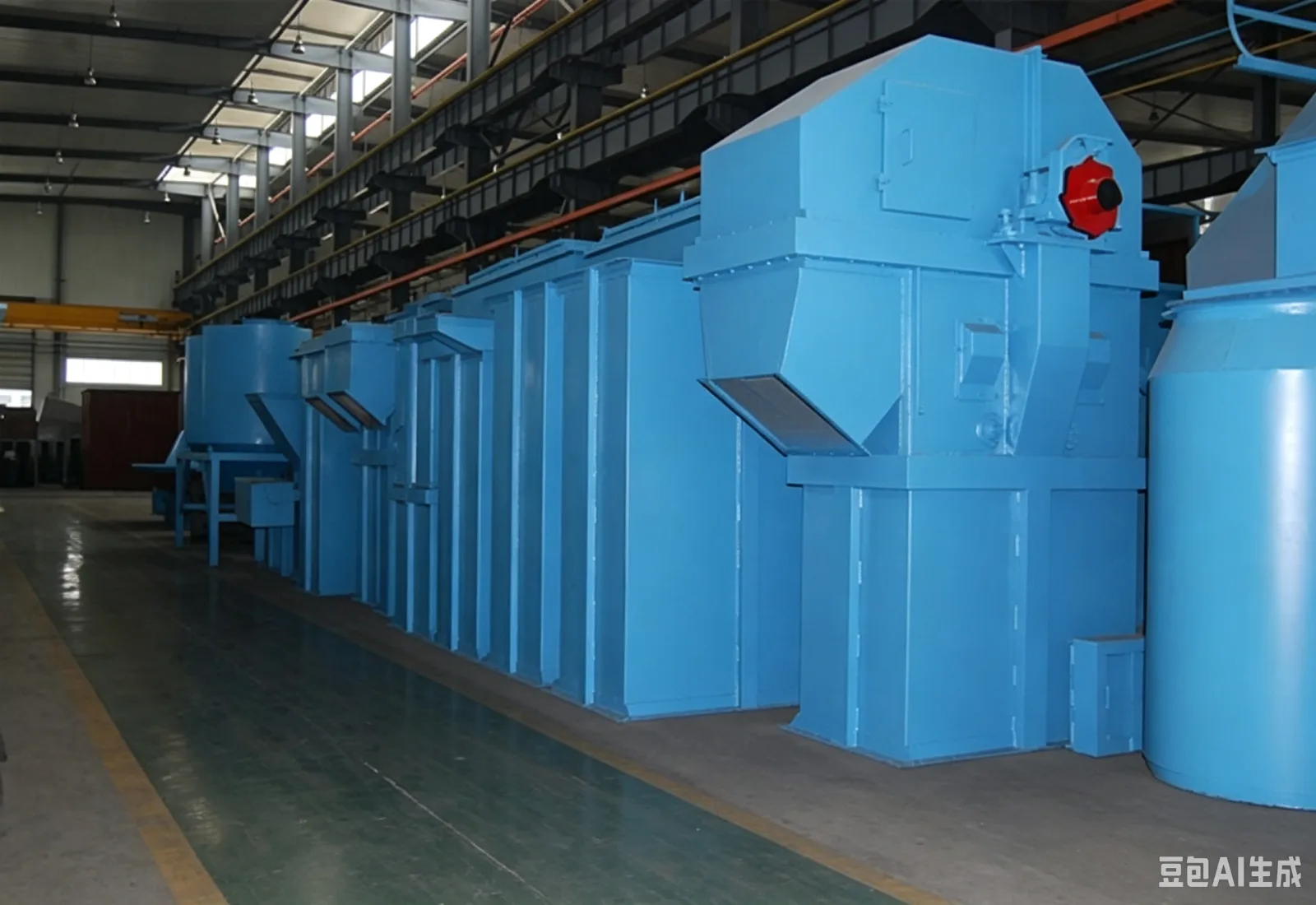
The NE plate-chain bucket elevator uses a plate chain as the traction element, with buckets arranged continuously along the chain. It suits powders, granules and qualifying small lumps that require sustained feeding and vertical transfer. Whether it fits a given duty depends on the combined assessment of material impact on the buckets, chain load, lift height, discharge behavior and the maintenance conditions available on site.
Beyond the buckets and plate chain, confirm the head drive, sprockets, tensioning device, casing, inlet buffering and inspection doors. Material dropping straight into the buckets can change chain loading and boot accumulation, so the feeding method, material flow direction and buffering measures should be written into the design input. Highly abrasive or elevated-temperature material requires the bucket, chain and seal materials to be specified.
An NE elevator normally moves material upward with continuously spaced buckets on a plate chain, so feed rate, bucket fill and chain loading have to be considered together. If the upstream process drops large intermittent surges, the machine can be briefly overloaded even when the average throughput is within specification. The project scheme should state peak feed rate, the point of material impact, the buffering arrangement and loaded starting conditions, rather than only a nominal tonnage.
| Component | Main function | Points to confirm on site |
|---|---|---|
| Plate chain | Carries the traction load and drives the buckets | Pitch, strength, lubrication, connections and tensioning travel |
| Buckets | Pick up, lift and discharge material | Volume, spacing, material, wear and fastening method |
| Sprockets and head section | Transmit drive force and provide guidance | Drive direction, servicing, covers and guarding |
| Boot assembly | Receives material and adjusts chain tension | Cleanout of accumulation, tensioning, inlet buffering and inspection doors |
| Casing and platforms | Form the enclosed path and provide maintenance access | Section joints, sealing, inspection doors, platforms and ladders |
The inlet should be arranged so material enters the buckets rather than striking the chain and casing directly. The direction, angle and downstream capacity of the discharge chute must match the discharge trajectory at the head section. The control system can provide speed, blockage, level, temperature, vibration and emergency-stop signals as the project requires; the alarm, shutdown and reset logic for these signals should be confirmed together with the upstream and downstream equipment.
Inspect the chain, buckets, sprockets, tensioning and boot accumulation only with the machine stopped, isolated and with no upstream feed. If the chain sounds abnormal, buckets are rubbing, lifting capacity drops or carryback appears at the head section, do not continue running at full load. Check feeding, accumulation, alignment, fastening and wear first, then adjust based on the inspection findings. The spare-parts plan should at least cover routine seals, fasteners and wear parts.
Loaded acceptance testing should record conveying stability, bucket loading, discharge, chain running, boot accumulation and protection-device response. The quotation must state the scope for chain, buckets, sprockets, drive, tensioning, platforms, guarding and spare parts; site installation, commissioning, dust extraction and cable connection are governed by the written scope.
Recommended next step
Connect pretreatment, pressing, filtration and packaging into one practical production route.
Check hot-press, cold-press and small-shop models by batch capacity.
Open pageMatch cleaning, crushing, roasting, pressing, filtering and filling equipment.
Open pageCompare price, capacity, process, operation and startup requirements.
Open pageSend the material, target output and destination for a matched factory quote.
Request quoteReview additional machine, process and buyer resources on hydraulic-oil-press.com.
Open website