Compare machine models
Check hot-press, cold-press and small-shop models by batch capacity.
Open page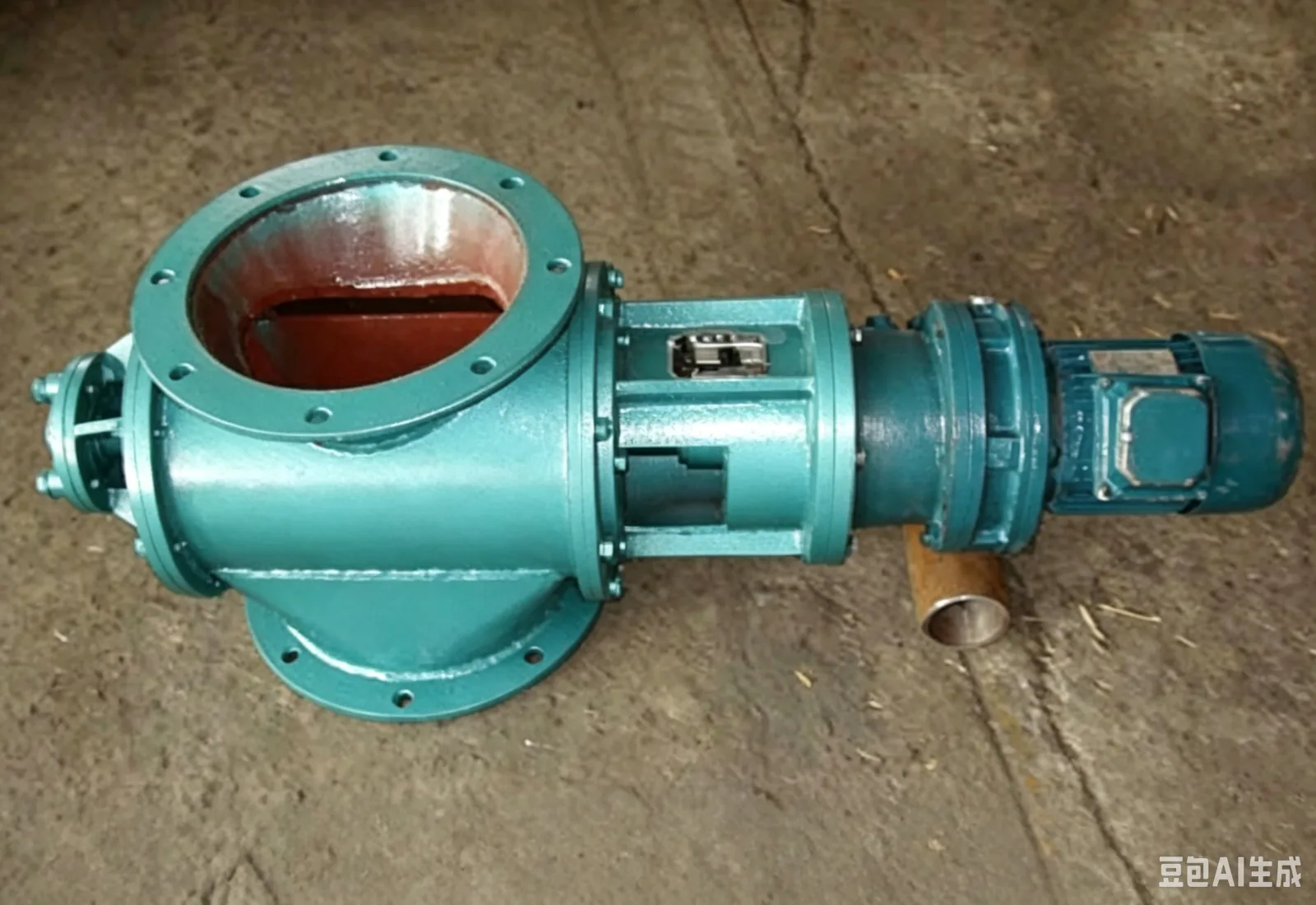
A rigid rotary airlock uses the pockets of a rotating vane wheel to move powder or granular material from the bottom of a bin or item of equipment downstream at a relatively steady rate. It is typically installed under a dust-collector hopper, storage bin, pre-packing surge bin or at the inlet of a screw conveyor. The actual feed rate is set by pocket volume, rotational speed, how completely the pockets fill and the upstream material head — it should not be estimated from valve bore alone.
Where material flows poorly, bridges readily or contains large foreign objects, the upstream design should include suitable bridge-breaking, screening or buffering. Where a pressure difference is involved, casing rigidity, rotor clearance, shaft-end sealing and allowable air leakage must all be checked together. For abrasive material, the wear allowance and maintenance method for the casing bore, vanes and end covers should be stated in advance.
The theoretical discharge rate comes from the volume of a single pocket, rotor speed and the number of pockets per revolution; the actual figure must also account for incomplete filling, backflow, pressure-difference effects and fluctuation in supply from the bin. Where the unit is used for dosing, confirm the acceptable flow variation first, then decide whether variable-frequency drive, upstream level control or downstream weight checking is needed. Raising speed does not always solve a shortfall in output — excessive speed can instead cause wear, material throw-off or abnormal power draw.
| Component | Working function | Selection considerations |
|---|---|---|
| Valve body | Forms the material chamber and connection interfaces | Wall thickness, bore, flanges and wear-resistance requirements |
| Rotor | Separates the material and discharges it as the shaft turns | Pocket size, vane form, allowable particle size and clearance |
| End covers and bearings | Support the rotor and close off the ends | Bearing position, lubrication, servicing and temperature-rise conditions |
| Seal assembly | Reduces powder leakage and air bypass | Material temperature, pressure difference and replacement method |
| Drive unit | Provides steady low-speed torque | Motor power, reduction ratio, variable-frequency drive and guarding |
The upstream bin should not force large foreign objects into the rotor, and material flow should not scour one side of the vanes continuously. Where the downstream item is a screw conveyor, packing machine or pneumatic conveying interface, confirm drop height, back pressure and the start/stop sequence. Normally the downstream equipment is started first, then the airlock, then the upstream feed is opened; on shutdown, upstream supply is stopped first and the remaining equipment is stopped in sequence once downstream has cleared. The exact logic follows the site process.
Routine checks cover drive noise, bearing temperature, flange leakage, rotor resistance and discharge uniformity. When changing material, empty the pockets and downstream residue according to the safety procedure. If the rotor jams, do not repeatedly force a restart: isolate power and material first, then check for foreign objects, packed material, bearing condition or vane rubbing. In abrasive duty, schedule inspection from recorded wear rather than replacing parts on a calendar interval alone.
Material trials should focus on discharge uniformity, unexpected jamming, vane rubbing, shaft-end leakage, vibration and residue after shutdown. The supply scope should state the body, rotor, drive, seals, mounting supports, control interface and recommended spare parts; site connections to the bin, dust collector and downstream conveyor should not be assumed to be included.
Recommended next step
Connect pretreatment, pressing, filtration and packaging into one practical production route.
Check hot-press, cold-press and small-shop models by batch capacity.
Open pageMatch cleaning, crushing, roasting, pressing, filtering and filling equipment.
Open pageCompare price, capacity, process, operation and startup requirements.
Open pageSend the material, target output and destination for a matched factory quote.
Request quoteReview additional machine, process and buyer resources on hydraulic-oil-press.com.
Open website