Compare machine models
Check hot-press, cold-press and small-shop models by batch capacity.
Open pageThis page covers kernels removed from apricot stones. Whole stones, broken hard shells, and mixed fruit-processing residue require additional separation and must not be quoted as clean kernel feed. The buyer must also declare whether the oil is intended for food, cosmetic, or industrial use.
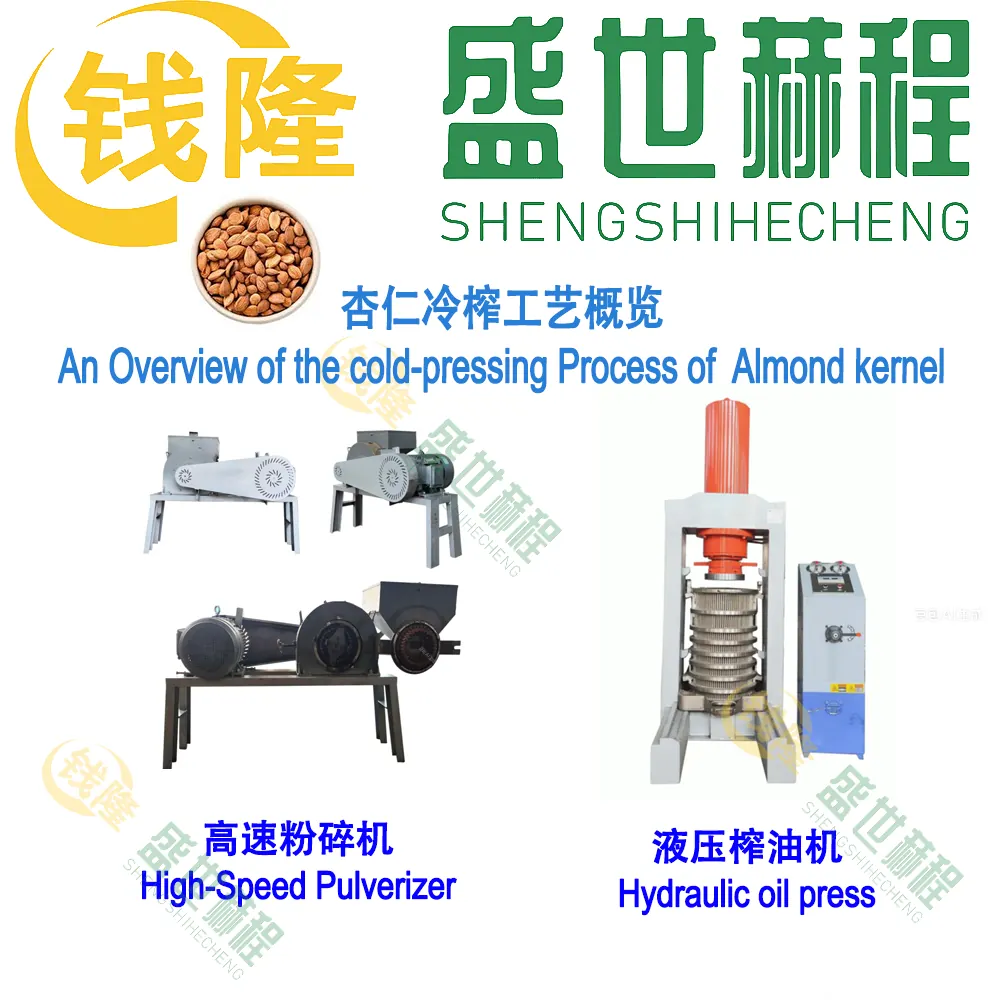
Identify the kernel type, origin, traceability documents, shell contamination, moisture, and storage condition. Remove moldy, insect-damaged, discolored, or rancid material. Pressing is an extraction step and does not establish the safety or legal suitability of the kernels or oil for a claimed end use.
Use a low-temperature hydraulic batch trial as the starting route for clean kernels. Any warm conditioning must be evaluated against color, aroma, filtration behavior, and the buyer's product specification. A press model is selected from trial charge density and cycle records, not from whole-stone input.
Specify settling time, filtration grade, visible sediment and water criteria, color, odor, and the laboratory tests required for the intended market. Use protected storage and packaging when the finished-oil specification requires reduced light and air exposure.
Use the approved kernel lot and record stone-to-kernel basis where relevant, residual shell fraction, moisture, crush size, batch charge, cycle time, oil temperature, crude and filtered oil weight, and cake weight. Retain labeled oil and kernel samples and attach the agreed laboratory report; machine operation alone is not acceptance of product safety.
Send the actual apricot-kernel sample, source documents, daily kernel input, intended oil use, required tests, utilities, and destination for a trial-based equipment quotation.
Recommended next step
Connect pretreatment, pressing, filtration and packaging into one practical production route.
Check hot-press, cold-press and small-shop models by batch capacity.
Open pageMatch cleaning, crushing, roasting, pressing, filtering and filling equipment.
Open pageCompare price, capacity, process, operation and startup requirements.
Open pageSend the material, target output and destination for a matched factory quote.
Request quoteReview additional machine, process and buyer resources on hydraulic-oil-press.com.
Open website