Compare machine models
Check hot-press, cold-press and small-shop models by batch capacity.
Open page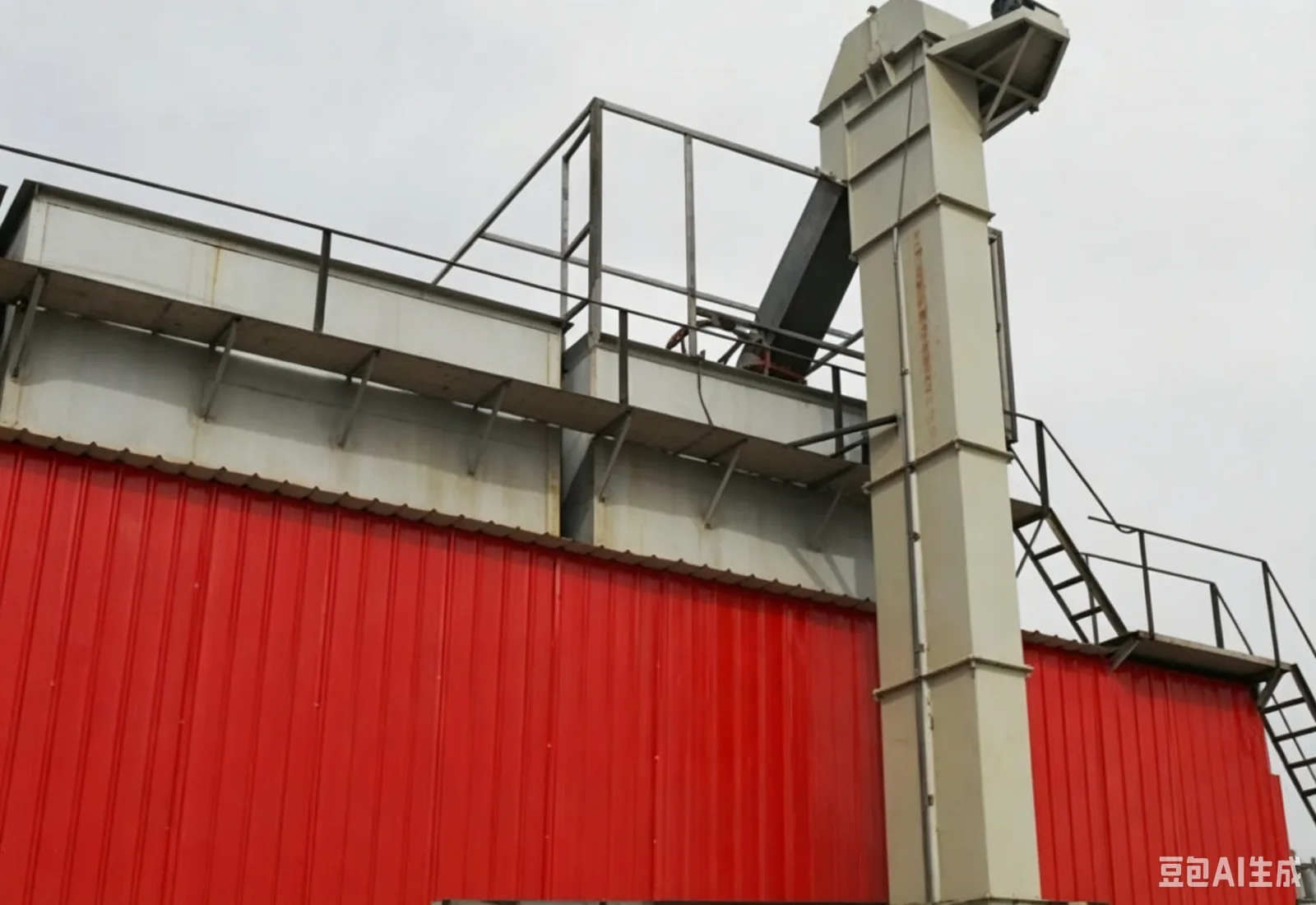
The TB series vertical elevator suits transfer duties defined around building height, inlet and outlet direction and the arrangement of downstream equipment. Machine form, bucket spacing and traction construction must be confirmed together with the material and the interfaces. Greater lift heights or tight installation space affect overall height, foundation loading, platforms, drive arrangement and service routes at the same time.
At the start of a project, draw the inlet, the outlet, the machine centerline and personnel access routes, and confirm whether beams, columns, floor openings, piping or adjacent equipment interfere. Custom interfaces should also state flange or bucket-opening shape, discharge direction, downstream drop point, platforms and ladders, and guarding boundaries. Without this data, a model number cannot be matched to the real site.
Fix the actual center elevations of the feed and discharge points first, then confirm the floor area the machine body may occupy and the clear height above it. Next, place the upstream feeder, downstream bin or equipment, chutes, dust extraction, platforms and personnel access on a single drawing for review. This makes it possible to find problems before manufacture — a discharge direction that conflicts with downstream equipment, inspection doors that cannot open, platforms blocked by piping or insufficient cleanout space at the boot.
| Configuration | Role in the project | To be specified at order |
|---|---|---|
| Traction element and buckets | Determine how material is picked up and lifted vertically | Material properties, bucket size, spacing and wear requirements |
| Head section and outlet | Determine drive position and downstream handover | Discharge direction, center height, drop space and service face |
| Casing and boot | Determine overall height, sealing and boot feeding | Section lengths, inspection doors, cleanout openings and support method |
| Platforms and ladders | Provide maintenance and inspection access | Height, width, handrails, openings and site boundaries |
| Sensing and control | Handle blockage, speed or level faults | Detection points, interlock logic, power and signal interfaces |
Installation should verify foundation dimensions, machine verticality, section joints, inlet and outlet flanges and platform connections. Commissioning starts with a no-load check confirming the traction element path, drive direction, detection signals and emergency-stop logic; the agreed material is then loaded progressively while checking feeding, lifting, discharge, carryback, vibration and downstream reception. Any additional chutes, brackets or guarding required by changed site conditions should have their responsibility scope defined in a variation.
Long-term operation should be supported by inspection records covering at least the drive, traction element, bucket fastening, boot accumulation, sensors, seals and platform handrails. Before servicing, stop the upstream supply, allow the machine to empty, disconnect power and apply the site-specified isolation measures. Where the machine handles several materials, define the cleaning method required at changeover so residue does not carry into the next batch.
Site or factory verification should address layout dimensions, loaded operation, discharge path, accumulation, vibration, interlocks and service access. Commercial documents should separate the main machine, platforms, ladders, guarding, controls, civil works, lifting, installation, commissioning and training, so that non-standard interfaces or site work are not assumed to be inside a single-machine price.
Recommended next step
Connect pretreatment, pressing, filtration and packaging into one practical production route.
Check hot-press, cold-press and small-shop models by batch capacity.
Open pageMatch cleaning, crushing, roasting, pressing, filtering and filling equipment.
Open pageCompare price, capacity, process, operation and startup requirements.
Open pageSend the material, target output and destination for a matched factory quote.
Request quoteReview additional machine, process and buyer resources on hydraulic-oil-press.com.
Open website