Compare machine models
Check hot-press, cold-press and small-shop models by batch capacity.
Open page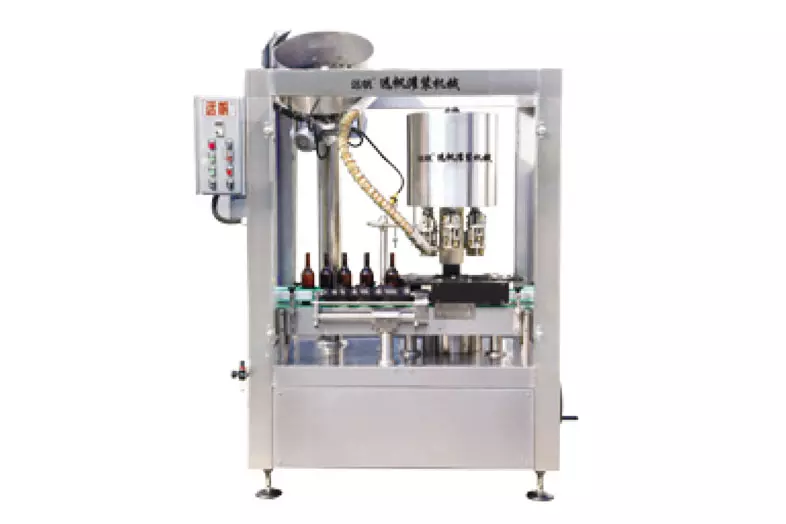
The closure section protects the filled product and prepares the package for inspection, labeling and transport. Cap geometry, bottle neck, liner or seal construction and required application force determine the correct machine. Closure names alone are not enough because visually similar caps can require different handling and tooling.
Filling -> cap supply and placement -> pressing, tightening or sealing -> closure inspection or leak test -> labeling and coding -> case packing
The capper must match the filler discharge and downstream accumulation. For products that use corks or heat-shrink capsules, review the dedicated corking and capsule shrinking series.
Confirm:
| Model | Selection focus |
|---|---|
| SY plastic cap press | Press-on plastic closure and bottle support |
| Automatic pneumatic capper | Pneumatic application method and line integration |
| Automatic single-head bottle sealer | Single-head operation, tooling and format handling |
| Aluminum cap sealer | Aluminum closure, neck fit and finished seal |
| Automatic tamper-evident cap sealer | Tamper-evident closure handling and appearance |
Use linked product pages for published model specifications. Final tooling and performance must be confirmed with approved bottle and closure samples.
Send bottle and cap drawings plus physical samples, product description, target output, required closure test, upstream filler, downstream inspection or labeler, conveyor dimensions, utilities, layout and destination. State whether caps arrive loose, oriented or pre-applied.
FAT should use the agreed bottle, cap and product or substitute. Define cap presence, finished position, application force or torque method, leakage test, cosmetic damage, jams, changeover and line interlocks. Test consumables, local installation, travel, training, tooling spares, warranty and support response are supplied only as stated in the signed commercial documents.
Provide the approved bottle and closure combination to receive a tooling plan, supply scope and manufacturer quote.
Recommended next step
Connect pretreatment, pressing, filtration and packaging into one practical production route.
Check hot-press, cold-press and small-shop models by batch capacity.
Open pageMatch cleaning, crushing, roasting, pressing, filtering and filling equipment.
Open pageCompare price, capacity, process, operation and startup requirements.
Open pageSend the material, target output and destination for a matched factory quote.
Request quoteReview additional machine, process and buyer resources on hydraulic-oil-press.com.
Open website