Skip to content

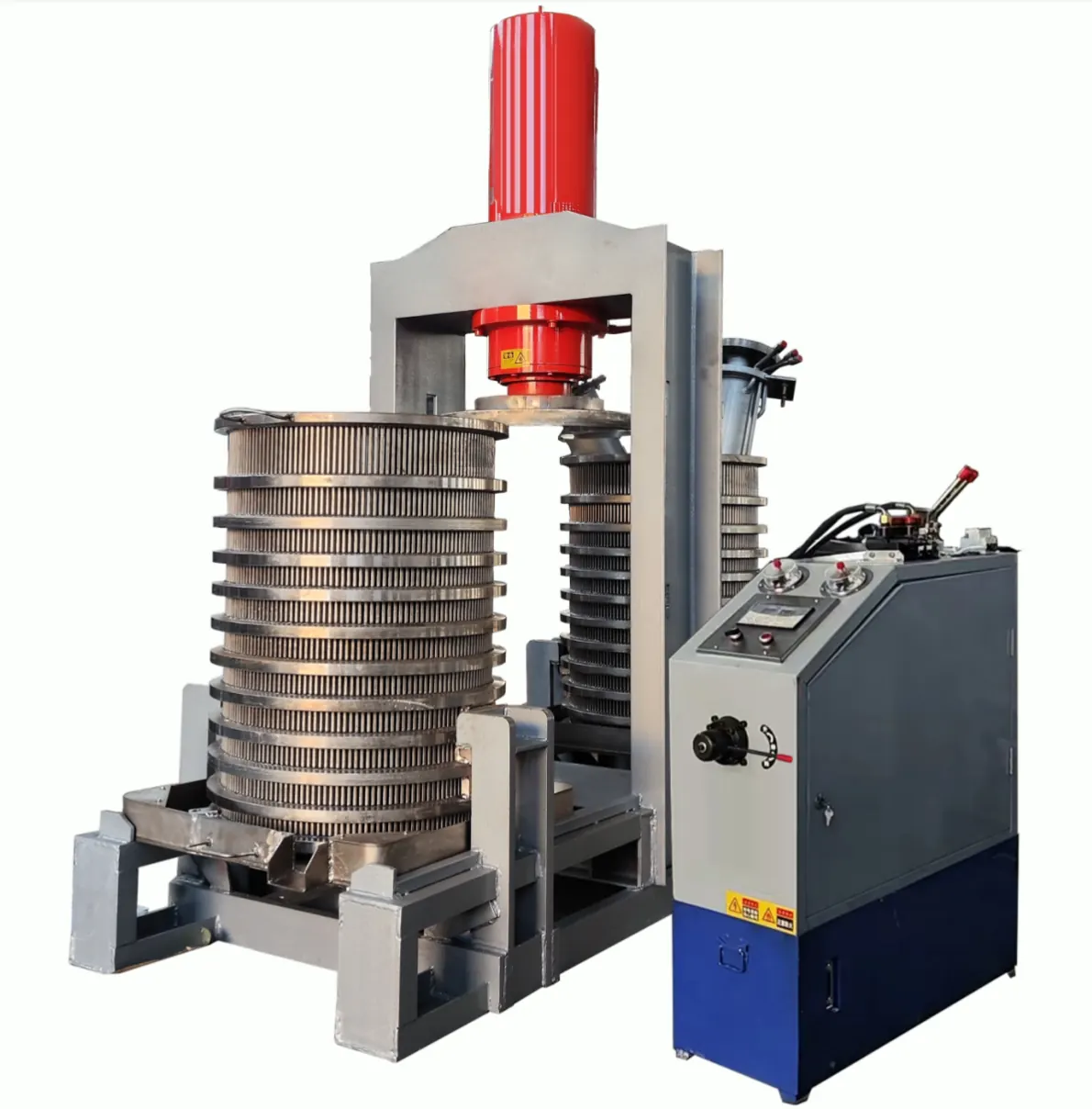
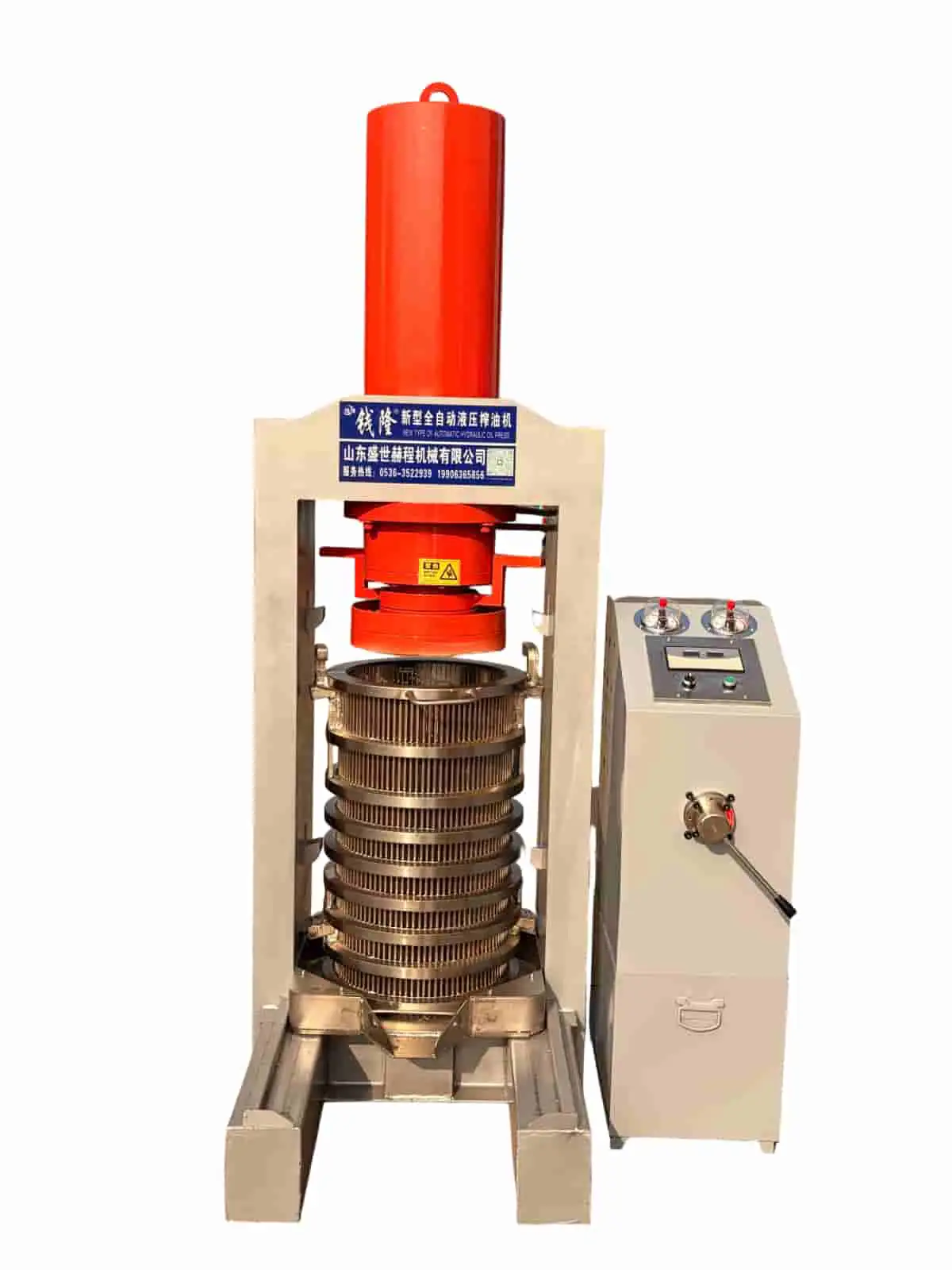
300 Series Oil Press

300 Series Oil Press

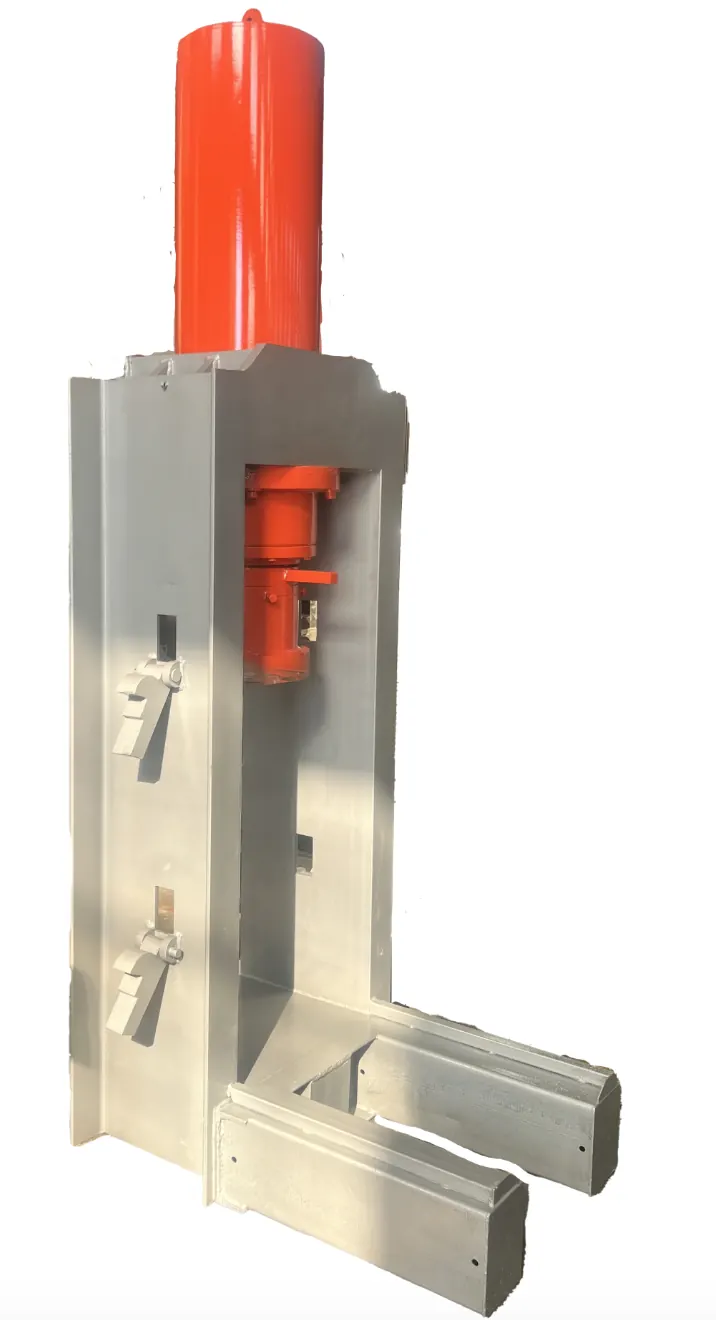
Notice: The frame of this model is made of channel steel (H-beam steel)

Series Overview

Get Price & Quote / Official Website

Need factory pricing, barrel selection, or delivery time?

Purchase Decision Snapshot

  • Recommended for: Entry-level oil mills, family workshops, and pilot production.
  • Recommended process: Hot pressing after cleaning, crushing, and roasting or heated conditioning.
  • Material focus: Peanut, sesame, rapeseed, sunflower seed, flaxseed, and tea seed hot-press projects.
  • Process route: Cleaning -> crushing/flaking -> roasting or conditioning -> hydraulic pressing -> filtration.
  • Quote usually includes: Machine model, barrel configuration, electrical cabinet, packing, lead time, and after-sales guidance.

Factory Quote & After-Sales

  • Reference solutions: Peanut oil solution, Sesame oil solution, Tea seed oil solution
  • A standalone machine or full line can be quoted; the signed quotation and contract control the final scope, exclusions, utilities, and buyer responsibilities.
  • Video inspection, export packing, commissioning guidance, and remote support apply only when listed in the signed commercial scope.
  • FAT verifies the agreed factory configuration and test protocol. SAT is separate and depends on site readiness, utilities, representative buyer material, measuring methods, and signed acceptance criteria.
  • Compare the 300 against other quoted configurations using total installed scope, barrel, trial cycle, utilities, and acceptance criteria; do not infer the lowest project cost from the model name.
  • Get Price & Quote

Product Parameters

300 Model Hydraulic Oil Press —— Consolidated Parameter Table

Instructions

  • Total Pressing Force: 300 tons
  • Stroke 850 mm → Minimum single pressing amount: 5 kg
  • Stroke 700 mm → Minimum single pressing amount: 40 kg
  • System pressure uniformly marked as 60 MPa
  • Equipment weight uses original range, in tons (t)

300AC —— Single Barrel Type

Barrel Diameter (mm)Height (mm)Volume (L)Stroke (mm)Minimum Single Pressing Amount (kg)Main Dimensions W×L×H (mm)System Pressure (MPa)Cake Surface Pressure (MPa/cm²)Equipment Weight (t)
300800578505720×1050×245060421.2–1.3
3008005770040720×1050×245060421.3–1.4
390800968505800×1100×245060251.2–1.3
3908009670040800×1100×245060251.3–1.4
4808001458505900×1300×245060171.2–1.3
48080014570040900×1300×245060171.3–1.4
56080019785051000×1400×245060121.2–1.3
560800197700401000×1400×245060121.3–1.4
63080024985051100×1600×245060101.2–1.3
630800249700401100×1600×245060101.3–1.4

300BC —— Dual Barrel Type (Two identical barrels, total volume = single barrel × 2)

Barrel Diameter (mm)Height (mm)Total Volume (L)Stroke (mm)Minimum Single Pressing Amount (kg)Main Dimensions W×L×H (mm)System Pressure (MPa)Cake Surface Pressure (MPa/cm²)Equipment Weight (t)
3008001148505720×1090×245060421.6–1.7
30080011470040720×1090×245060421.6–1.7
3908001928505800×1140×245060251.6–1.7
39080019270040800×1140×245060251.6–1.7
4808002908505900×1340×245060171.6–1.7
48080029070040900×1340×245060171.6–1.7
56080039485051000×1440×245060121.6–1.7
560800394700401000×1440×245060121.6–1.7
63080049885051100×1640×245060101.6–1.7
630800498700401100×1640×245060101.6–1.7

300AS —— Large-Small Mother-Son Barrel Type (Large barrel + small barrel, total volume = sum of both)

Large Barrel Diameter (mm)Small Barrel Diameter (mm)Height (mm)Total Volume (L)Stroke (mm)Minimum Single Pressing Amount (kg)Main Dimensions W×L×H (mm)System Pressure (MPa)Large/Small Barrel Cake Surface Pressure (MPa/cm²)Equipment Weight (t)
390300785149.08505800×1140×24506025 / 421.6–1.7
390300785149.070040800×1140×24506025 / 421.6–1.7

Hot-Press Trial and Acceptance Record

Oil recovery is not a fixed model value. For 300/325 hot-press projects, compare repeated trials on the same raw-material lot and record the heating step instead of using a generic yield table.

Trial fieldRecord before acceptance
Raw materialVariety, supplier lot, cleaned feed mass, impurity level and measured moisture
PreparationCrushing size, roasting or conditioning temperature, holding time and feed temperature
Press cycleBasket size, actual load, pressure sequence, holding time, unloading time and complete cycle time
Oil resultNet oil after the agreed settling or filtration step, with container tare removed
Cake resultCake mass and residual oil measured by the agreed laboratory method
Comparison basisAt least two repeatable runs using the same lot, calculation formula and measuring instruments

Feed-basis yield and recovery relative to measured oil content are different figures. The quotation and acceptance document should state which calculation is used; no percentage is guaranteed without a representative witnessed trial.

Pressing Barrel Selection Guide:

  • Standard barrel specifications:
    • Diameter: 390mm
    • Length: 800mm
    • Volume: 95.6 liters (can hold about 100kg of crushed material, continuously compacted)
    • Material and barrel compatibility must be verified for the intended hot-press route with representative material; barrel dimensions alone do not establish suitability.
  • 300mm diameter is recommended as sesame-specific barrel
    • Suitable for sesame and other small particle oil materials
    • Verify small-particle loading, drainage, complete cycle time and cake residual oil by trial.
    • Volume: 56 liters
  • 480mm /560mm /630mm diameter is recommended for oil materials requiring long pressing time
    • Suitable for oil materials requiring long pressing time
    • Confirm load, pressure-holding time and the complete cycle with the selected barrel.
    • Volume: 145/197/249 liters
  • A 2100 mm dual-barrel configuration may be quoted; confirm current manufacturability, dimensions, scope, and lead time in the signed offer. The 1200 mm single-barrel configuration shown here is also subject to order confirmation.
    • Pressing Barrel Selection Guide

Pressing Material Guide:

  • Partial oil material pressing process guidance as follows:
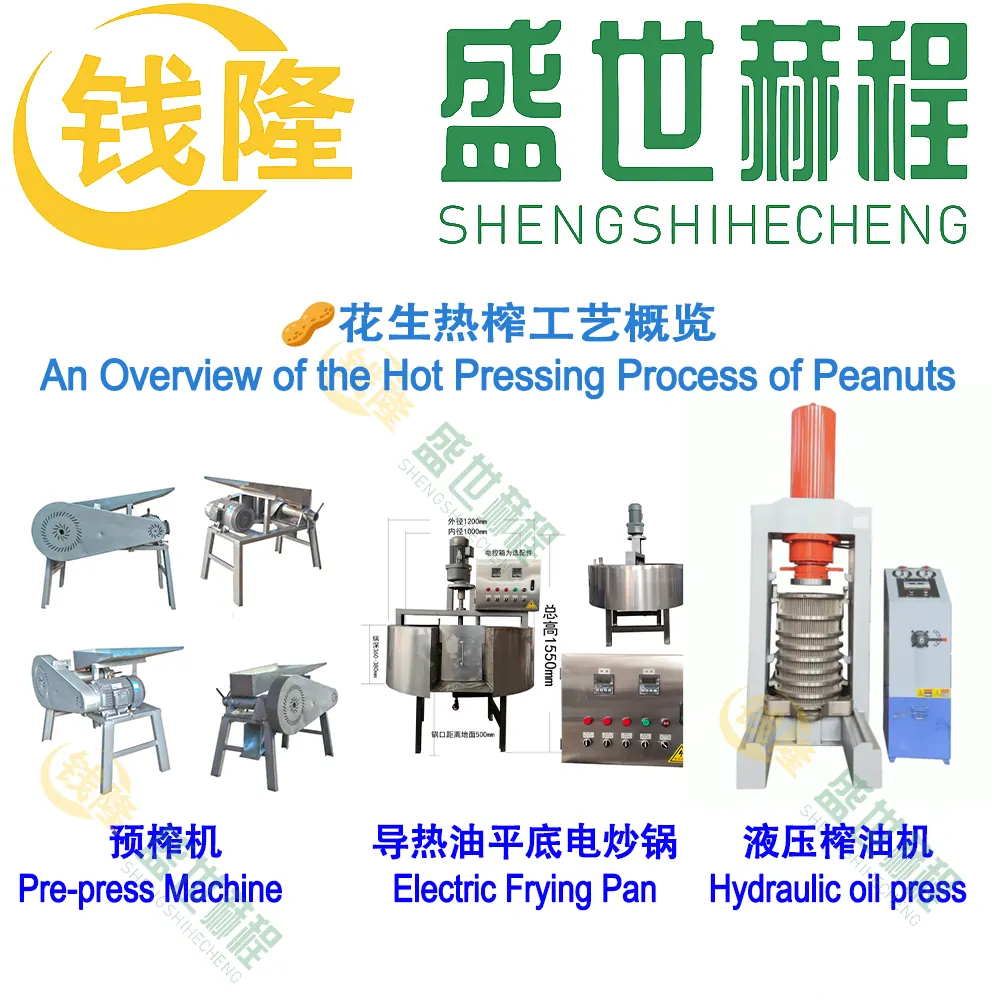
  • Peanut (Recommended 300AC-390) + Peanut oil (rich aroma type) hot pressing process: Crush peanuts -> roast the peanut granules in a flat-bottom wok -> feed them into the hydraulic oil press barrel for pressing. + Record roasting temperature and time, feed temperature, oil color and aroma, net filtered oil and cake residual oil for the buyer's peanut lot. + Determine settling and filtration from the required finished-oil specification; no universal filtration exemption or unsupported brand reference is assumed. + Peanut hot pressing process
    • Sesame (Recommended 300AC-390)
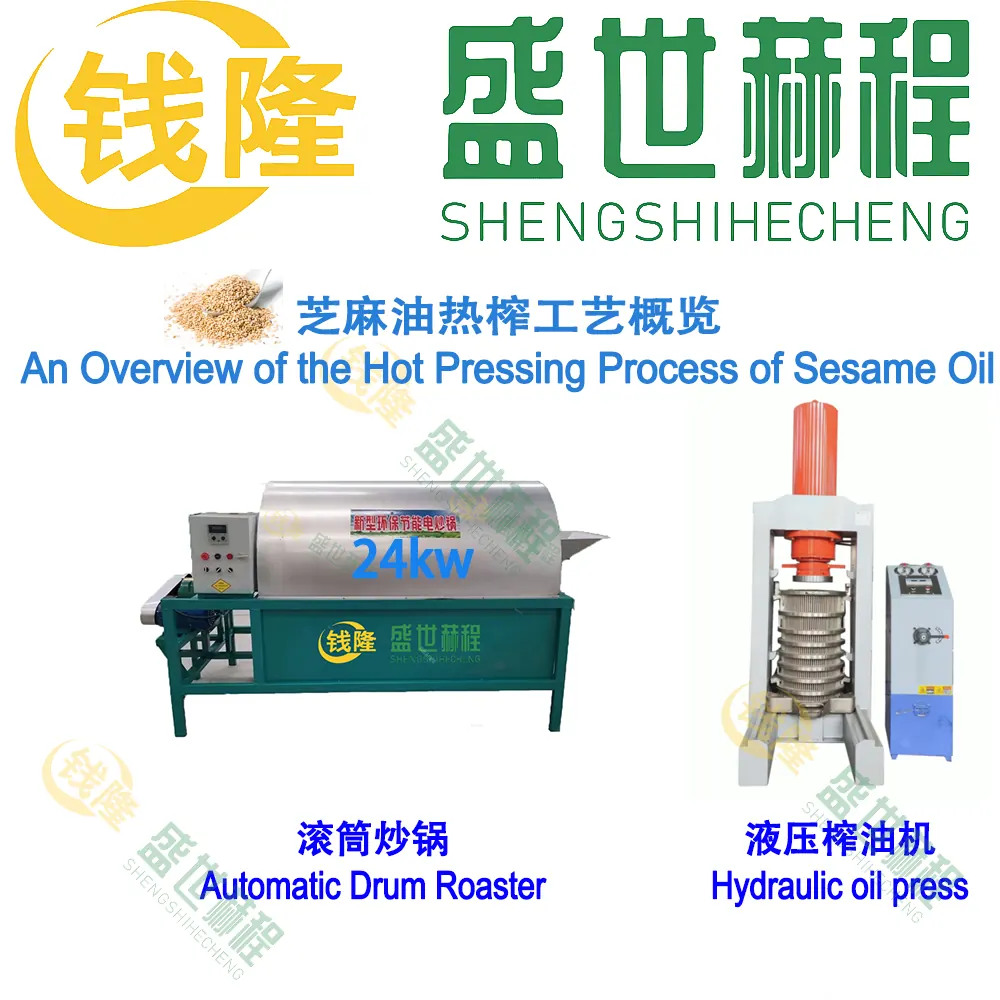
      • Sesame hot-press route: clean and roast the sesame, then press it directly. Record the roast profile, oil temperature, net filtered oil, sediment and cake residual oil.
      • Determine settling and filtration from the required finished-oil specification; no universal filtration exemption or unsupported brand reference is assumed.
      • Sesame hot pressing process
    • Tea seed (Recommended 300AC-390)
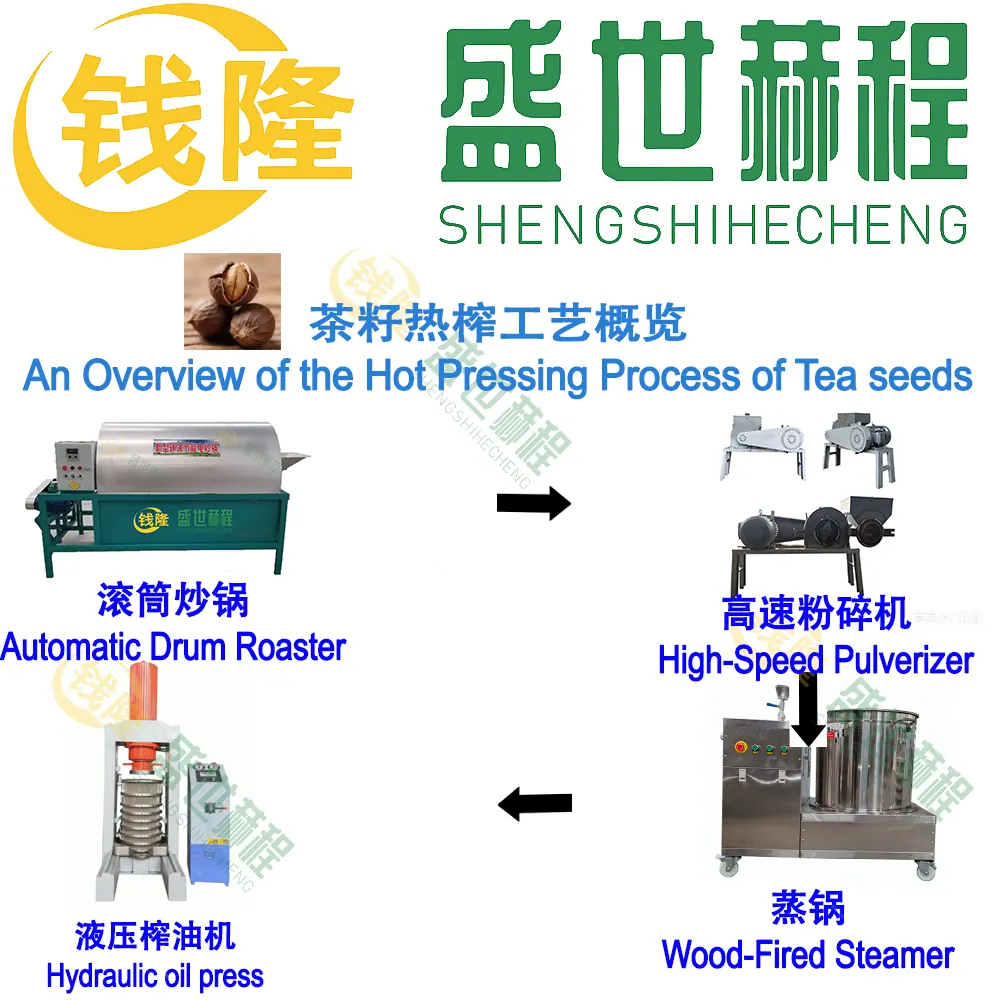
      • Tea seed oil hot pressing process: Tea seeds go through screening, cleaning, drying, crushing, steaming and stir-frying, then connected to hydraulic oil press barrel pressing.
      • Record the heating profile, oil temperature, color, sediment and the laboratory results required for the target tea-seed oil.
      • Tea seed hot pressing process
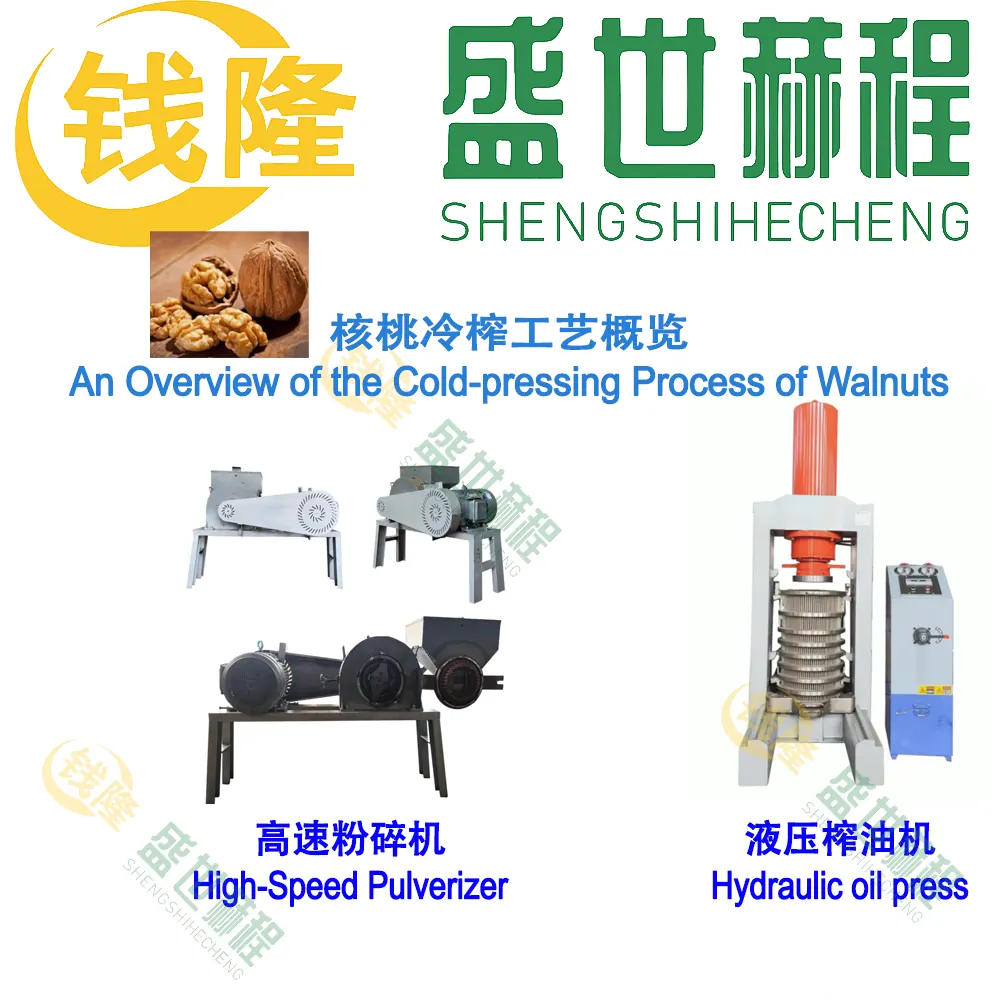
    • Walnut direct cold pressing (not a 300/325 recommendation)
      • For cleaning, optional low-temperature drying, crushing, and direct hydraulic cold pressing, evaluate the 355-500 series. Do not add default high-temperature conditioning between crushing and pressing.
      • Walnut direct cold-press reference media
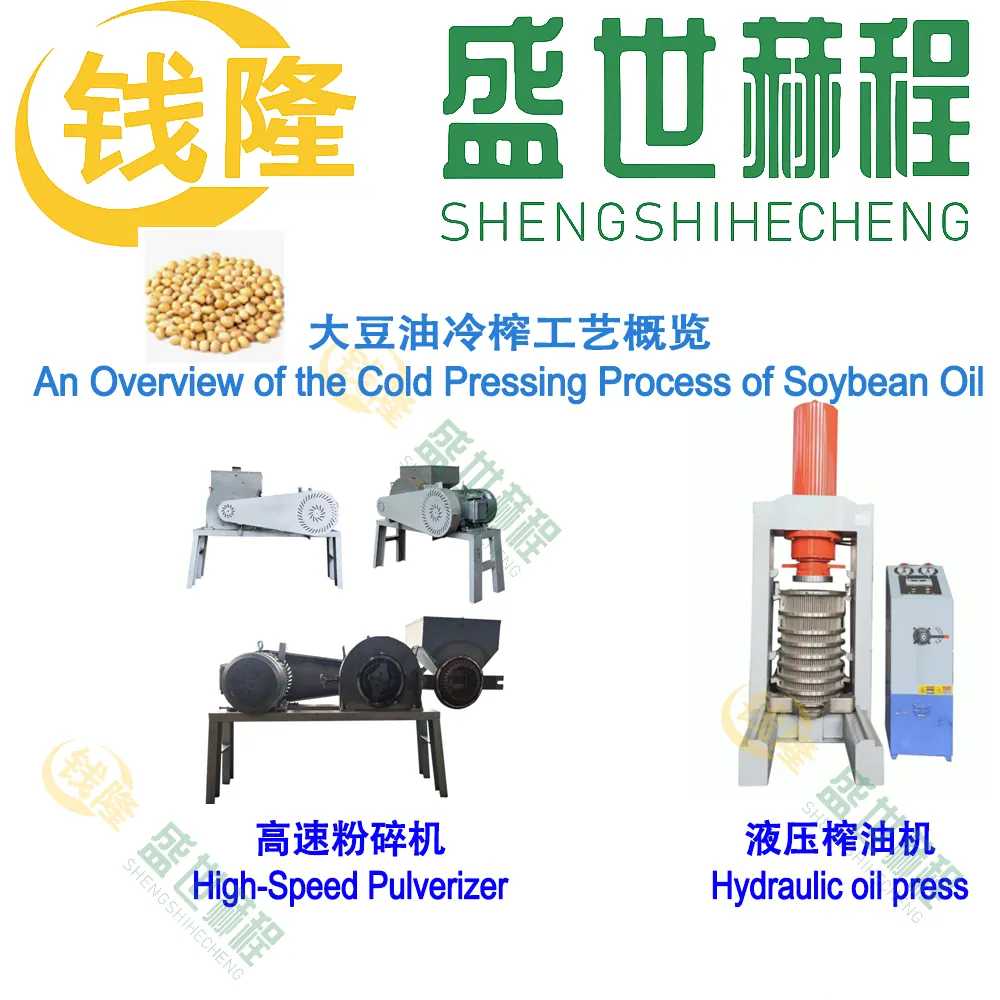
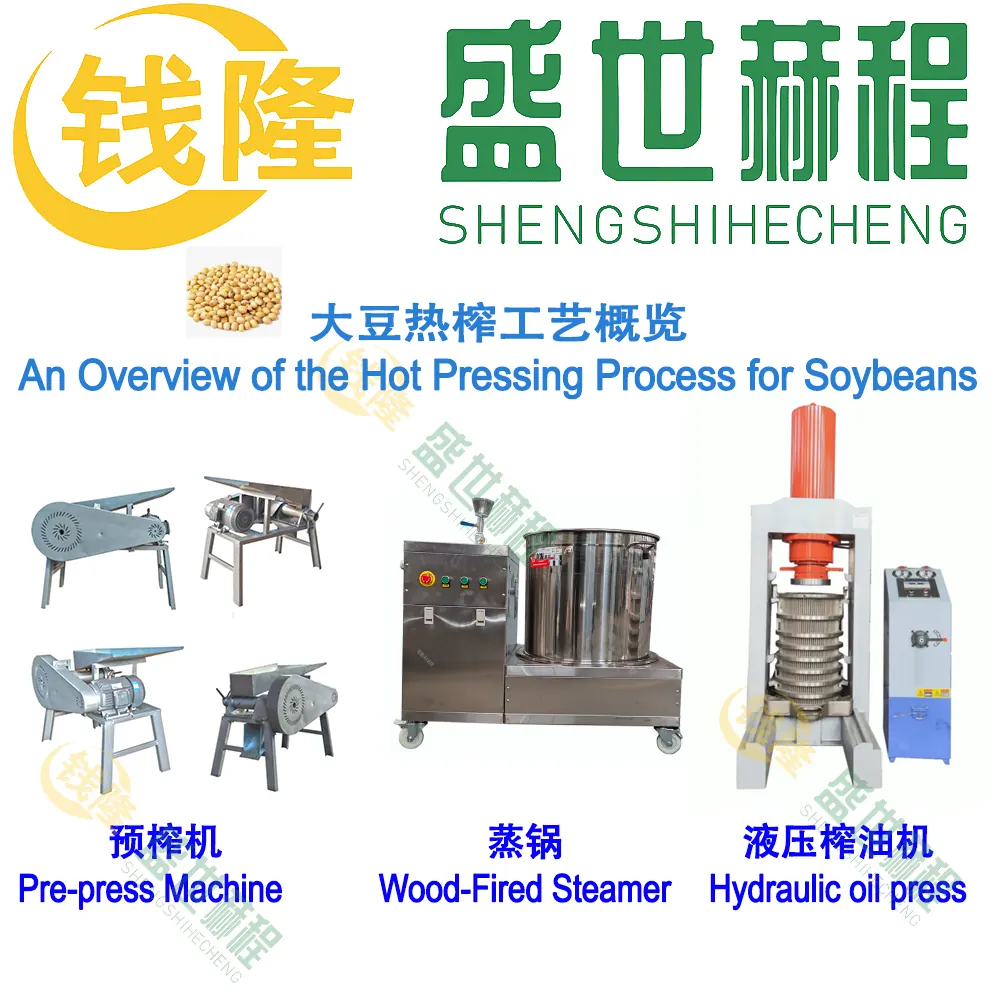
    • Soybean (outside the default 300/325 recommendation)
      • The existing process media are retained as historical references only. Do not use them to select or accept a 300/325 line; soybean feasibility requires separate process, safety, and commercial review.
      • Archived soybean process reference
      • Archived soybean process reference
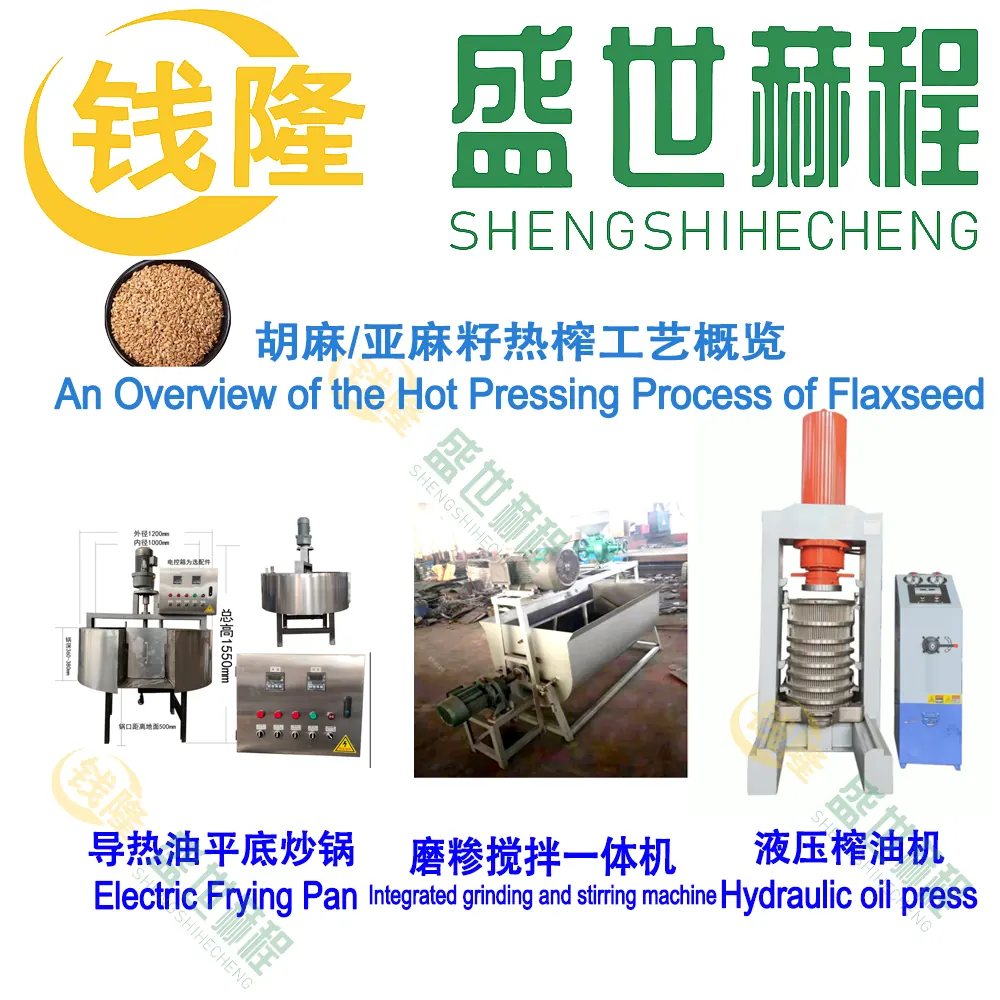
    • Flax/Flaxseed (Recommended 300AC-390)
      • Flax/Flaxseed hot pressing process: Flax seeds go through heating and stir-frying + grinding and stir-frying, then placed into hydraulic oil press barrel pressing.
      • Flax/Flaxseed hot pressing process
      • Flaxseed hot-press trial: record crushing, heating profile, feed temperature, net filtered oil, sediment and cake residual oil before approving the route.
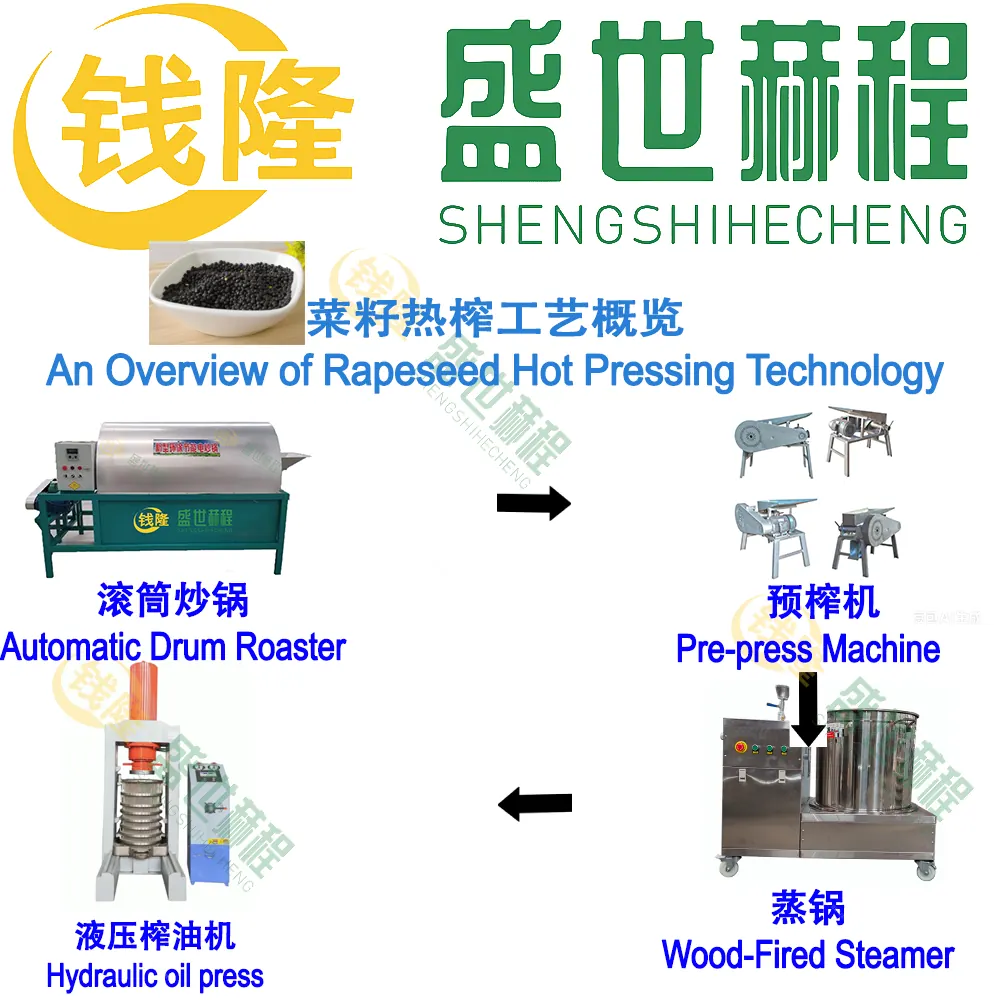
    • Rapeseed (Recommended 300AC-390)
      • Rapeseed oil hot pressing process: Rapeseeds go through cleaning, crushing, stir-frying and steaming processes, then placed into hydraulic oil press barrel pressing.
      • Record conditioning, press temperature, net filtered oil, cake residual oil, color and aroma against the agreed product specification.
      • Rapeseed hot pressing process
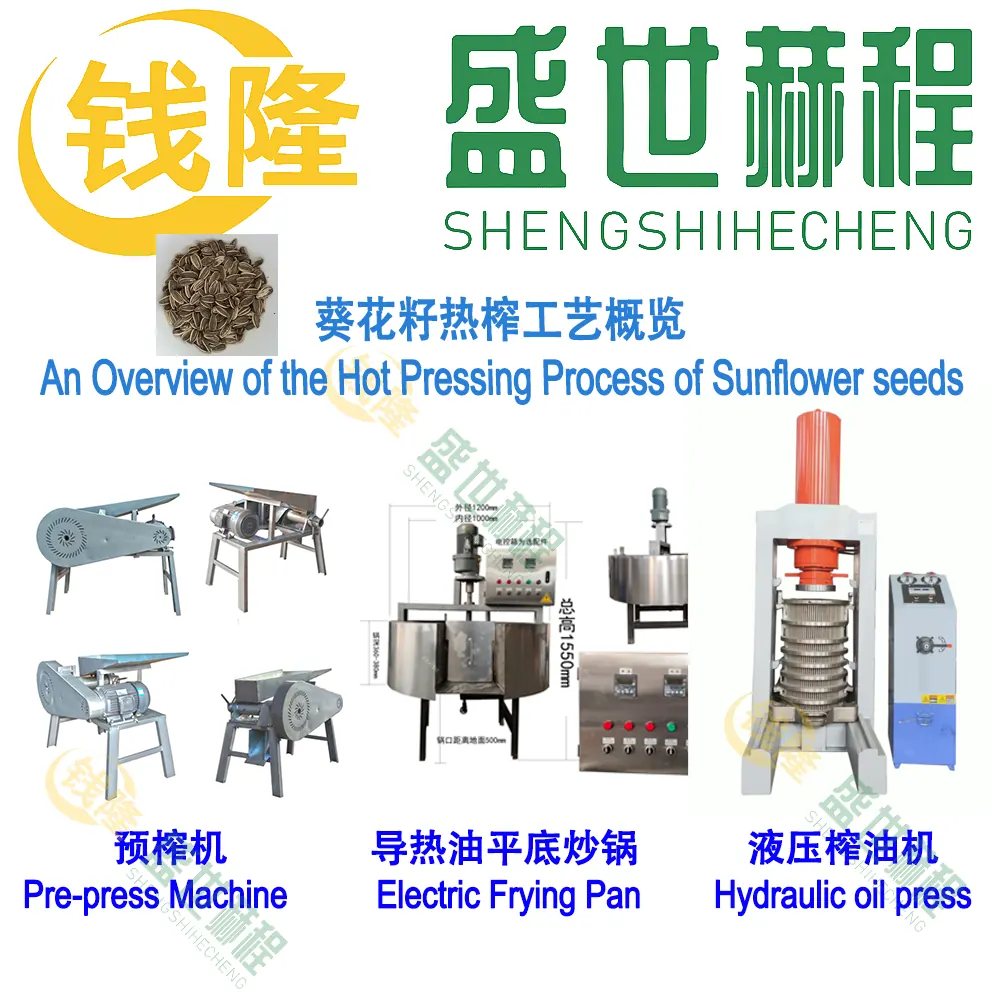
    • Sunflower seed (Recommended 300AC-390) + Sunflower seed oil hot pressing process: Sunflower seeds go through cleaning, crushing, and stir-frying processes, then placed into hydraulic oil press barrel pressing. Sunflower seed oil hot pressing process
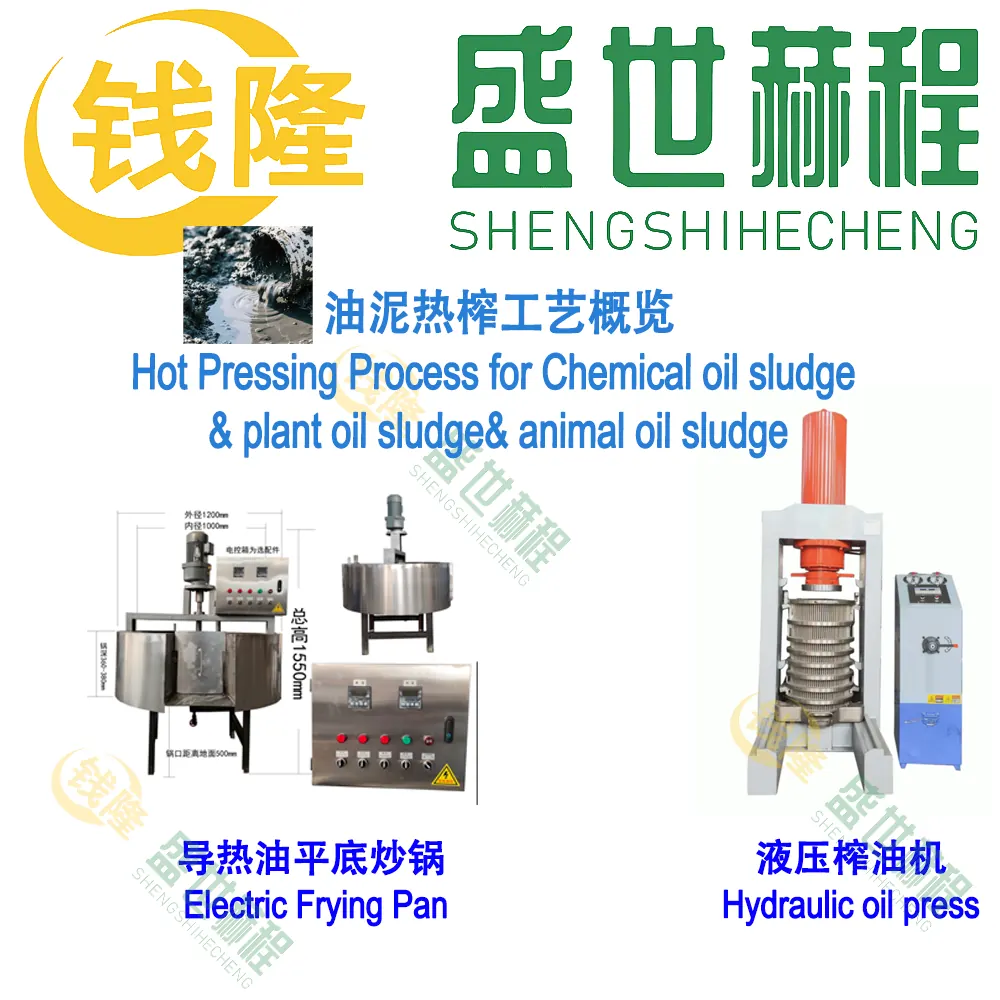
    • Oil sludge (outside standard edible-oil and 300/325 selection scope)
      • Existing media are retained for record only and make no process, capacity, food-safety, or compliance claim.
      • Archived non-standard material process media
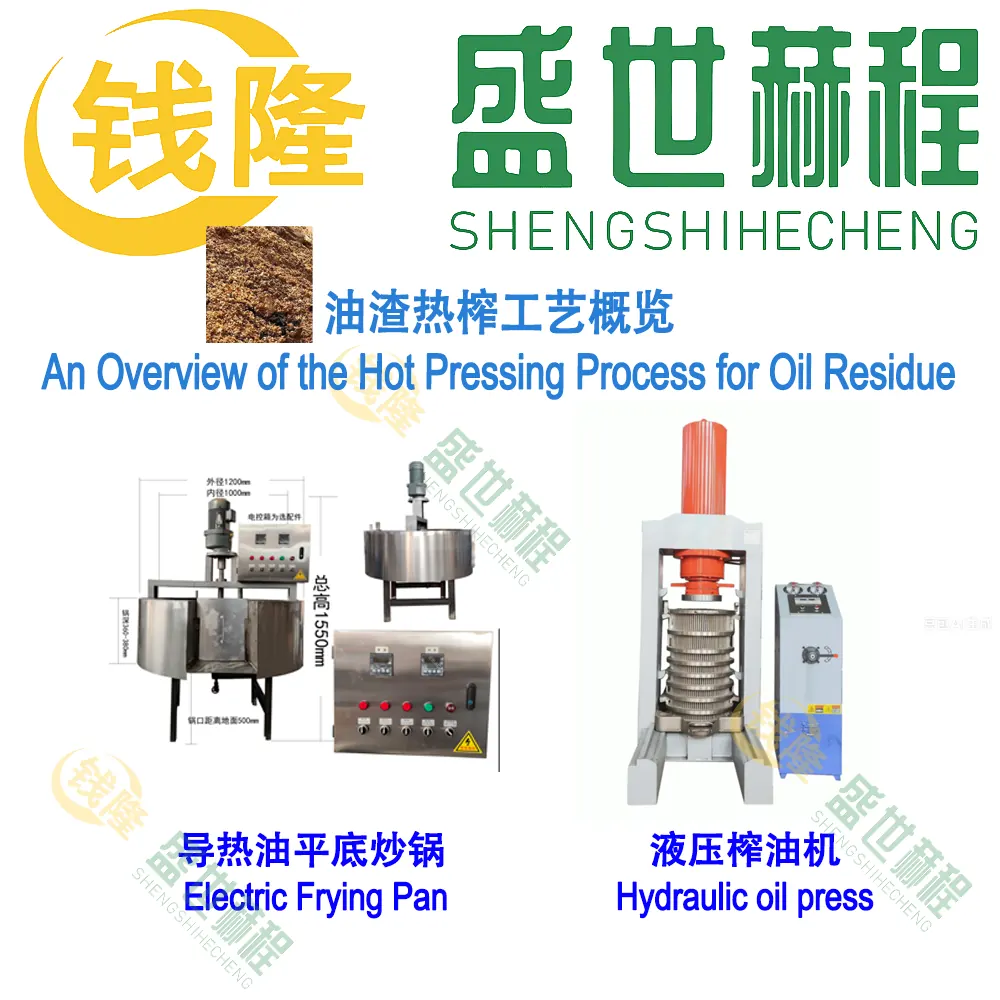
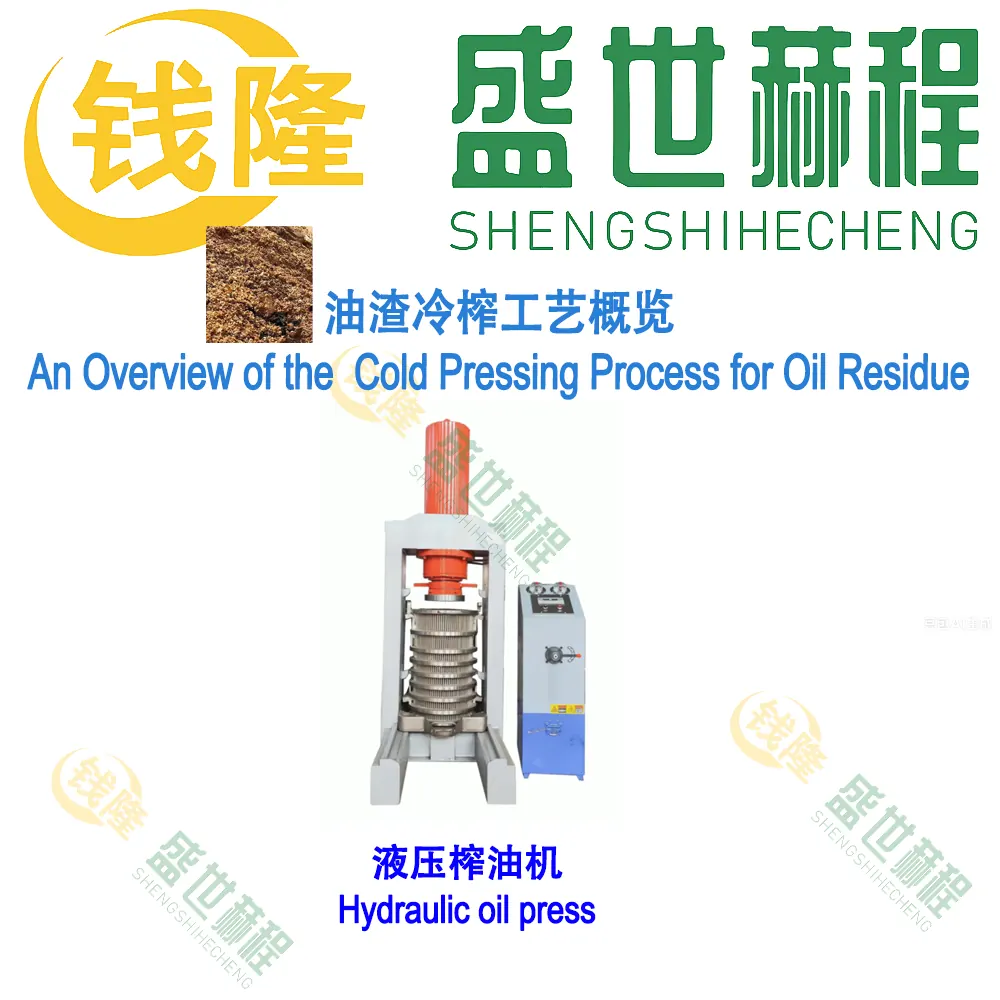
    • Oil residue (outside the default 300/325 recommendation)
      • Existing media are retained for record only; a non-standard residue route requires separate material characterization, compliance review, and witnessed testing.
      • Archived non-standard material process media
      • Archived non-standard material process media
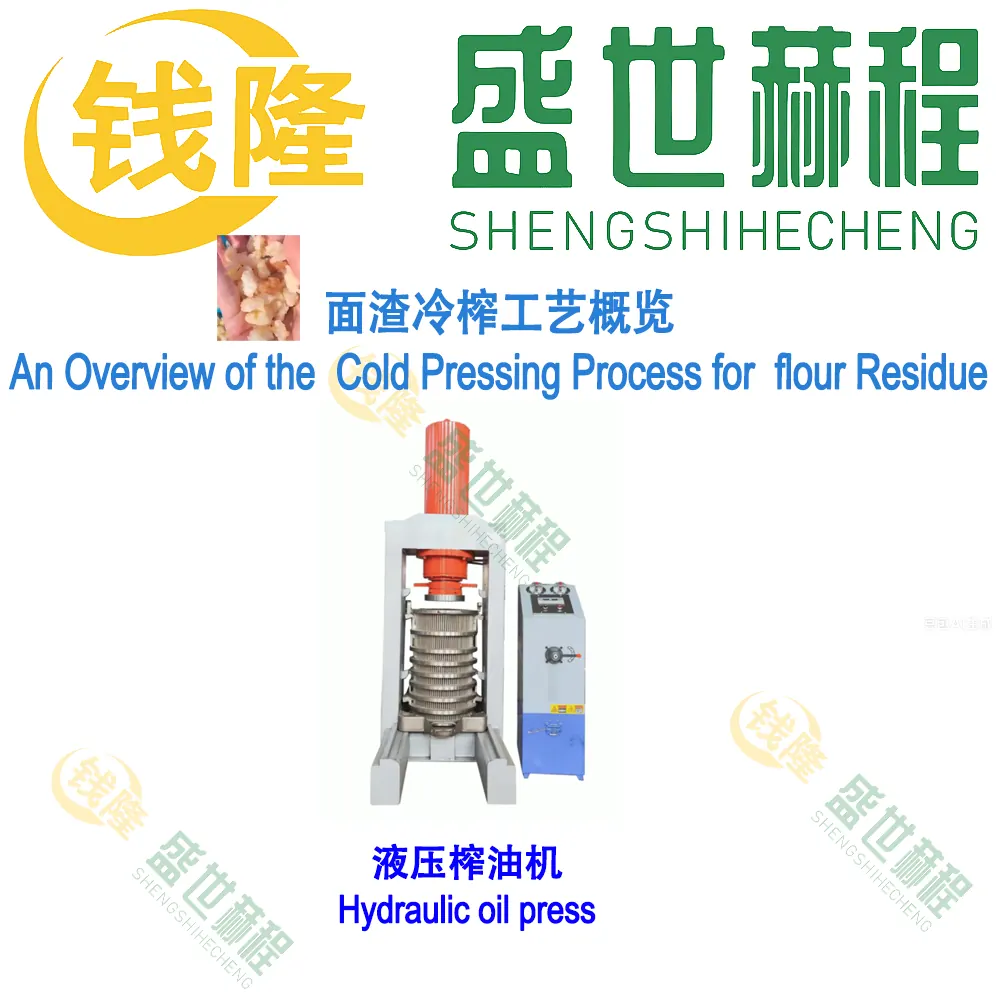
    • Meal residue (outside the default 300/325 recommendation)
      • Existing media are retained for record only; they are not a route, model, yield, or acceptance recommendation.
      • Archived non-standard material process media
      • Archived non-standard material process media
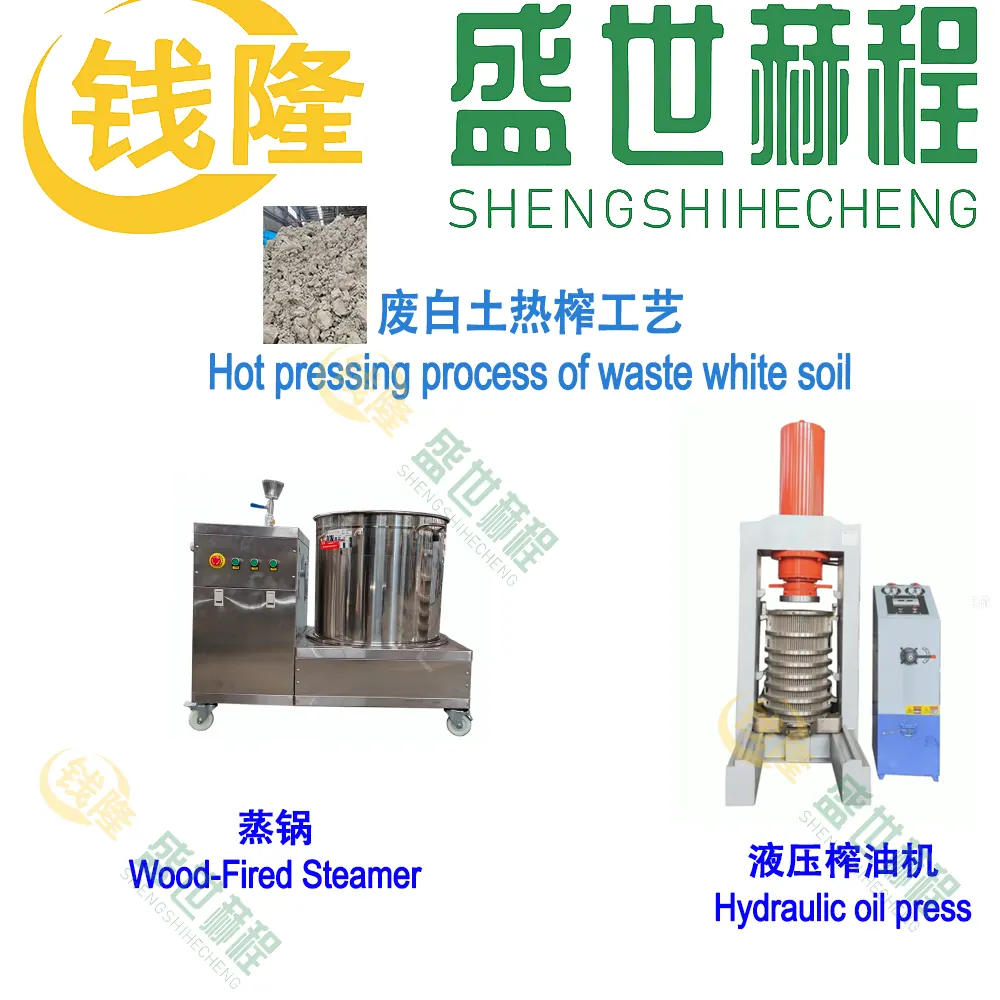
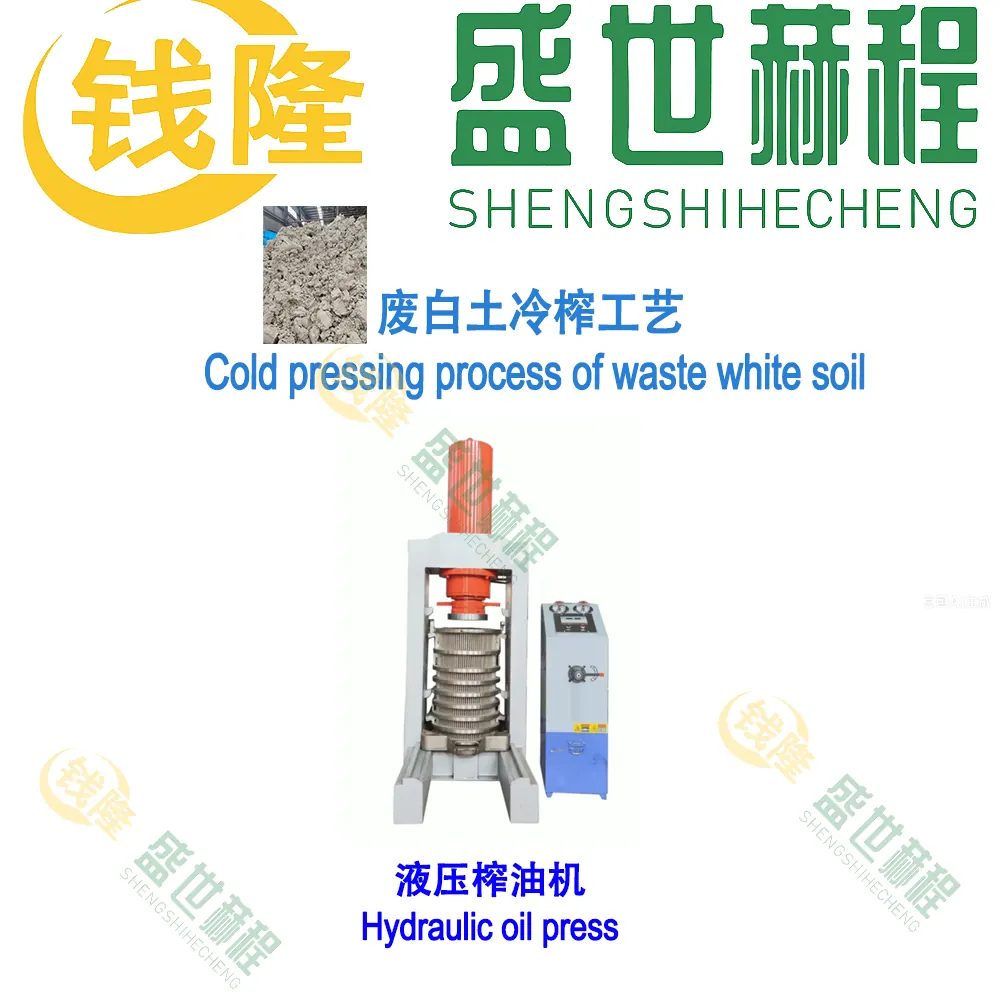
    • Waste bleaching clay (outside standard edible-oil and 300/325 selection scope)
      • Existing media are retained for record only. Recovery, disposal, safety, and environmental obligations require a separate compliance review and are not covered by this model recommendation.
      • Archived non-standard material process media
      • Archived non-standard material process media
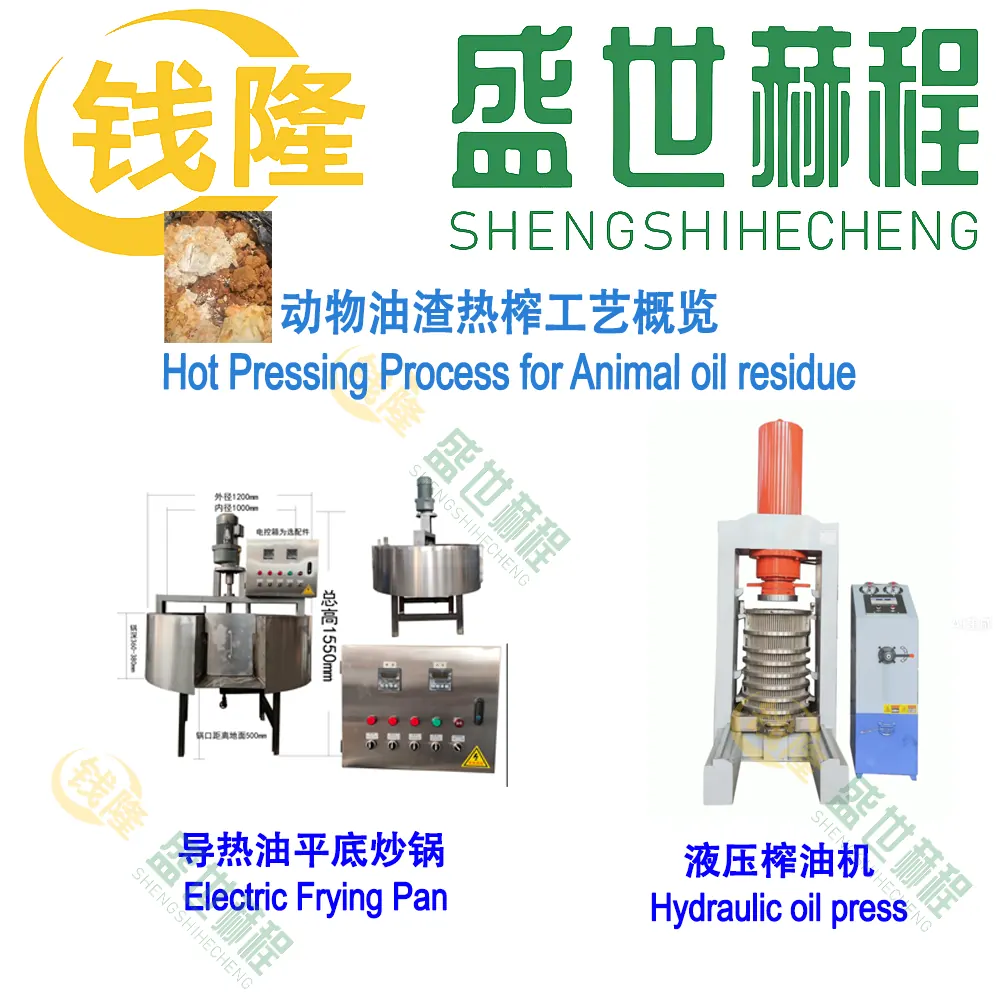
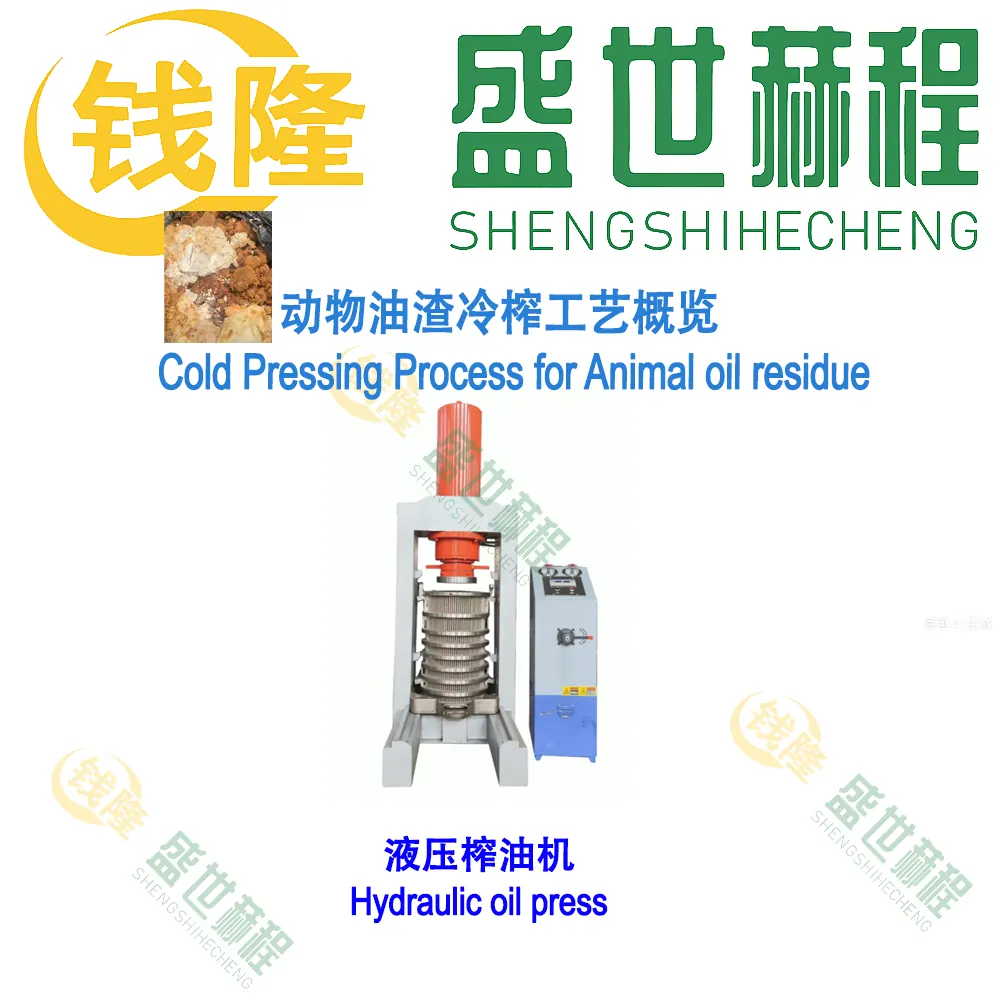
    • Animal oil residue (outside standard edible-oil and 300/325 selection scope)
      • Existing media are retained for record only and are not a process, food-safety, or equipment-selection recommendation.
      • Archived non-standard material process media
      • Archived non-standard material process media
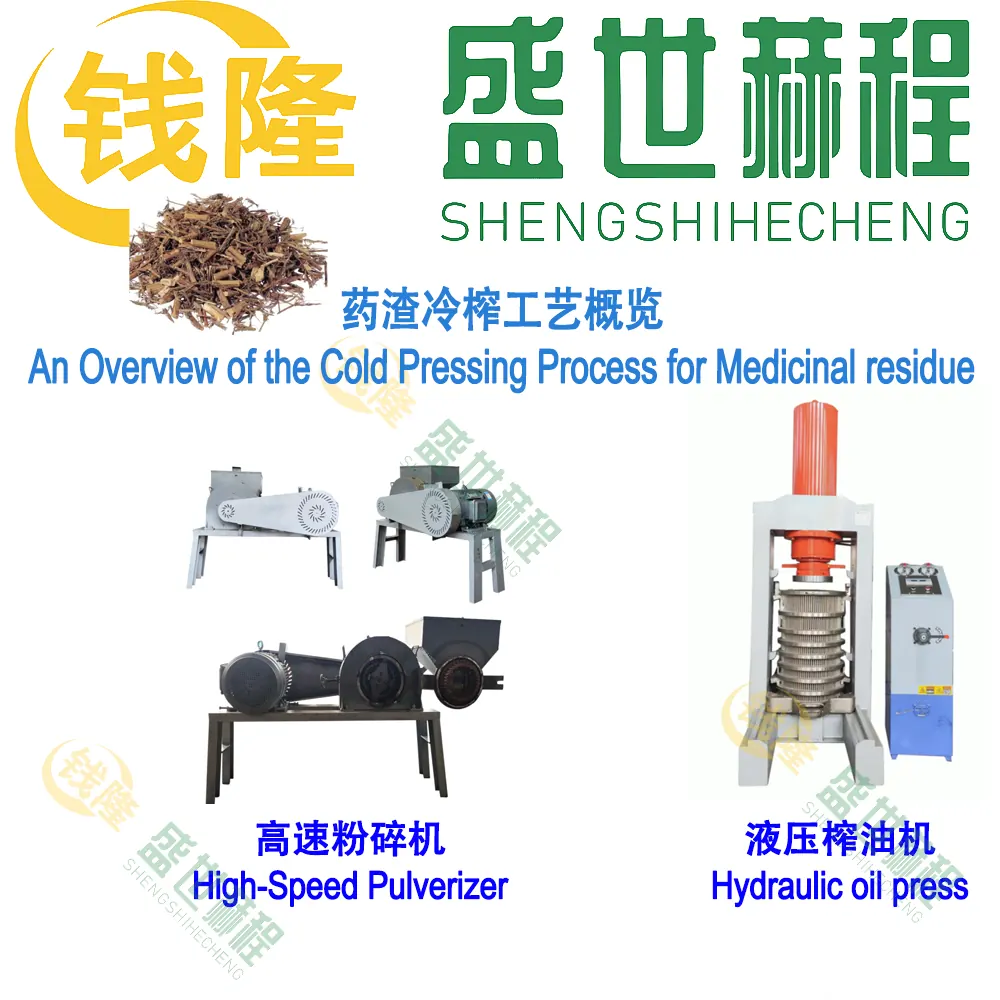
    • Medicinal residue (outside the default 300/325 recommendation)
      • Existing media are retained for record only; material safety, legal use, and process feasibility require separate review.
      • Archived non-standard material process media

General Technical Parameters

Standard Configuration

  • Main machine
  • Control system
  • Feeding device
  • Discharge system
  • Basic tool set

Optional Configuration

  • Automatic feeding system
  • Pre-auxiliary processing equipment
  • Post-filtration processing equipment

Items to Verify Before Purchase

  1. Record actual batch load, complete cycle, shift hours, cleaning, changeover, utilities, and labor with the quoted barrel and hot-press route.
  2. Confirm the supplied controls, sensors, filtration, heating equipment, and automation functions against the signed configuration list.
  3. Treat oil quality, net filtered oil, cake residual oil, energy use, staffing, and maintenance as trial or operating measurements, not fixed model promises.

After-sales Service

  • Warranty term, coverage, conditions, and exclusions follow the signed quotation and contract.
  • Installation, commissioning, training, maintenance, remote support, travel, and spare-parts lead times apply only as specifically listed in the commercial scope.
  • FAT and SAT protocols must state the test material, instruments, tolerances, pass criteria, corrective responsibility, witnesses, and sign-off.

Product Features

  1. Confirm steel grade, welding, machining and inspection records for the ordered unit.
  2. Treat pressure-control range and repeatability as acceptance items; they do not guarantee a fixed oil yield.
  3. Verify each quoted automation function during FAT/SAT rather than assuming a labor reduction.
  4. Establish maintenance work and operating cost from the delivered configuration and the buyer's duty cycle.

Application Range

  • Small oil mills
  • Family workshops
  • Rural cooperatives
  • Demonstration factories

Supporting Services

  • Installation and commissioning scope, travel, tools, schedule, and buyer responsibilities are defined in the quotation and contract.
  • Operator training, remote support, and maintenance are included only when listed in the signed quotation and contract.
  • SAT begins after the buyer provides the agreed utilities, site conditions, operators, and representative material.

Recommended next step

Turn this machine page into a purchase decision

Compare the right capacity, confirm the raw-material process and request a factory configuration before ordering.

Plan a complete production line

Match cleaning, crushing, roasting, pressing, filtering and filling equipment.

Open page
Choose the oilseed process

Review preparation and pressing routes for seeds, nuts and specialty materials.

Open page

Read buying and technical guides

Compare price, capacity, process, operation and startup requirements.

Open page

Request price and configuration

Send the material, target output and destination for a matched factory quote.

Request quote

Open the manufacturer website

Review additional machine, process and buyer resources on hydraulic-oil-press.com.

Open website

Machine Selection · Production Lines · Manufacturer Website