Compare machine models
Check hot-press, cold-press and small-shop models by batch capacity.
Open page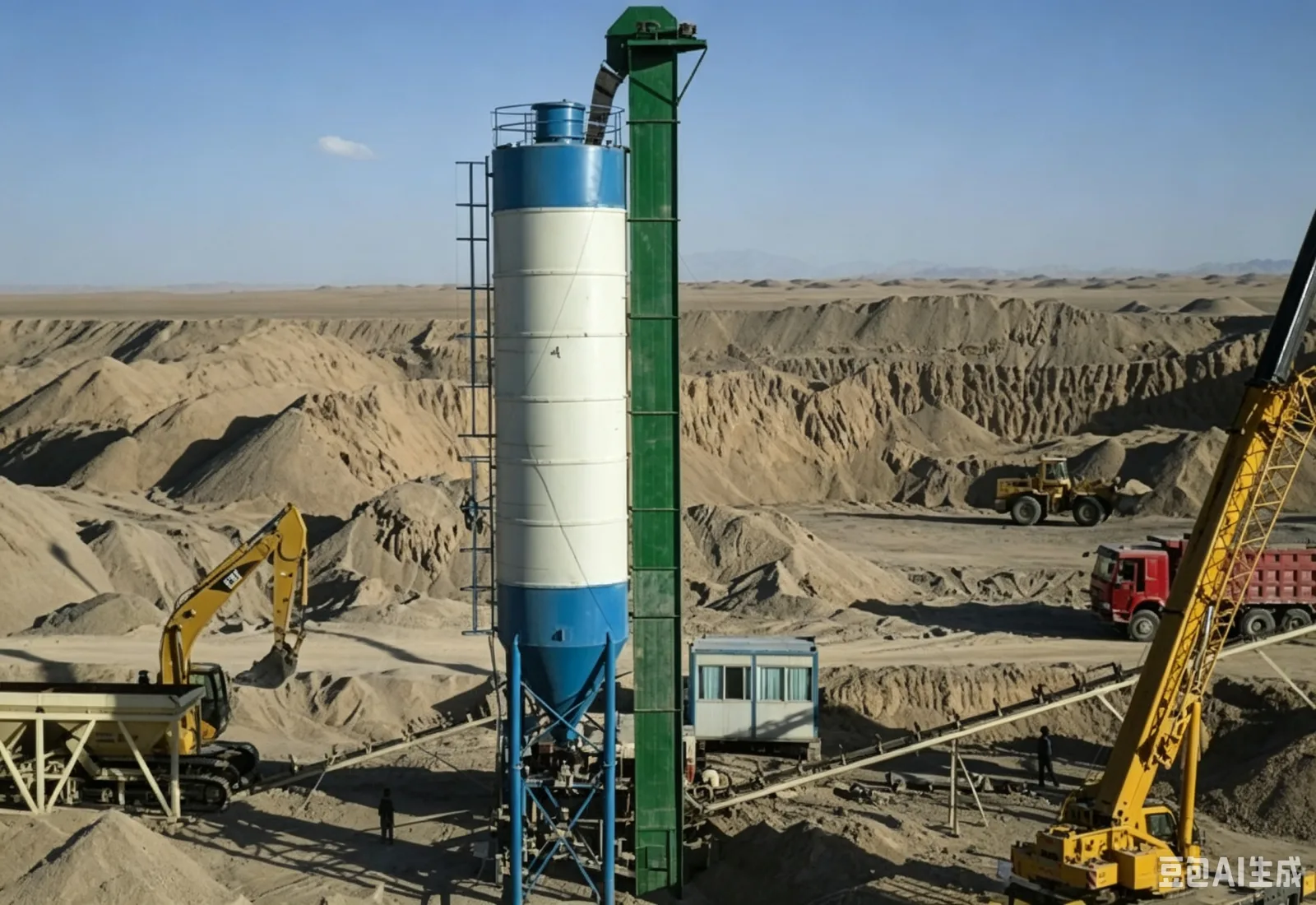
The TH ring-chain bucket elevator drives its buckets with ring chains for vertical conveying of granules, powders and qualifying small lumps. Its performance is closely tied to chain size, sprocket matching, bucket spacing, feeding method, lift height and material impact. For long-fiber, strongly adhesive or easily caking material, the risk of hang-up and jamming should be assessed first.
The ring chain, sprockets, buckets, casing, boot tensioning and drive should be reviewed as one system. Excessive upstream flow or drop height can cause bucket impact and boot accumulation, so the inlet position, buffering arrangement and feed rate cannot be ignored. Powder duties that require sealing must also define inspection, servicing and cleaning conditions.
The ring chain provides both traction and load carrying, and the chain, sprockets, bucket connections and tension state all interact. A mismatch between chain pitch and sprocket engagement, inadequate lubrication or service access, or excessive boot accumulation can all accelerate wear and change operating behavior. For granules or small lumps carrying some impact energy, the impact at the boot should be evaluated rather than judging conveyability by maximum lump size alone.
| Stage | Equipment components | Process issues to watch |
|---|---|---|
| Feeding | Inlet, guide plates, boot casing | Whether feeding is concentrated, and whether impact and accumulation occur |
| Lifting | Ring chain, buckets, casing | Chain loading, bucket spacing, wear and sealing |
| Tensioning | Boot tensioning mechanism | Travel, adjustment method, cleaning and personnel access |
| Discharge | Head section, sprockets, outlet chute | Carryback, drop height, dust and downstream capacity |
| Drive | Motor, gearbox and transmission parts | Starting torque, service position, protection and interlocks |
Installation should verify machine verticality, alignment of head and boot, chain tensioning, bucket fastening, sprocket guards and inspection-door sealing. Trial running begins by observing the no-load chain path and noise, then loading progressively with the confirmed material. Under load, record feeding, boot accumulation, discharge, carryback, current draw and abnormal vibration. Test data should use the project's real material or a representative substitute agreed by both parties; unsuitable test material must not stand in for acceptance testing.
Operating crews should watch for sudden increases in feed rate, discontinuous discharge, friction noise, abnormal chain swing or dust escape. At service intervals, inspect the chain links, sprocket tooth faces, bucket connections, tensioning mechanism and casing wear. Any work involving cleaning or entry into the machine must follow power isolation, upstream isolation and the site permit procedure.
Use the confirmed material to check feeding, loaded starting, lifting, discharge, carryback, chain tensioning, vibration and noise. The quotation should list chain, sprockets, buckets, drive, casing, tensioning, seals, platforms, guarding and the initial spare-parts set; the material and lead time for subsequent wear parts should be clarified at the same time.
Recommended next step
Connect pretreatment, pressing, filtration and packaging into one practical production route.
Check hot-press, cold-press and small-shop models by batch capacity.
Open pageMatch cleaning, crushing, roasting, pressing, filtering and filling equipment.
Open pageCompare price, capacity, process, operation and startup requirements.
Open pageSend the material, target output and destination for a matched factory quote.
Request quoteReview additional machine, process and buyer resources on hydraulic-oil-press.com.
Open website