Compare machine models
Check hot-press, cold-press and small-shop models by batch capacity.
Open page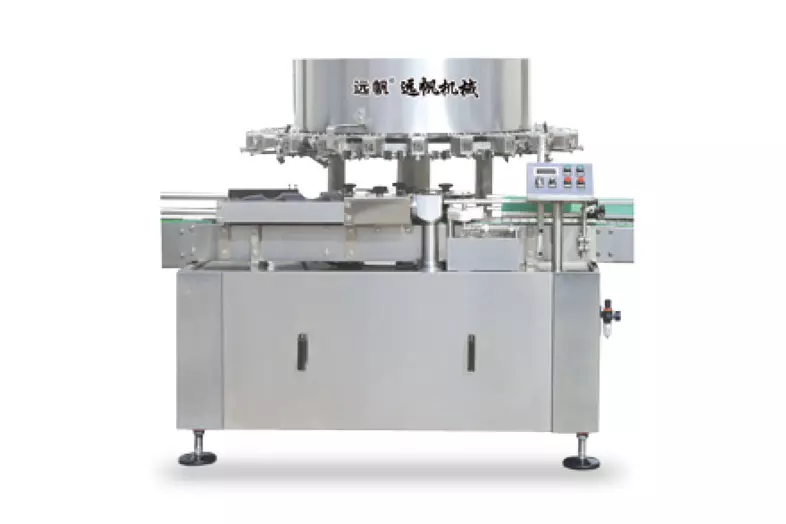
Light inspection provides a controlled viewing or detection point for filled containers. It can support checks for visible foreign matter, fill level, bottle condition or closure appearance, but the defect list and detection method must be agreed. The term inspection machine does not by itself mean that every defect is automatically detected or rejected.
Possible locations include:
The location affects lighting, bottle rotation, contamination control and the type of rejection system that may be required.
A purchase specification should state:
| Model | What to verify |
|---|---|
| Automatic light inspection machine | Lighting arrangement, bottle presentation, inspection scope and line interface |
Use the linked page for published model information. Detection performance requires an agreed defect set, approved containers and a documented test protocol.
Send filled and empty bottle samples, good and defective reference samples, product description, target output, inspection position, upstream/downstream equipment, required reject logic, data needs, layout, utilities and destination. Identify defects that are safety-critical and the validation responsibility for each.
FAT should use the agreed good and seeded-defect samples under a written challenge method. Record detection or operator-visibility criteria, false rejects where applicable, bottle transfer, changeover and interlocks. Validation, local quality approval, installation, travel, training, spare lights or sensors and support terms must be explicitly priced and contracted.
Provide the package and defect definition to receive an inspection scope and itemized manufacturer quote.
Recommended next step
Connect pretreatment, pressing, filtration and packaging into one practical production route.
Check hot-press, cold-press and small-shop models by batch capacity.
Open pageMatch cleaning, crushing, roasting, pressing, filtering and filling equipment.
Open pageCompare price, capacity, process, operation and startup requirements.
Open pageSend the material, target output and destination for a matched factory quote.
Request quoteReview additional machine, process and buyer resources on hydraulic-oil-press.com.
Open website