Compare machine models
Check hot-press, cold-press and small-shop models by batch capacity.
Open page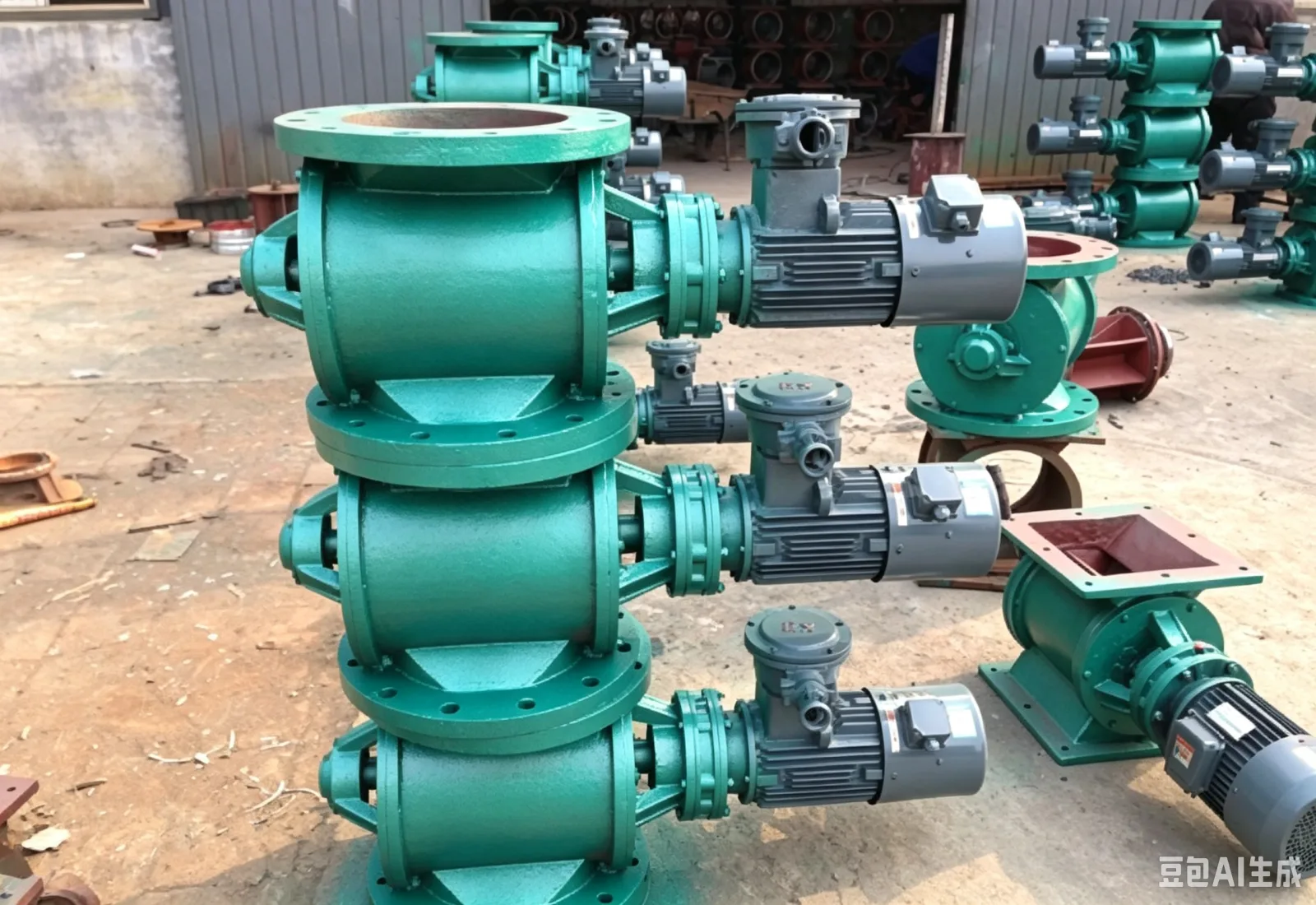
Used for bin discharge and airlock duty where temperature, dust or pressure-difference requirements apply. Equipment in this category cannot be ordered on the strength of the words "explosion-proof" or "high-temperature" alone: material temperature, casing surface temperature, site area classification, dust characteristics, bearing arrangement and seal type all affect which construction is acceptable and which documentation is required.
Hot material can affect casing thermal expansion, rotor clearance, lubrication and seal life. Where hazardous-area suitability is required, the project owner should provide the applicable zone, temperature class, dust rating or local standard. The motor, wiring, drive, guarding and nameplate documentation are then confirmed against those conditions — a generic product name is not a substitute for certification and verification.
Material temperature and equipment surface temperature should be stated separately. The first affects thermal expansion of the casing, rotor, shaft and seals; the second affects personnel protection on site, adjacent electrical equipment and area assessment. Where temperature swings widely, rotor clearance in both cold and hot condition, bearing isolation, lubrication conditions and seal life must all be considered. Whether outboard bearings, a thermal break section, cooling or temperature monitoring are needed should be decided from the actual thermal duty.
Suitability for a dust hazardous area involves the material itself, process concentration, area classification, ignition-source control, electrical equipment and installation method. The word "explosion-proof" in an equipment name does not replace the zoning data and regulatory requirements at the project location. The project owner should supply the zone drawing, applicable standards and electrical parameters; the equipment proposal should then state which components meet those requirements and which site protections or system-level measures fall to other parties.
| Item | Why it matters | Data the project must confirm |
|---|---|---|
| Material and ambient temperature | Determines clearance, sealing and bearing arrangement | Normal, maximum, fluctuating and post-shutdown temperatures |
| Bearings and seals | Determine thermal isolation, lubrication and maintenance method | Allowable temperature rise, pressure difference, dust and media limits |
| Drive and wiring | Governs electrical suitability and interlocking | Voltage, frequency, area classification data, mounting position |
| Casing and rotor material | Affects thermal expansion, wear and cleaning | Material corrosiveness, abrasiveness and contact requirements |
| Monitoring and protection | Helps detect abnormal operating conditions | Temperature, speed, blockage, emergency stop and control interfaces |
Avoid letting hot material impact the seal or bearing area directly; where necessary, add buffering, thermal insulation or a guide structure upstream. Before start-up, check that the rotor turns freely, lubrication meets requirements, and wiring and earthing are complete, and confirm that the upstream and downstream systems are in a permitted operating state. If abnormal temperature rise, friction noise, powder leakage or increased rotational resistance occurs, shut down and investigate under the site safety procedure — do not keep running by raising speed or temporarily removing guarding.
Acceptance testing can include no-load running, continuity under load, temperature rise, sealing, noise, interlocks and document review. The quotation should itemize the mechanical body, drive, electrical suitability, seals, insulation or cooling arrangement, instrumentation, spare parts and site service scope. Final area suitability and installation acceptance follow the regulations at the project location and the written technical agreement.
Recommended next step
Connect pretreatment, pressing, filtration and packaging into one practical production route.
Check hot-press, cold-press and small-shop models by batch capacity.
Open pageMatch cleaning, crushing, roasting, pressing, filtering and filling equipment.
Open pageCompare price, capacity, process, operation and startup requirements.
Open pageSend the material, target output and destination for a matched factory quote.
Request quoteReview additional machine, process and buyer resources on hydraulic-oil-press.com.
Open website