Plan a complete production line
Match cleaning, crushing, roasting, pressing, filtering and filling equipment.
Open page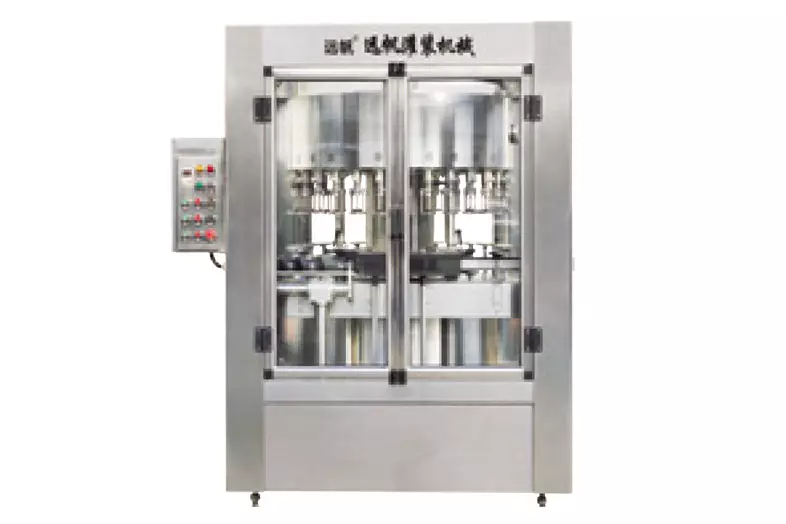
GFP-24H is the 24-head reference in this series. The published table states 6,000 bottles/hour, 1.85 kW and an overall size of 1900 x 1900 x 2200 mm. It is a candidate for a mid-rate glass-bottle line when level appearance and foam behavior are more important than dosing by weight, subject to bottle and liquid trials.
Low-vacuum constant-level filling meters to a visible level rather than to mass. The published 6,000 bottles/hour figure is a reference condition, not a guaranteed complete-line result.
The table is retained exactly as published. Final compatibility, sustained output and supplied components must be stated in the technical quotation and acceptance protocol.
| Project | Parameters |
|---|---|
| Model | GFP-24H |
| Number of filling heads | 24 |
| Reference output | 6000 bottles/hour |
| Total power | 1.85 kW |
| Overall dimensions | 1900×1900×2200 mm |
| Filling method | Low vacuum/constant level filling |
| Applicable liquids | Wine, rice wine, soy sauce, vinegar and other easily foaming liquids |
Evaluate GFP-24H for a rigid-bottle, non-carbonated project where a common visual level is the required result. The bottle finish must work with the proposed valve, and the liquid must remain pumpable and controllable at its real filling temperature. Potentially foaming still liquids need a sample run, including the expected dissolved-gas condition.
Select a different technology study for sparkling products, liquids carrying fruit pieces or sediment, very viscous sauces, deformable bottles or contracts that define quantity by weight. The published application row is a starting point, not a substitute for these checks.
A 24-head carousel cannot by itself promise 6,000 accepted bottles each hour. The technical offer must connect that reference to the approved bottle, liquid and complete line.
A 24-head project often exposes mismatches between filling and closure. Specify the closure type, cap or cork feed rate, permitted accumulation and restart sequence before finalizing the filler controls.
Show the product route from filtration and buffer tank to the filler, including pressure or level assumptions, return handling and cleaning connections. On the bottle route, freeze the rinser discharge, transfer geometry, closure machine, cap or cork feed, inspection point and labeler entry. Add agreed accumulation and control handshakes to the drawing.
For mixed formats, purchase the complete set of guides and lift parts with an identification list. Define how residual liquid is recovered, where the circuit drains and which components operators remove between products.
The RFQ should state liquid characteristics, temperature range, foam tendency and cleaning chemistry; bottle and neck drawings plus samples; target level; closure and label format; sustained accepted output; operating calendar; plant layout; existing conveyors; electrical and utility standards; shipping destination; and the desired division of installation work.
Test the agreed normal line rate with production bottles, not only the filler at an unloaded reference speed. Verify level appearance after bottles have passed through the actual closure and conveyor sections.
FAT evidence should come from production-representative bottles and liquid, or from a substitute approved in writing. Agree the normal line rate, run duration, sample plan, liquid-level tolerance, foam limit, closure-transfer observation and treatment of blocked or starved conditions. Carry only explicitly listed checks forward to SAT.
Request a price breakdown for base filler, format equipment, liquid and vacuum connections, conveyors, enclosure, controls, documentation and optional line machines. Export packing, shipment, installation, commissioning, training, warranty, wear parts and service visits require their own written terms and destination assumptions.
Quote GFP-24H as part of a balanced line. Share the bottle, closure and product package via the project contact page.
Recommended next step
Compare the right capacity, confirm the raw-material process and request a factory configuration before ordering.
Match cleaning, crushing, roasting, pressing, filtering and filling equipment.
Open pageReview preparation and pressing routes for seeds, nuts and specialty materials.
Open pageCompare price, capacity, process, operation and startup requirements.
Open pageSend the material, target output and destination for a matched factory quote.
Request quoteReview additional machine, process and buyer resources on hydraulic-oil-press.com.
Open website