Plan a complete production line
Match cleaning, crushing, roasting, pressing, filtering and filling equipment.
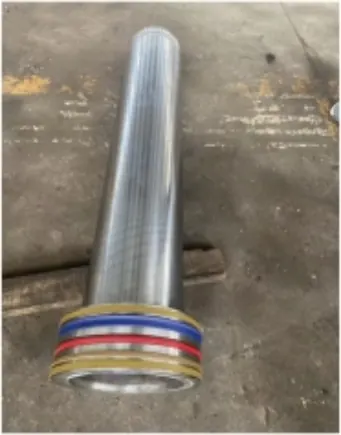
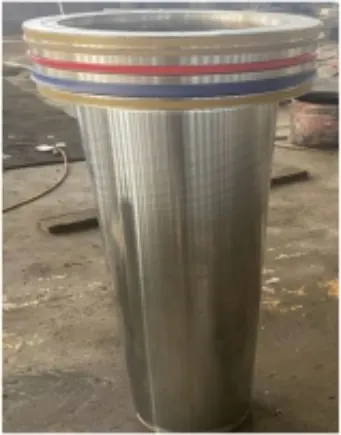
Open pageThe hydraulic cylinder is the main actuator in a hydraulic oil press. It converts oil pressure from the pump station into linear pressing force. For machine comparison, cylinder bore, working pressure, stroke, guidance, seals and the complete press structure must be reviewed together.
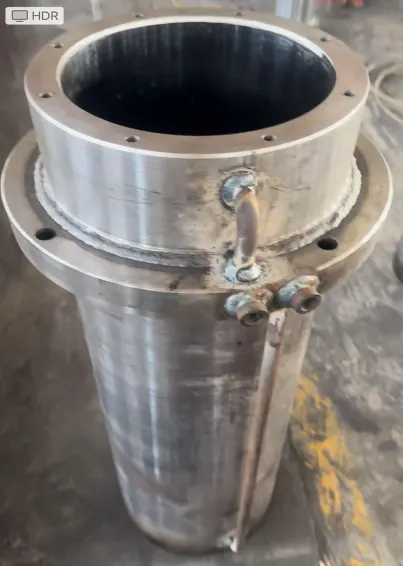
The theoretical cylinder force is:
[ F = P \times A ]
For a circular piston:
[ A = \frac{\pi D^2}{4} ]
When pressure is stated in MPa and area in mm², remember that 1 MPa equals 1 N/mm². The calculated value is not automatically the usable force at the material. Seal friction, hydraulic losses, structural deflection, pressure-control settings and the pressing-basket geometry must also be considered.
Cylinder speed is related to oil flow:
[ v = \frac{Q}{A} ]
This is why a larger cylinder can increase theoretical force at the same pressure but may move more slowly if pump flow is unchanged.
Before comparing cylinder price or requesting a replacement, ask the manufacturer for:
Do not compare machines only by a single MPa or tonnage number. A useful quotation should connect the cylinder data to the selected machine model, raw material, batch load and required production cycle.
Recommended next step
Compare the right capacity, confirm the raw-material process and request a factory configuration before ordering.
Match cleaning, crushing, roasting, pressing, filtering and filling equipment.
Open pageReview preparation and pressing routes for seeds, nuts and specialty materials.
Open pageCompare price, capacity, process, operation and startup requirements.
Open pageSend the material, target output and destination for a matched factory quote.
Request quoteReview additional machine, process and buyer resources on hydraulic-oil-press.com.
Open website