Compare machine models
Check hot-press, cold-press and small-shop models by batch capacity.
Open pagePublished: March 1, 2025Category: Technical Knowledge
When investing in oil pressing equipment, one of the most important decisions is choosing between a hydraulic oil press and a screw (expeller) press. Both technologies extract oil from oilseeds, but they differ significantly in performance, cost, and application.
This guide provides a visual, side-by-side comparison to help you choose the right machine for your oil quality target, daily output, raw material, and budget.
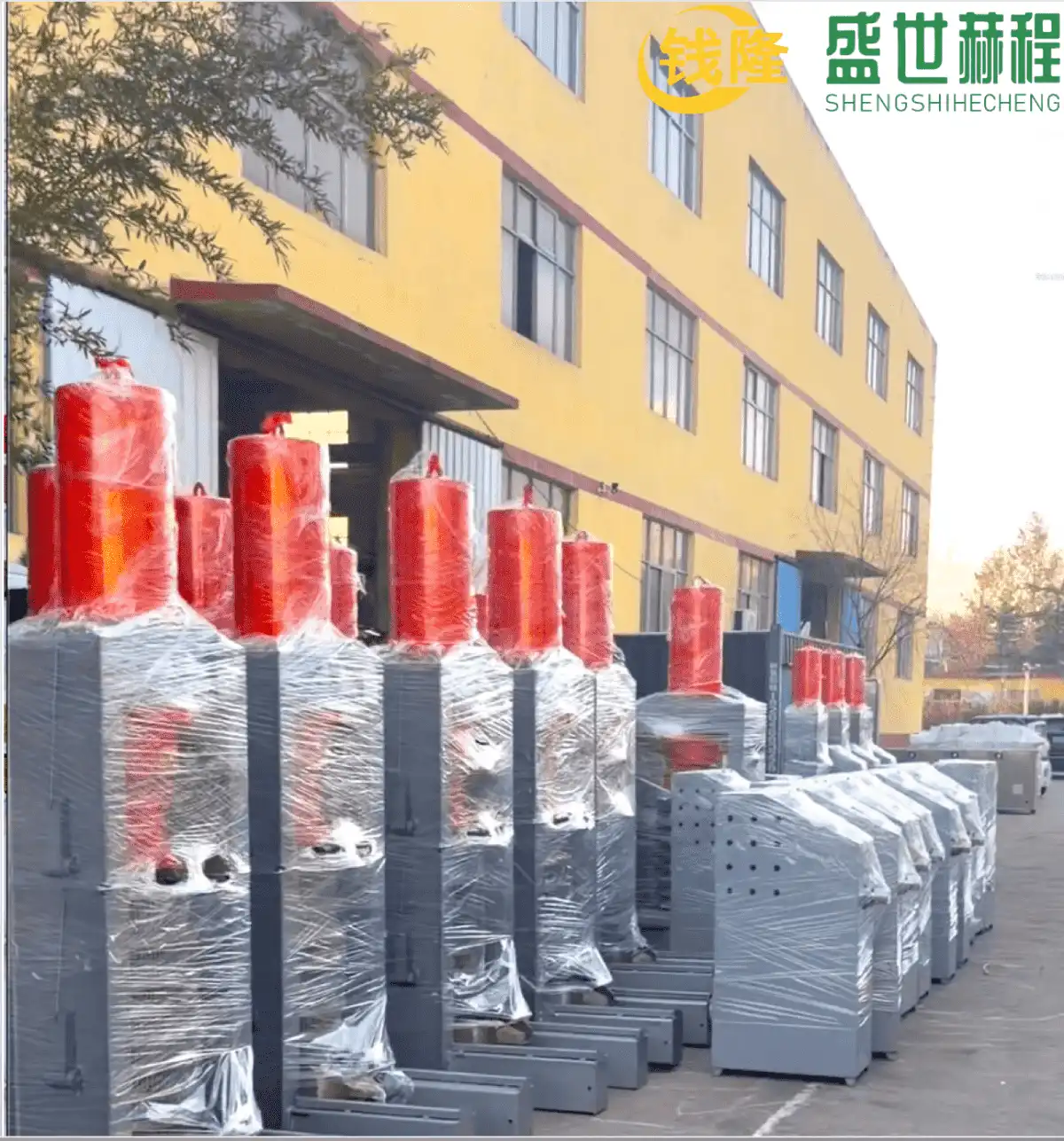
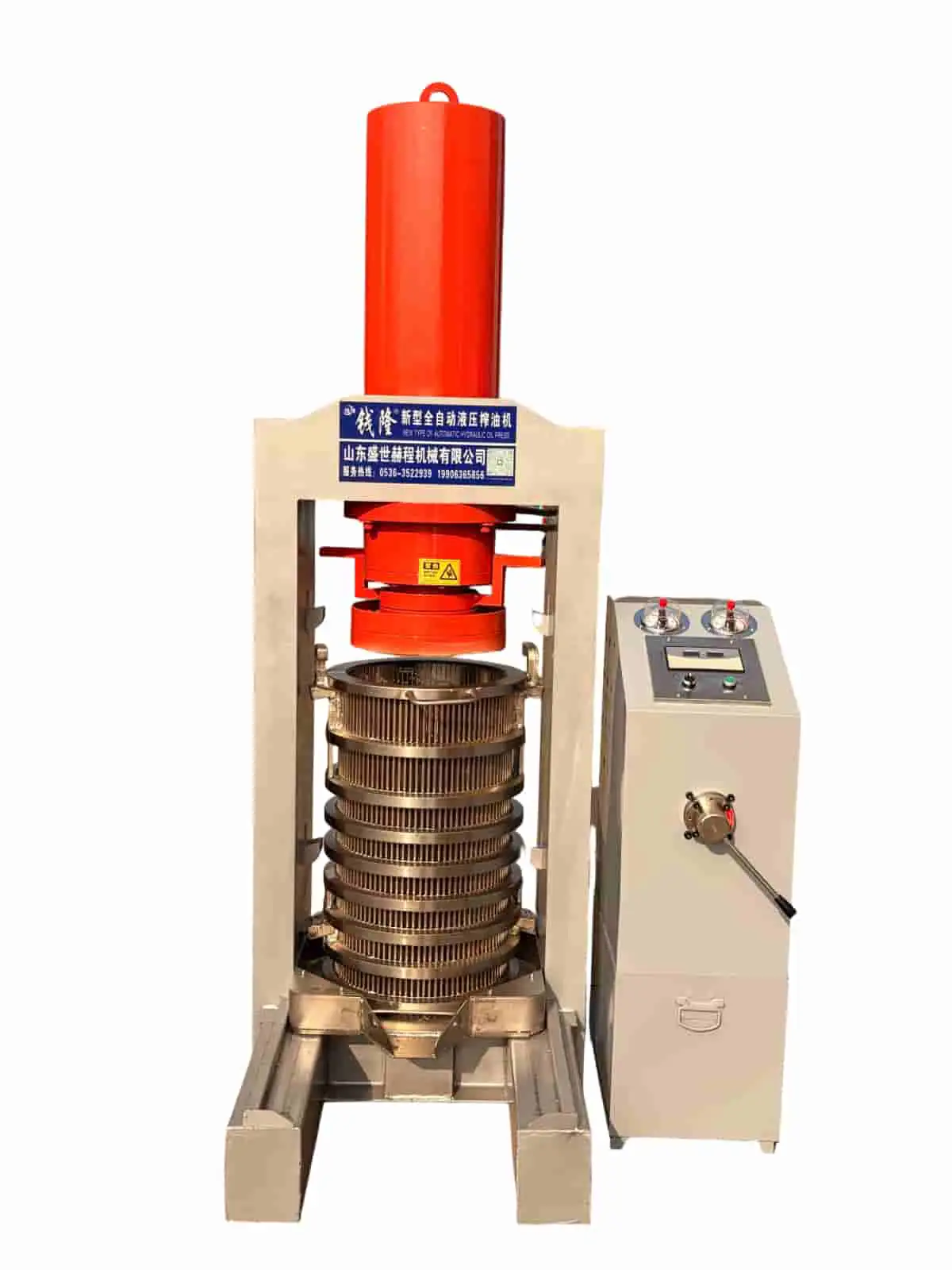
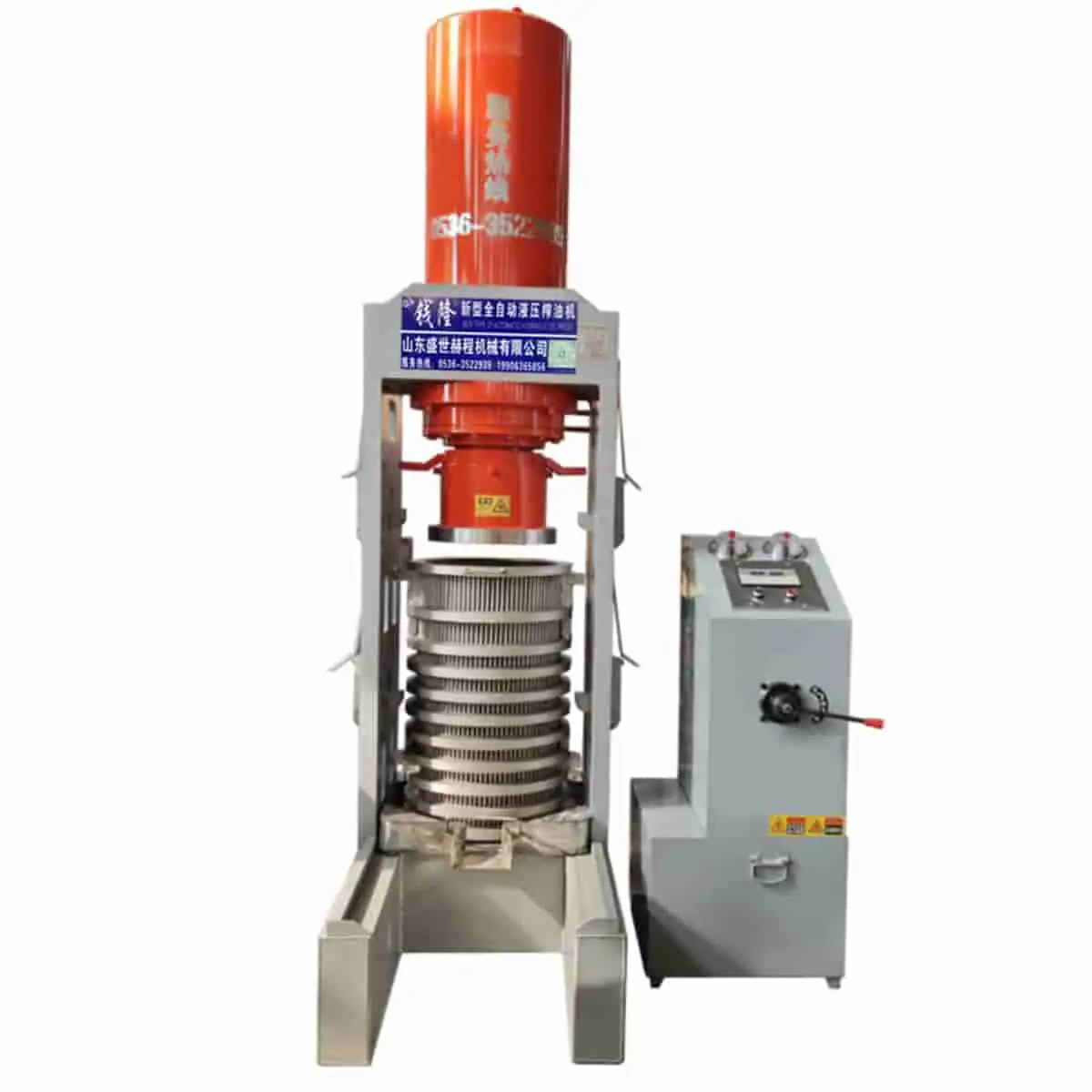
A hydraulic oil press uses hydraulic cylinder pressure to squeeze oil from prepared oilseeds placed inside a barrel. It works in batches and can provide controlled pressure, but oil quality and recovery still depend on the raw material, process route, barrel, cycle, and measurement method.
Key principle: Hydraulic fluid transmits force → piston compresses oilseed → oil flows out through drainage slots.
Common models: 300, 325, 355, 400, 426, 480, 500 series (named by total pressing force in tons).
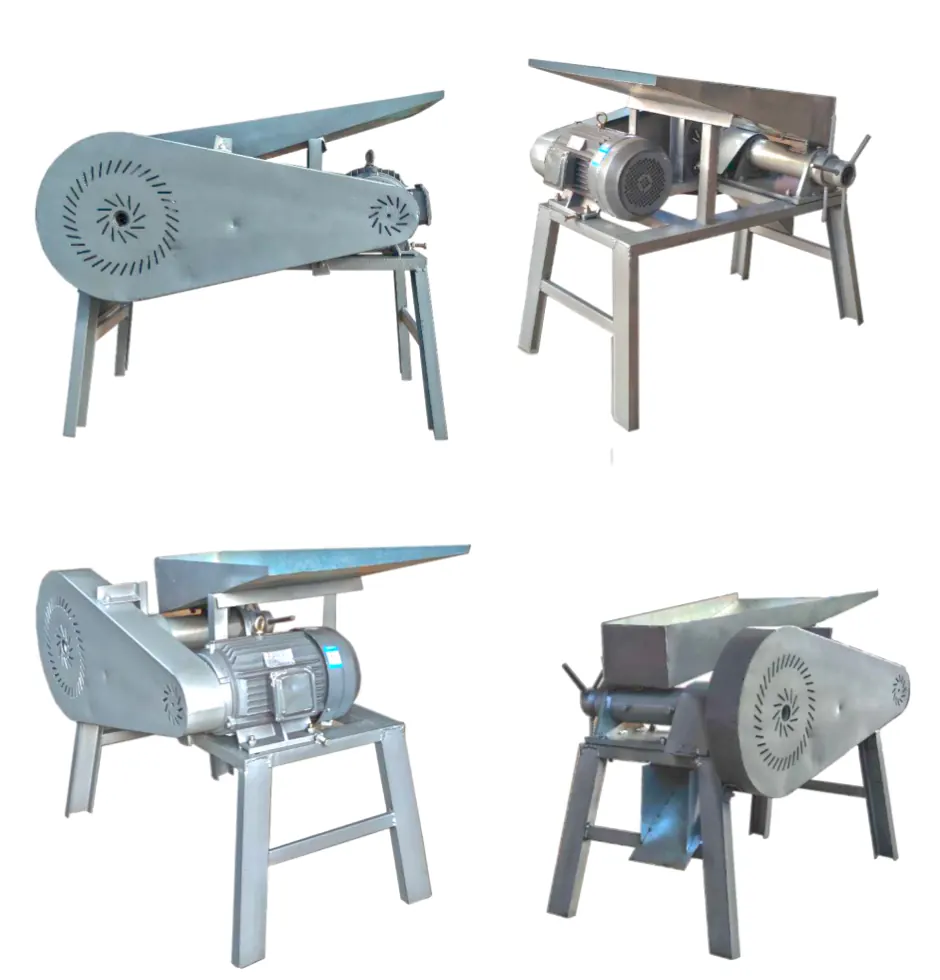
A screw (expeller) press uses a rotating screw shaft inside a barrel to continuously feed, compress, and squeeze oilseeds. The continuous operation makes it suitable for high-throughput, automated production lines.
Key principle: Rotating worm gear creates progressive compression → oil expelled through perforated barrel walls.
The biggest practical difference is not only the machine shape. It is the production rhythm. Hydraulic pressing works batch by batch, giving the operator more control over pressure, oil clarity, and heat exposure. Screw pressing works continuously, which is useful when the factory needs more tons per day.
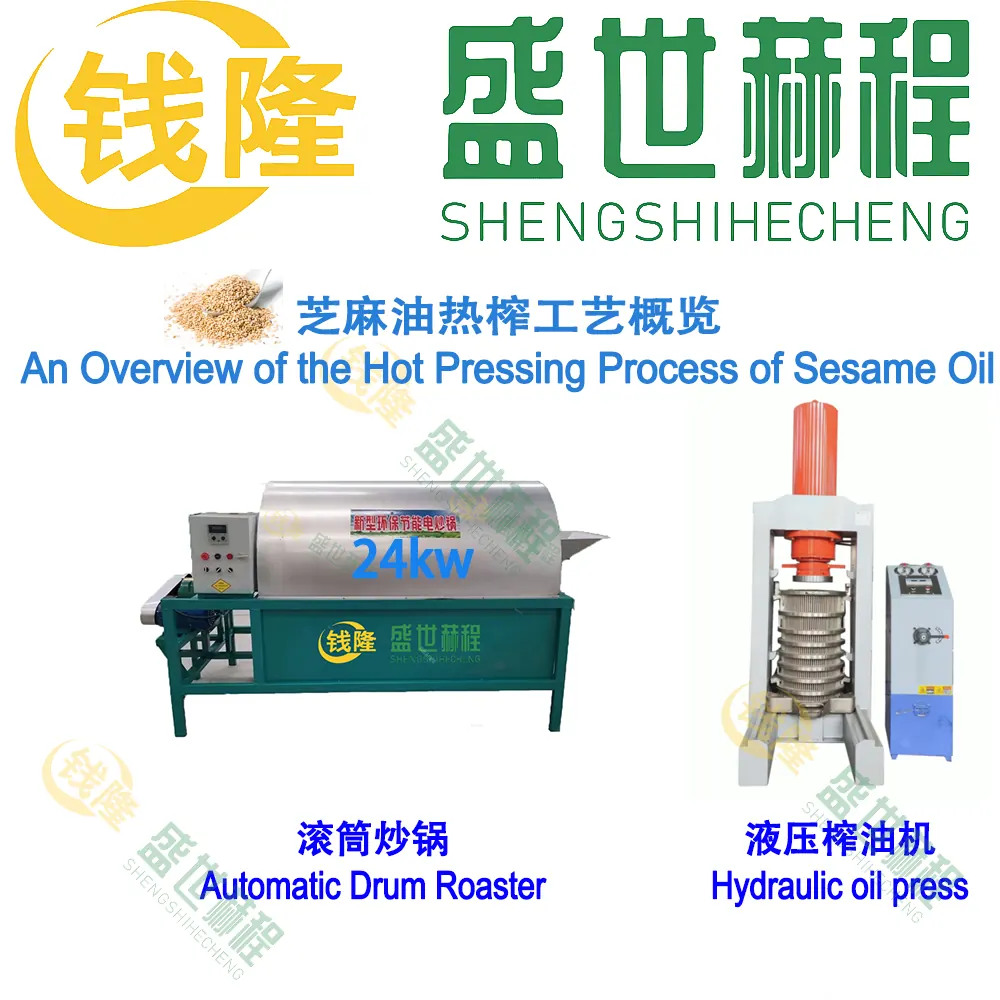
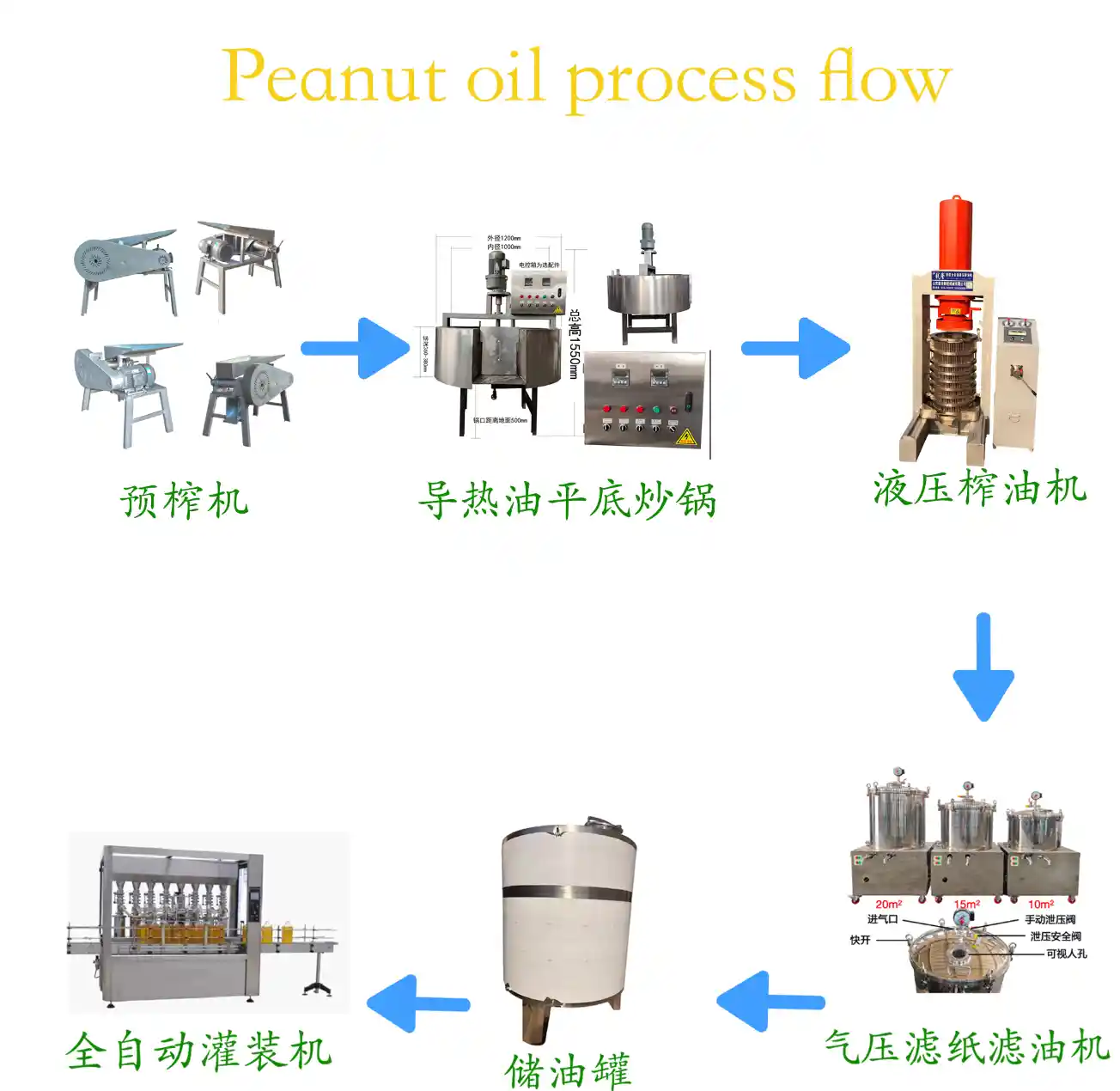
Cleaning, roasting or crushing, filling the press barrel, controlled pressing, filtration, then filling.
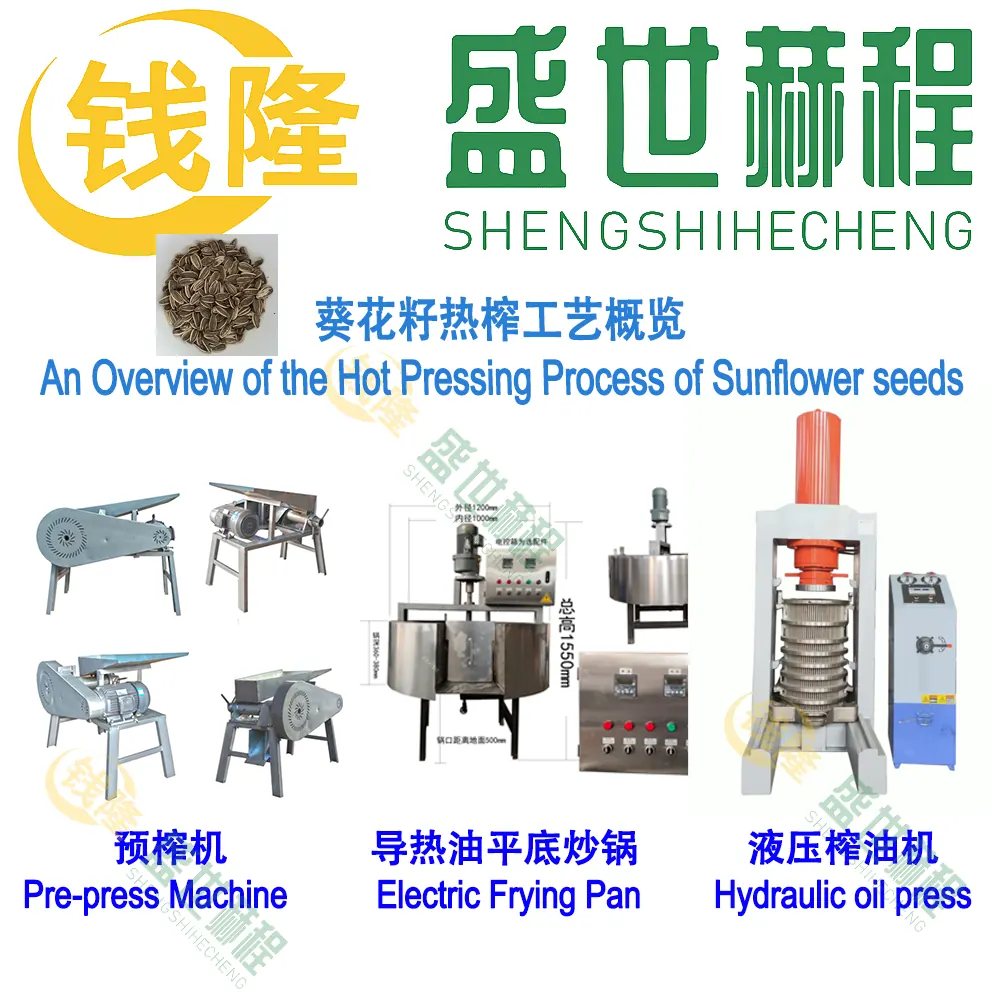
Cleaning, crushing, heating, continuous compression, crude oil filtration, and larger downstream handling.
| Feature | Hydraulic Oil Press | Screw Press |
|---|---|---|
| Oil Recovery | Must be measured in a controlled trial for the actual material and process | Must be measured under the same controlled conditions for a valid comparison |
| Oil Quality / Clarity | Measure oil temperature, clarity, oxidation indicators, and filtration endpoint on the actual route | Measure the same indicators under the comparison route |
| Production Rhythm | Batch cycle; record loading through cleaning | Continuous line rate; record starts, stops, and downstream constraints |
| Daily Capacity | Calculated by barrel size, batch load, cycle time, raw material, and working hours | Easier to scale by continuous feeding and line speed |
| Machine Cost | Compare the signed installed-scope quotation | Compare the signed installed-scope quotation |
| Operating Cost | Calculate from measured energy, labor, consumables, cleaning, and downtime | Calculate on the same basis |
| Maintenance | Confirm tasks, intervals, wear parts, labor, and lead times | Confirm on the same basis |
| Noise & Heat | Measure at the agreed operating point | Measure at the agreed operating point |
| Typical Project Fit | Batch hot-press or direct cold-press projects using the correct series | Continuous production projects after line validation |
| Raw Material Flexibility | Project-specific; verify the oilseed, preparation route, barrel, and trial result | Project-specific; often selected for standard continuous oilseed lines |
| Cold Pressing Route | Use 355-500 and verify the direct cold-press trial | Depends on screw configuration, temperature history, and product specification |
Evaluate 355-500 for walnut, flaxseed, pumpkin seed, grape seed, avocado, and other direct cold-press projects.
Better for large soybean, rapeseed, sunflower, and other continuous production projects.
Fewer wearing parts, lower noise, and simpler daily operation for small and medium workshops.
Continuous feeding makes more sense when the plant is designed around volume first.
There is no universal oil-recovery percentage for either press type. Results vary with the raw-material batch, laboratory oil content, moisture, particle size, pretreatment, temperature, machine configuration, pressure or screw settings, cycle time, and measurement method.
A valid comparison should use the same representative material and report weighed inputs, collected oil, cake residual oil, losses, repeated runs, and the laboratory method. It should also distinguish raw-material oil yield from recovery relative to the material's measured oil content.
Hydraulic pressing can provide controlled pressure and longer drainage time, while screw pressing provides continuous compression. Select the process for specialty oils only after a witnessed sample trial confirms the required oil quality, recovery, throughput, and operating conditions.
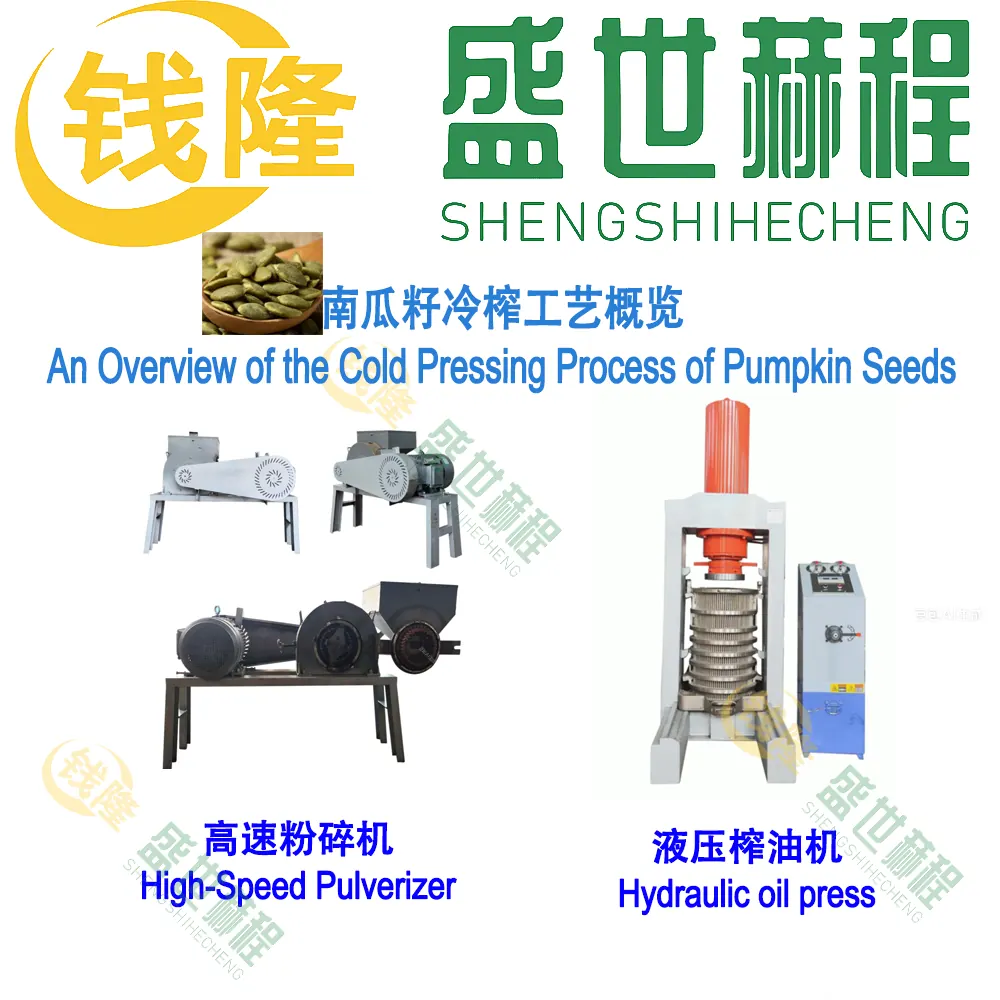
Because hydraulic pressing generates minimal heat (especially in cold pressing mode):
Screw presses generate friction heat (60–120°C), which can degrade heat-sensitive nutrients and alter flavor profiles.
For a hydraulic oil press, production capacity should not be read from the series number alone. The series mainly tells you the pressure level and structure. Real output depends on barrel diameter, usable batch load, pressing cycle, preparation speed, operator rhythm, and daily working hours.
| Capacity Factor | What It Means in Real Production |
|---|---|
| Pressing force / series | Affects pressure reserve, cake dryness, material suitability, and stability under harder oilseeds |
| Barrel size | Decides how much material can be loaded per batch |
| Usable batch load | Usually lower than theoretical maximum because material density and expansion differ |
| Cycle time | Includes filling, pressing, oil drainage, cake removal, and cleaning |
| Daily working hours | Converts batch output into actual daily processing capacity |
A simple planning formula is:
Daily processing capacity = usable batch load × batches per hour × working hours per day
For large edible oil factories requiring high continuous throughput, screw presses are usually more practical. For hydraulic projects, use 300/325 for hot pressing after cleaning, crushing, and roasting or heated conditioning; use 355-500 for direct cold pressing after cleaning, optional low-temperature drying, and crushing.
Choose a Hydraulic Oil Press if:
Choose a Screw Press if:
Many modern oil processing plants use both technologies:
Our engineering team can design a hybrid solution tailored to your production goals.
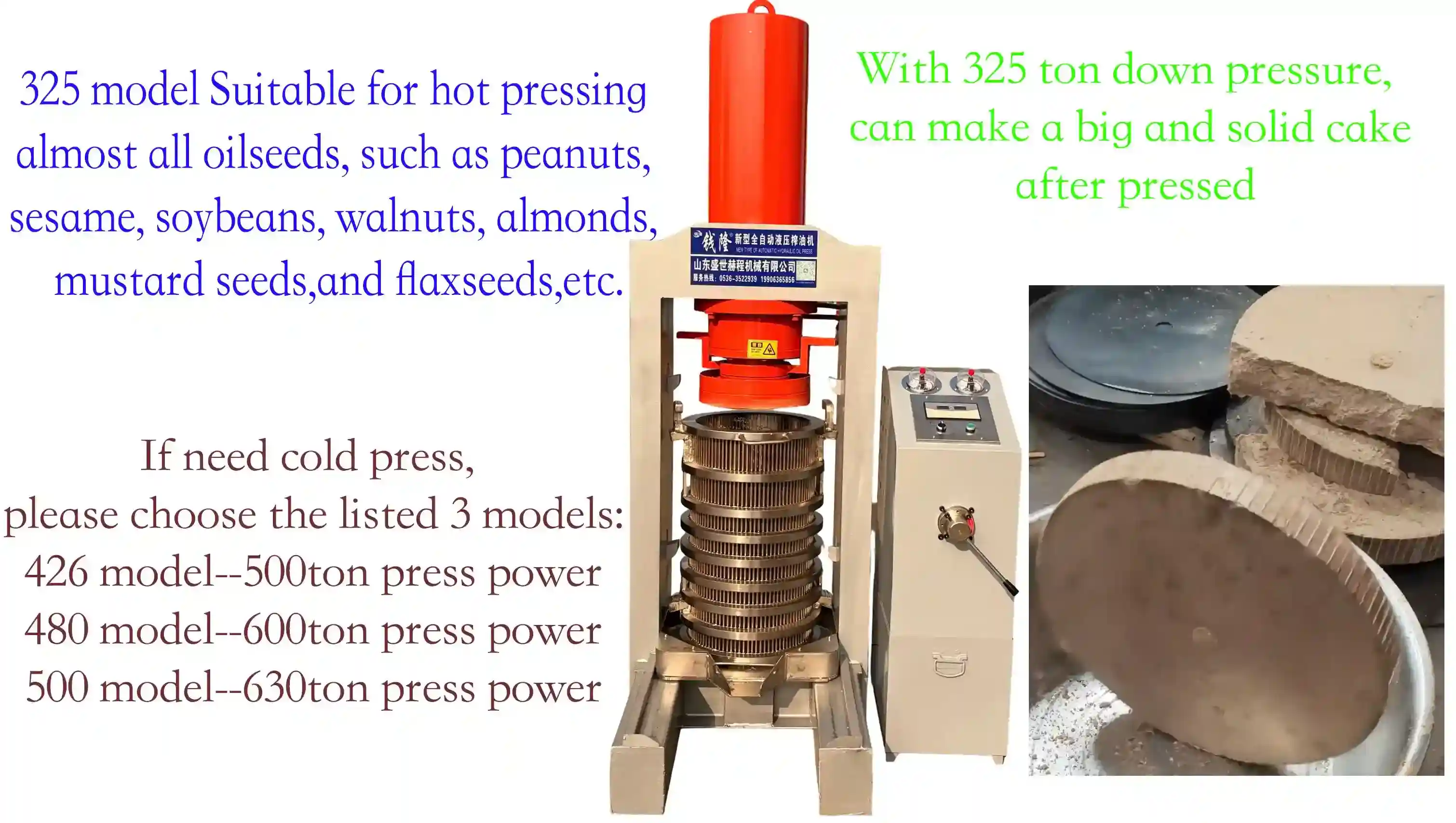
No. For 300/325, start from an edible-oil hot-press route such as peanut, sesame, rapeseed, sunflower seed, flaxseed, or tea seed and verify it by representative trial. For 355-500, start from a direct cold-press route. Soybean, oil sludge, waste bleaching earth, animal oil residues, and other non-standard materials require separate process, safety, legal, and commercial review.
No. Hydraulic describes the mechanism; cold or hot describes the process route. This product range positions 300/325 primarily for hot pressing and 355-500 for direct cold pressing. Do not assume that changing pretreatment makes every series interchangeable.
There is no fixed payback period. Build the model from the project's own raw-material cost and oil content, selling price, shift pattern, verified throughput, energy, labor, filtration, packaging, maintenance, taxes, working capital, financing, and downtime assumptions. Run sensitivity cases and update them with witnessed trial and operating data instead of using an anonymous customer average.
They should define the machine and barrel, process route, utilities, exclusions, buyer responsibilities, representative test material, instruments, tolerances, pass criteria, corrective responsibility, witnesses, and signatures. FAT confirms the agreed factory configuration and protocol. SAT is separate and begins after site utilities, operators, and representative buyer material are ready; neither test creates an unstated capacity, recovery, service, or schedule guarantee.
Recommended next step
Use the technical answer to compare models, production routes and delivered project cost.
Check hot-press, cold-press and small-shop models by batch capacity.
Open pageReview preparation and pressing routes for seeds, nuts and specialty materials.
Open pageMatch cleaning, crushing, roasting, pressing, filtering and filling equipment.
Open pageSend the material, target output and destination for a matched factory quote.
Request quote